Massage Manchester
Find Massages in Manchester & near you
Massage in Manchester reflects the pace and variety of the city itself. The centre has expanded well beyond its traditional commercial core, Salford Quays has become a major employment and residential district, and neighbourhoods such as Ancoats, Didsbury and Chorlton combine busy working lives with an increasingly active leisure and fitness culture.
That creates plenty of different reasons to book a treatment. Someone spending the week at a desk around Spinningfields may want firm work through the back and shoulders. A runner or regular gym user may be looking for support around training, while another client may want a quiet hour to relax without any particular physical complaint.
Professional massage therapists in Manchester offer options to suit those different needs, including private treatment rooms, massage centres, spas and mobile appointments across the city and surrounding Greater Manchester. Treatments range from traditional Swedish massage to more intensive deep-tissue work and other specialised techniques.
What Kind of Manchester Massage Are You Looking For?
Choosing by treatment name alone can be difficult, particularly if you have not had many massages before. The simplest starting point is often to think about how you want the session to feel.
If relaxation is the priority, a gentler full-body treatment may be appropriate. If you prefer considerably firmer pressure or want the therapist to spend more time on particular muscular areas, deep tissue may be more suitable. Active clients might be interested in sports-focused work, while other treatments offer completely different techniques and experiences.
Pressure is only one part of the decision. Session length, therapist experience and how much of the body you want treated also affect the appointment.
Manchester Massage Choices at a Glance
- For firmer pressure: Deep tissue massage is one of the city's commonly available options
- For relaxation: Swedish and relaxing massage provide gentler alternatives
- For active clients: Sports massage can be incorporated around training and exercise
- For a different technique: Thai and other traditional massage styles are also available
- Where to book: Treatment rooms, independent practices, massage centres, spas, homes and hotels
- Common durations: 30, 45, 60 and 90-minute appointments
Deep Tissue Massage: Manchester's Main Treatment Focus
Deep tissue massage is a natural fit for this page because it is widely associated with clients looking for more focused, firmer massage rather than a purely gentle relaxation session.
The treatment commonly uses slower movements and stronger pressure to work with deeper layers of muscle and surrounding tissue. A therapist may spend considerably more time on one area, such as the upper back, shoulders, hips, or legs, rather than following the same sequence across the entire body.
Clients looking specifically for this type of session can compare practitioners offering deep tissue massage with firm, focused pressure and check how each therapist describes their approach before booking.
Deep tissue should not simply mean applying the greatest possible pressure. A professional therapist should adjust the intensity according to the client, area being treated and individual comfort.
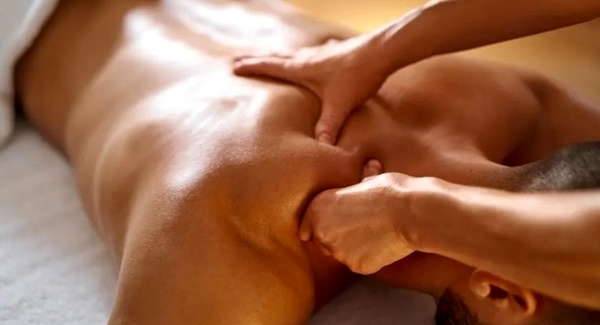
If a client has persistent or unexplained pain, massage should not be used as a substitute for appropriate assessment. It is particularly important to mention recent injuries, surgery and other relevant health issues before firm treatment begins.
Manchester's Working Day Creates Different Massage Needs
The modern Manchester economy includes large numbers of people working in offices, digital businesses, media, hospitality, healthcare, retail and other service industries alongside more physically demanding occupations.
That means the reasons people book massage can be completely different even when they work only a few streets apart.
Desk Work and Long Hours Sitting
Spending much of the day using a laptop or desktop computer can leave people feeling stiff through the shoulders and upper body. Commuting can further increase the time spent sitting.
Someone booking because of everyday desk-related tightness may prefer a therapist to concentrate on two or three areas instead of trying to fit a complete full-body treatment into a short session.
Massage can be one element of general wellbeing, but movement during the day, breaks from prolonged sitting and sensible workstation arrangements also matter.
Media, Technology and Creative Work
Manchester and neighbouring Salford have substantial media, digital and creative employment, including around MediaCity and the city centre.
These roles can involve long periods at screens, project deadlines and irregular working patterns. A convenient appointment near work, or a treatment at home afterwards, can be more appealing than travelling across Greater Manchester solely for a massage.
Jobs That Keep You on Your Feet
Hospitality, healthcare, retail and other occupations can involve spending much of the working day standing or moving around.
Clients in these jobs may have different priorities from desk workers. Tired legs and feet can be more relevant than the shoulders, for example, which is why explaining your working routine can help the therapist understand what you want from the session.
Four Treatments That Offer Very Different Experiences
Deep tissue is only one part of Manchester's massage market. Mixing contrasting treatments gives clients a clearer sense of the available range, rather than presenting every option as a variation of the same thing.
Sports Massage
Manchester's large fitness and sporting community makes sports massage for runners, gym users and active clients a useful alternative for people who want treatment connected with exercise and training.
Thai Massage
Clients looking for something different from a conventional oil massage may prefer Thai massage combining pressure and assisted stretching, depending on the style offered by the individual practitioner.
Hot Stone Massage
For a contrasting experience, hot stone massage using heated stones alongside massage techniques may appeal to clients looking for a slower, warming treatment.
Foot Massage
People who spend much of the day walking or standing may prefer a focused foot massage instead of a full-body session, particularly when the legs and feet are the main reason for booking.
Swedish, relaxing, aromatherapy, full body massage and other treatments are also available around Manchester. There is no benefit in choosing a specialist technique simply because it sounds more advanced. The right choice is the one that best matches what you want from the appointment.
Massage Around Manchester's Different Districts
Location can shape the booking experience because Manchester is not limited to one compact treatment area. Therapists work throughout the centre and surrounding neighbourhoods, and Greater Manchester considerably extends the potential search area.
Spinningfields, Deansgate and the Commercial Centre
For people working in Manchester's central business districts, an appointment close to the office can fit more easily into the working day.
Spinningfields, Deansgate and neighbouring streets provide quick access to large parts of the centre. An after-work appointment here may be preferable to travelling home and then making a separate journey later.
Northern Quarter and Ancoats
The Northern Quarter and Ancoats combine residential developments with independent businesses, restaurants and creative industries.
People living centrally may prioritise somewhere they can reach on foot, particularly when booking massage regularly. This can make an independent neighbourhood therapist just as practical as a larger central venue.
Salford Quays and MediaCity
Salford Quays operates almost as a second business and residential hub immediately west of central Manchester. Thousands of people work or live around MediaCity and neighbouring developments.
A therapist in this part of the conurbation may be more convenient for Salford residents and workers than somebody on the opposite side of Manchester.
Didsbury, Chorlton and South Manchester
South Manchester neighbourhoods such as Didsbury, Chorlton and Withington have large residential populations and their own independent wellness businesses.
Clients who have already travelled home after work may prefer a local appointment rather than returning to the city centre. This becomes particularly relevant when massage is part of a regular routine rather than an occasional booking.
Manchester's Sporting Side and Massage
Football may dominate Manchester's international sporting identity, but local activity extends much further. Running, cycling, swimming, gym training and amateur team sports all have substantial followings.
People who exercise regularly may book a massage between training sessions or after periods of particularly demanding activity. The treatment does not need to be reserved for competitive athletes.
Tell the therapist what sort of exercise you do, how often you train and whether anything currently feels unusually sore. That information is more useful than simply asking for the hardest sports massage available.
Massage is not a replacement for diagnosis or rehabilitation of an injury. If there has been a significant injury, sudden pain or persistent problem, appropriate medical or physiotherapy advice may be necessary.
Students and Massage in Manchester
Manchester has one of the UK's most prominent student populations, particularly around the University of Manchester and Manchester Metropolitan University.
Study often involves extended periods of sitting, laptop use and intensive work around deadlines. Students may therefore be interested in shorter treatments concentrated on areas such as the back or shoulders rather than always booking an hour or more.
Price can naturally matter. Some therapists may offer concessions, packages or occasional promotions, but there is no universal Manchester student rate. Always check the current price with the individual practitioner.
If budget is limited, a focused shorter session can sometimes make more sense than choosing the cheapest long appointment available.
Would You Rather Have the Therapist Come to You?
One practical difference between massage providers is whether the client travels to the therapist or the therapist travels to the client.
People who prefer the second option can look for mobile massage therapists visiting Manchester homes and hotels. Coverage varies, particularly once appointments extend beyond the central districts.
Mobile massage can work well for people working from home, clients who have already completed a long commute or visitors who would rather stay at their hotel after a busy day.
Useful information for a Manchester home visit
- Provide the full postcode before agreeing the appointment.
- Ask whether travel costs are included.
- Check whether the therapist brings a treatment table.
- Make suitable space available before arrival.
- Mention parking restrictions or difficult building access.
- For apartments, provide concierge or entry instructions where needed.
Greater Manchester is extensive, so a practitioner who works in Manchester may not necessarily cover Bolton, Stockport, Rochdale, Oldham or every Trafford and Salford postcode. Confirm coverage rather than assuming.
When a Massage Centre or Spa Is the Better Choice
There are also plenty of reasons to leave home for an appointment.
A dedicated massage room separates the treatment from everyday surroundings, while a larger spa can offer additional facilities before or after the massage. Hotel spas may appeal to visitors or people looking for a longer leisure experience.
Massages Me also allows clients to look for massage centres and spa treatments around Manchester when a venue-based experience is more important than mobile convenience.
Compare exactly what is included. A higher spa price can cover the setting and facilities as well as the massage, while an independent therapist may provide a more straightforward treatment without those extras.
How Long Does a Manchester Massage Need to Be?
The most appropriate session length depends on what you expect the therapist to cover.
A half-hour appointment can make sense when the aim is to concentrate on a small area. Trying to fit an unhurried full-body massage into the same period is much more difficult.
- 30 minutes: Good for targeted treatment of limited areas.
- 45 minutes: Offers more scope while retaining a clear focus.
- 60 minutes: A common length for general massage.
- 90 minutes: Allows the therapist to work more slowly or cover several areas in greater detail.
- 120 minutes: Offered by some practitioners for particularly extended treatments.
For deep tissue massage, additional time does not necessarily mean additional pressure. It can simply give the therapist longer to work methodically without rushing.
What Should You Expect to Pay for Massage in Manchester?
Manchester massage prices vary too much to present one figure as a meaningful city-wide rate.
An independent neighbourhood therapist, city-centre practice, specialist practitioner, mobile service and luxury hotel spa can all charge very different amounts for an appointment of the same length.
What usually influences the cost?
- Session duration
- Massage style or specialist treatment
- Practitioner training and experience
- City-centre or neighbourhood location
- Type of treatment venue
- Distance travelled for a mobile booking
- Additional spa facilities or services
Compare the complete booking rather than price alone. A cheaper session is not necessarily better value if the treatment does not match what you want, just as a premium venue does not guarantee that its massage style will suit you.
Massage for Visitors Staying in Manchester
Manchester receives visitors for football, concerts, conferences, shopping, business and weekend breaks throughout the year.
If you are staying centrally for a limited period, proximity can matter more than it does for a resident. A therapist in or around Piccadilly, Deansgate, or another central location may be easier to fit into an existing itinerary.
Hotel massage is another possibility where mobile therapists allow it. Always check hotel visitor arrangements before making a booking, as different properties have different access policies.
Providing the therapist with the complete hotel name and postcode also reduces the risk of confusion, particularly where hotel groups operate more than one Manchester property.
Searching for a Therapist Rather Than Just a Treatment
Once you know roughly what you want, the individual therapist becomes more important than the treatment label.
Massages Me lets clients browse massage therapists across Manchester and nearby areas and compare the services described on their profiles.
Look beyond the photograph or nearest postcode. Read what the practitioner actually offers and whether their approach fits your preferences.
Before confirming a Manchester massage
- Treatment: Is the massage style you want clearly listed?
- Pressure: Does the therapist provide the type of treatment you prefer?
- Experience: Do they have relevant training for specialist techniques?
- Location: Is the appointment convenient to reach?
- Mobile area: If they travel, does your postcode fall within their coverage?
- Price: Is the complete charge clear?
- Session length: Is there enough time for what you want treated?
- Availability: Do their working hours fit your schedule?
Health Information Worth Mentioning Before Massage
A therapist needs to know about relevant circumstances before deciding how to approach a treatment.
Recent injury or surgery, significant bruising, unexplained swelling, fever, infection, pregnancy and certain medical conditions may require the session to be adapted or postponed.
Clients considering deep tissue massage should be especially clear about injuries and areas of unexplained pain before asking for firm work.
Massage therapists should work within their qualifications. Severe pain, neurological symptoms, suspected injury and persistent unexplained problems need appropriate healthcare assessment rather than repeated massage without diagnosis.
Getting More From the Session
You do not need specialist knowledge to communicate effectively with a massage therapist. Explain what you want in ordinary terms.
If your shoulders feel tight after work, say so. If your legs are tired after training, tell the therapist. If you mainly want to relax and do not want strong pressure, make that clear as well.
During the appointment, speak up when pressure feels excessive or when you would prefer more attention somewhere. Massage does not need to hurt to be worthwhile.
For mobile appointments, having the treatment space ready before the therapist arrives also means less of the booking is spent moving furniture or dealing with access.
A Manchester Massage Should Fit the Client, Not a Template
Manchester has enough choice that two people searching for massage in the same postcode can end up booking completely different appointments.
A runner may prioritise sports massage experience. Someone spending all week at a computer may want firm work around the upper body. A visitor staying near Deansgate may care most about convenience, while a South Manchester resident might value having a good local therapist they can return to regularly.
Deep tissue gives Manchester this page's main treatment focus, but it is only one of many possibilities. The useful approach is to decide what you want the session to achieve, compare suitable therapists and choose the combination of treatment, location, pressure and duration that makes sense for you.
Nearby locations
Ancoats, Hulme, University, St George's, Brunswick, Ordsall, Strangeways, Ardwick, Moss Side, Cheetham Hill, Wallness, New Windsor, Infirmary, Lower Broughton, Collyhurst, Miles Platting, Bradford, Beswick, The Cliff, West Gorton
Types of Massage
Thai Massage, Myofascial Release, Shiatsu Massage, Trigger Point Therapy, Reflexology, Deep Tissue Massage
Relaxing Massage Treatments In West Kirby...
Mobile Male Massage Therapist In Coventry & Warwickshire...
Swedish And Relaxing Massage In Middlesbrough & Stockton...
Search all near Manchester
Advertise with Massages Me and Grow Your Business!
We are the leading massage platform for massage therapists in London and across the UK covering all of England, Scotland, Wales and Northern Ireland. Our aim is to promote individual therapists and venues in the UK, and help professional and casual body workers providing therapeutic and relaxing massages to expand their businesses and build desirable client base.
We provide a friendly and reliable online advertising platform for qualified Masseuses, students, and salons to connect with potential clients looking for relaxing and therapeutic massages - onsite and offsite mobile services across the UK.
Are you looking to meet more customers? Get your profile listed and start getting bookings today!