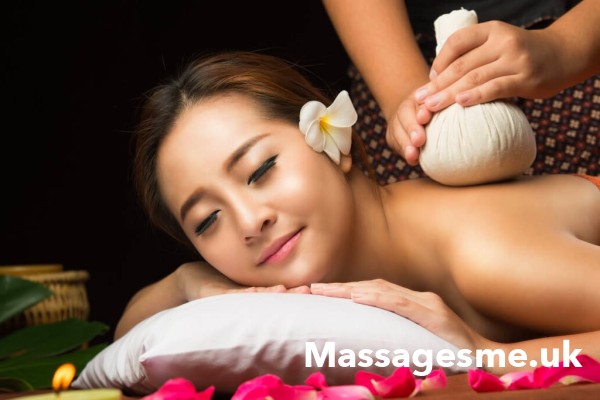
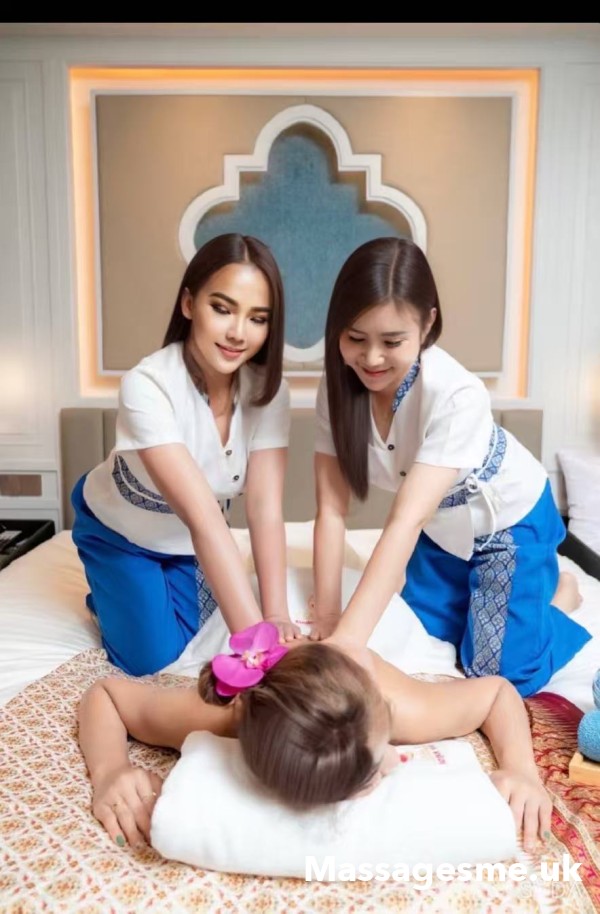
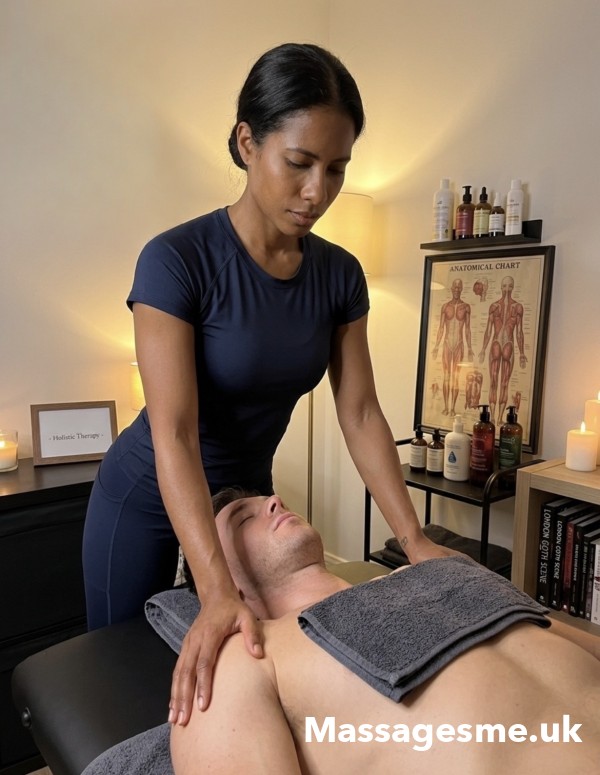
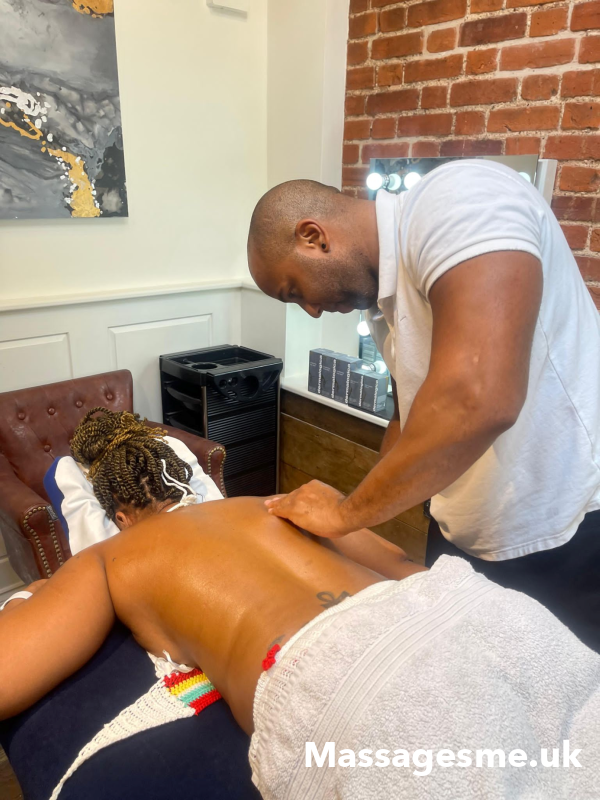
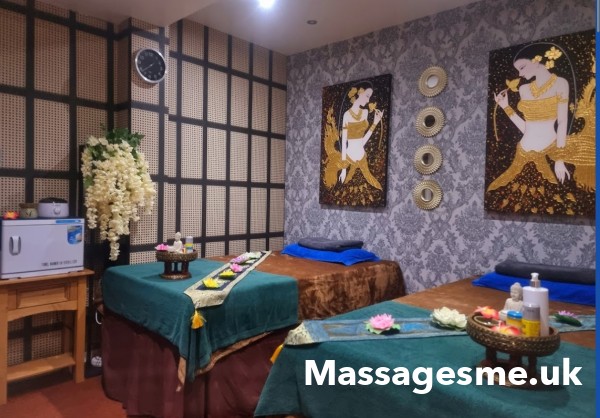
Thai massage is a traditional form of Thai bodywork combining rhythmic pressure, compression, assisted stretching and guided movement. Unlike most Western oil massages, traditional Thai massage is usually performed fully clothed on a padded mat, allowing the therapist to move the arms, legs and body through a wider range of positions.
The treatment can feel quite different from Swedish or deep tissue massage. Instead of long oil-based strokes, the practitioner may use the palms, thumbs, forearms or other appropriately controlled techniques before moving into assisted stretches. Sessions can range from gentle and relaxing to physically engaging, so pressure and stretching should always be adapted to the individual.
Traditional Thai practice also uses the concept of Sen lines, pathways understood within Thai medicine as part of the body's energetic system. These ideas are culturally important to Nuad Thai, but they represent a traditional therapeutic framework rather than proven anatomical structures.
On This Page
What Is Traditional Thai Massage?
Traditional Thai massage, commonly known as Nuad Thai, is a distinctive form of manual bodywork associated with traditional Thai healthcare. The practitioner combines sustained pressure, rhythmic compression and assisted movement rather than relying primarily on rubbing or gliding across the skin.
Because the client normally remains clothed, massage oil is not required. Loose clothing and a floor-based setup give the practitioner greater freedom to move the legs, hips, arms and shoulders through comfortable stretches.
The result can feel somewhere between massage, assisted stretching and pressure-based bodywork. This does not mean Thai massage is "yoga performed by another person". Massage pressure and traditional Thai techniques remain an important part of the treatment.
Nuad Thai Has Recognised Cultural Importance
Traditional Thai massage forms part of Thailand's wider healing heritage and was added to UNESCO's Representative List of the Intangible Cultural Heritage of Humanity in 2019. Modern treatments outside Thailand can vary considerably, so not every service advertised as Thai massage follows the same tradition or sequence.
Where Does Thai Massage Come From?
Thai massage developed through centuries of Thai medical and cultural practice, with influences commonly associated with regional medicine, Buddhist traditions and ideas that also appear within Indian and other Asian systems of healing.
Traditional accounts often connect Thai medicine with Jivaka Komarabhacca, a physician associated with Buddhist tradition. It is more accurate, however, to understand modern Nuad Thai as a practice that developed over generations rather than as one unchanged 2,500-year-old routine invented by a single individual.
Temple traditions, family knowledge, formal schools and professional Thai medicine have all contributed to the way Thai massage is practised today.
What Are Sen Lines in Thai Massage?
Sen lines are part of the traditional theoretical framework of Thai massage. Practitioners may apply pressure along these pathways to organise treatment across different parts of the body.
Within traditional Thai explanations, restricted or disturbed flow along Sen lines may be associated with physical imbalance. That language belongs to the traditional medical system and should not be confused with established nerves, arteries, veins or other anatomical structures.
A therapist can respect the cultural framework of Thai massage without claiming that Sen lines can be medically scanned, physically unblocked or used to diagnose disease.
Traditional Thai Massage and Thai Yoga Massage
The terms overlap considerably. "Thai yoga massage" is often used outside Thailand to emphasise the assisted stretching element of Thai bodywork, sometimes described informally as passive or assisted yoga.
Traditional Nuad Thai can already include substantial stretching, so Thai yoga massage is not necessarily a completely separate treatment. The difference often depends more on the individual practitioner and how heavily they emphasise large assisted movements.
Thai Massage Techniques and Stretching
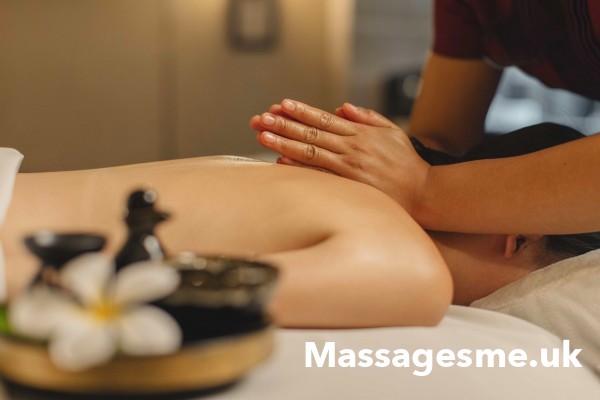
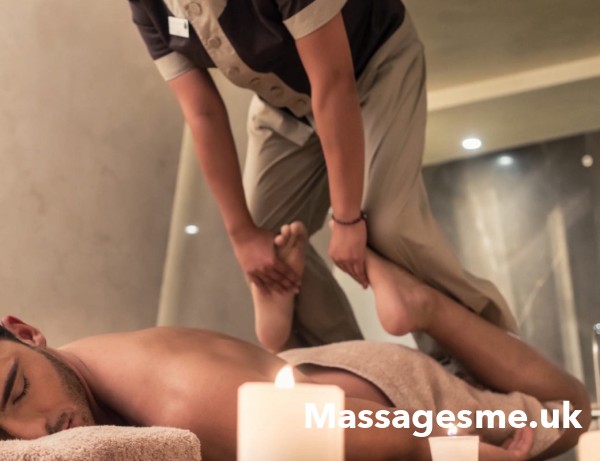
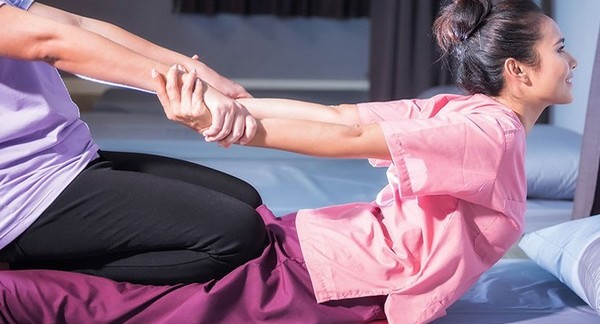
Thai massage is more movement-based than many massage styles. A practitioner can work with the client in several positions while changing between broad compression, more focused pressure and assisted stretches.
Palm Compression
Broad pressure through the palms can be applied rhythmically along larger muscular areas such as the thighs, back and shoulders.
Thumb Pressure
More focused thumb pressure may be used along selected areas, including points associated with traditional Sen-line treatment.
Assisted Stretching
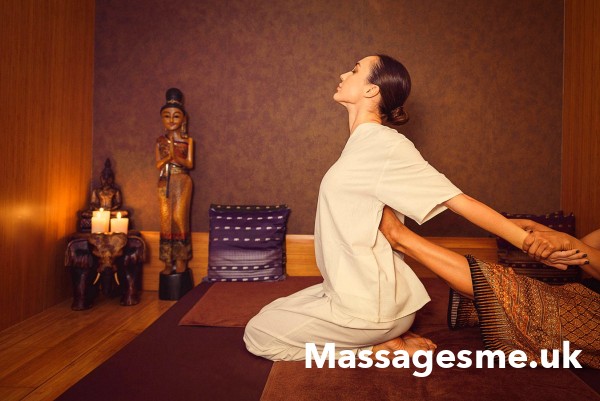
The therapist guides the limbs or body through controlled stretches while the client remains passive and communicates about comfort.
Rhythmic Movement
Gentle rocking and repeated movement can connect pressure techniques and make the treatment feel more continuous.
Forearm and Elbow Pressure
A practitioner may use the forearms or elbows where broader or firmer pressure is appropriate. These techniques can distribute body weight efficiently, but they should never be used to make the treatment as intense as possible.
Leg and Hip Stretches
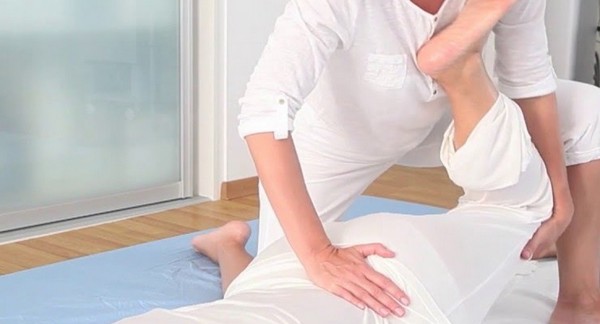
Thai massage is particularly well known for movements involving the legs and hips. These can include comfortable hamstring stretches, hip movements, and controlled rotations, depending on the client's mobility.
Shoulder and Upper-Body Movement
The arms and shoulders may be moved into different positions while the practitioner combines pressure with gentle stretching. This can make Thai massage appealing to clients who enjoy a more active treatment than an ordinary table massage.
Seated Techniques
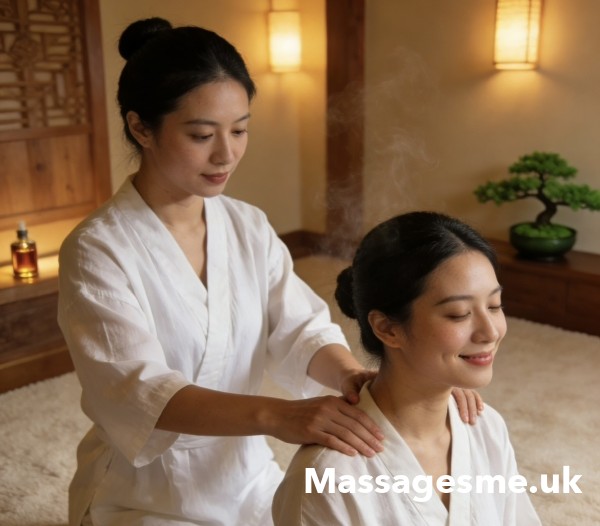
Some sessions finish in a seated position with pressure or stretching around the shoulders, upper back, neck or scalp. The exact sequence varies between practitioners.
What Happens During a Thai Massage?
A professional appointment should begin with a discussion about injuries, movement limitations, health conditions, and how much pressure or stretching you are comfortable with. This is particularly important because Thai massage can move joints and limbs through a greater range than many other massage styles.
You Normally Stay Fully Clothed
Wear loose, comfortable clothing that allows the hips, knees, shoulders and arms to move easily. Some Thai massage centres provide suitable clothing for the session.
Treatment Usually Starts on a Mat
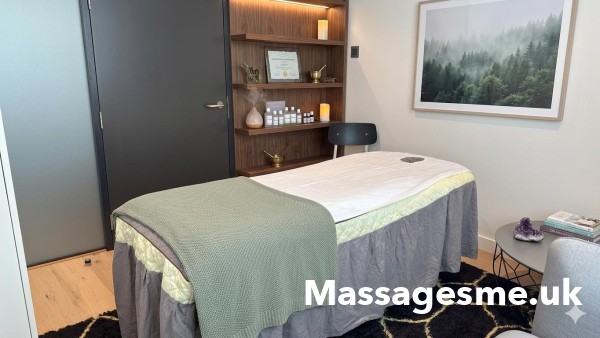
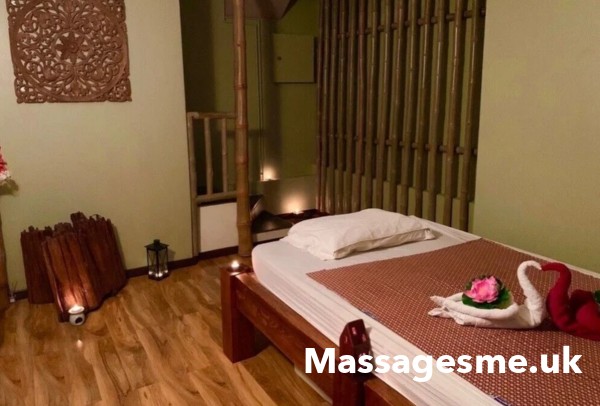
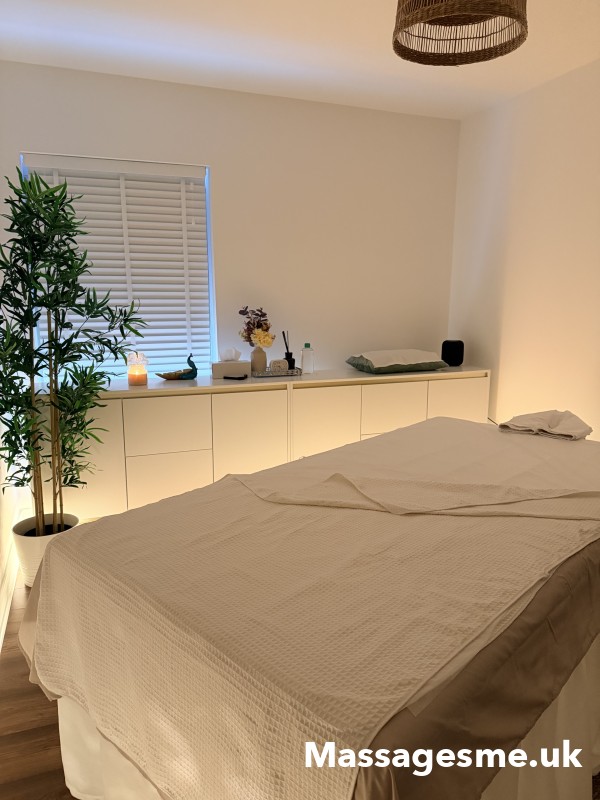
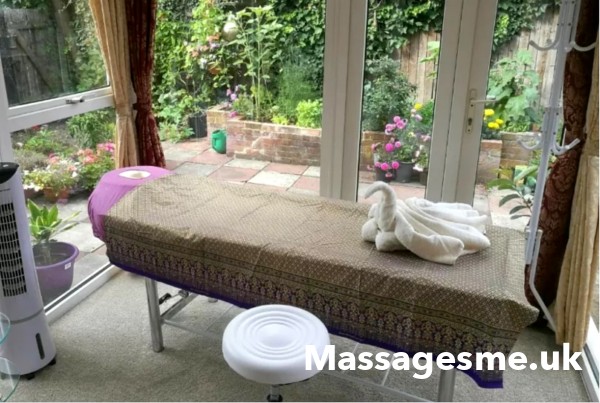
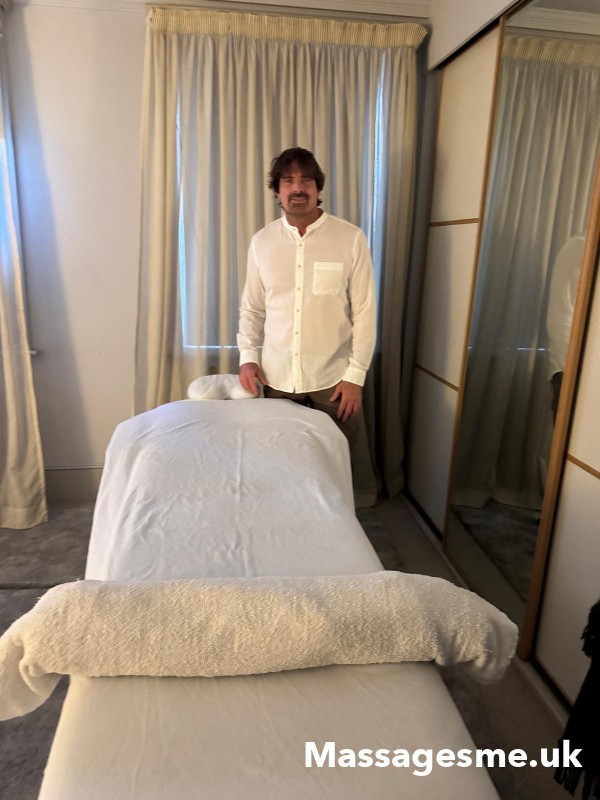
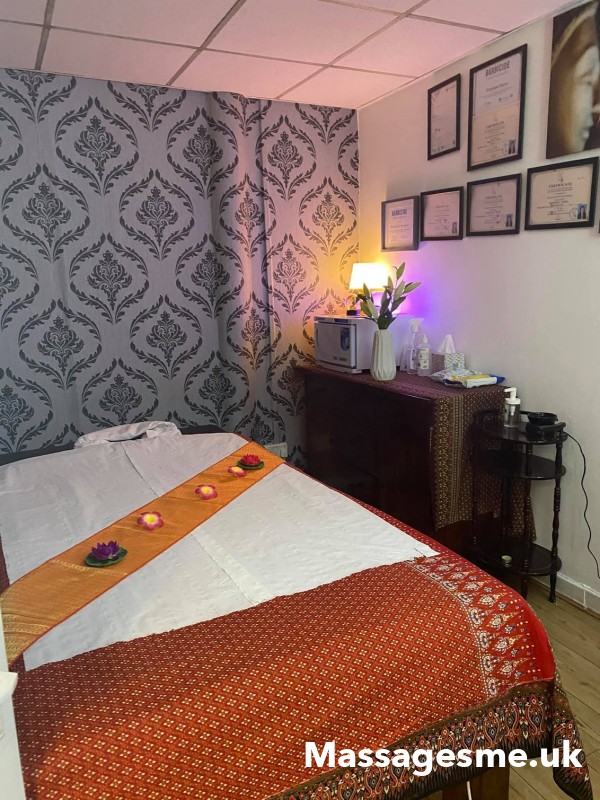
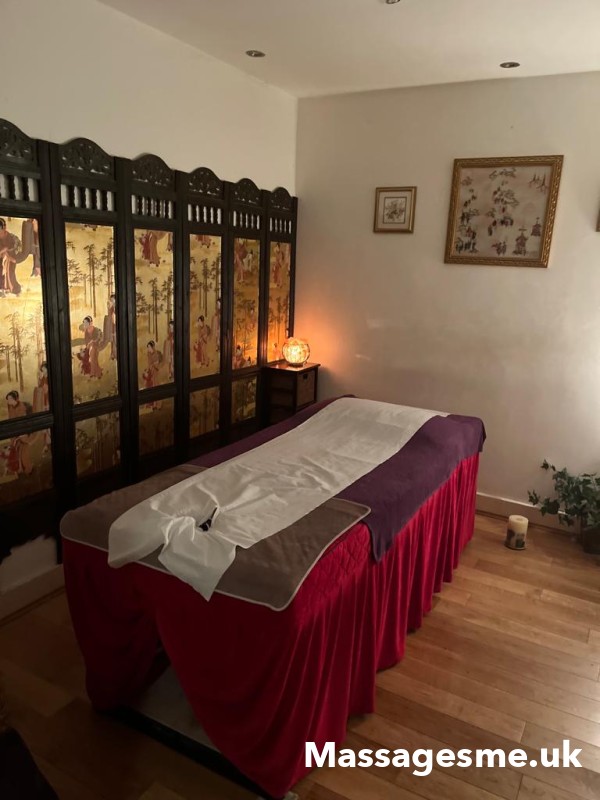
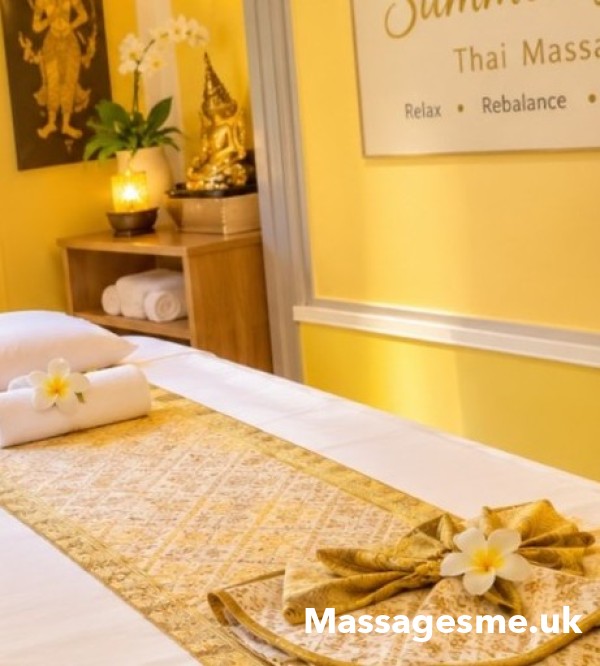
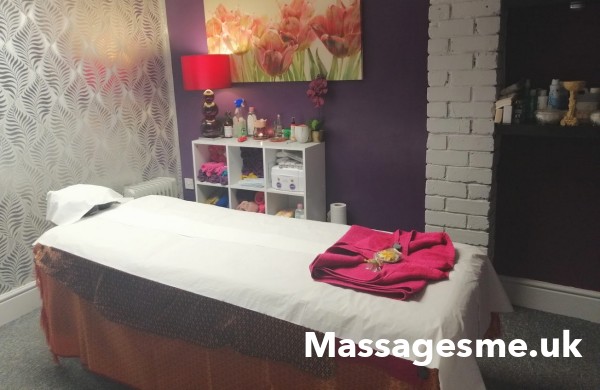
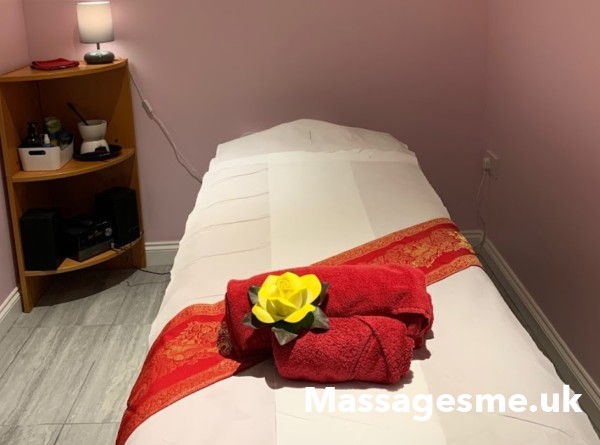
Traditional sessions commonly take place on a padded mat or firm mattress on the floor. Some UK practitioners use a wide massage table or another adapted surface, especially when getting down to floor level would be difficult for the client.
The Therapist Moves Around You
You may be treated lying face up, on either side, face down and sometimes seated. Moving between these positions allows different muscles and joints to be approached without relying on oil-based strokes.
Pressure and Stretching Should Be Adjustable
Thai massage should not feel like someone forcing you into the deepest possible stretch. Your natural flexibility, previous injuries and comfort should determine how far each movement goes.
How Long Does Thai Massage Last?
Many appointments last around 60 or 90 minutes, while traditional full treatments may be longer. A shorter session can focus on selected areas, but the movement-based nature of Thai massage often benefits from enough time to work through several body positions without rushing.
Why Do People Choose Thai Massage?
Thai massage is often chosen because it combines hands-on pressure with substantially more movement than most conventional massage styles. Clients who dislike lying still for a complete oil massage may enjoy the changing positions and assisted stretches.
You may particularly like Thai massage if you:
- enjoy assisted stretching;
- prefer massage while remaining fully clothed;
- do not want massage oils or lotions;
- like pressure combined with movement;
- want something more physically engaging than relaxation massage;
- are interested in traditional Thai bodywork;
- want treatment that can include the whole body without following a Western massage routine.
Thai Massage, Flexibility and Mobility
Stretching is one of the defining characteristics of Thai massage, so it is reasonable that many clients choose it because they enjoy moving through a comfortable range of motion during treatment.
Some research has reported short-term improvements in movement or flexibility in specific groups, but this does not mean Thai massage permanently increases flexibility by a fixed percentage. Long-term mobility also depends on movement habits, strength, physical activity, injury history and many other factors.
The therapist should therefore work within your existing range rather than forcing a stretch because greater range is assumed to be automatically healthier.
Thai Massage for Back and Shoulder Tension
Thai massage may include compression around the back, shoulders and hips together with movement of the limbs and torso. Some people find this combination comfortable when they feel stiff from prolonged sitting, travel or everyday activity.
Research into Thai massage for musculoskeletal pain has produced some encouraging results, including studies of nonspecific lower-back pain, but findings from limited studies should not be turned into a guarantee that Thai massage treats every cause of back pain.
Severe, persistent or unexplained pain, weakness, numbness or other neurological symptoms deserve appropriate assessment rather than progressively stronger massage or stretching.
Does Thai Massage Have to Be Painful?
No. Thai massage can feel firm, and some stretches may create noticeable tension, but the client should still be able to relax and communicate comfortably.
Sharp pain, joint pain, numbness, electric sensations or feeling that a limb is being forced beyond its natural range are reasons to stop or modify the technique.
The idea that a painful stretch is breaking through an energy blockage should never override basic safety or client feedback.
Thai Massage Compared With Other Treatments
Thai Massage vs Shiatsu
Thai massage and Shiatsu are both usually performed clothed and can combine pressure with body movement. Their emphasis is different, however.
Thai massage generally uses more extensive assisted stretching and larger movements of the hips, legs and torso. Japanese Shiatsu massage uses sustained finger and palm pressure with more moderate stretching and follows its own traditional meridian framework.
Thai Massage vs Acupressure
Acupressure and Thai massage both use pressure-based techniques influenced by traditional Asian therapeutic systems, but acupressure is more directly organised around specific acupoints.
Acupressure massage using focused manual pressure points involves less of the large-scale assisted stretching that makes Thai massage distinctive.
Thai Massage vs Swedish Massage
These treatments create almost opposite physical experiences. Swedish massage is usually performed on a table with oil and uses long gliding and kneading movements directly on the skin.
Thai massage normally keeps the client clothed and relies much more heavily on pressure, compression and movement. If you want a flowing oil-based massage with less stretching, classic Swedish massage with adaptable full-body pressure may be the better option.
Thai Massage vs Deep Tissue Massage
Both treatments can feel firm, but Thai massage uses pressure alongside stretching and body positioning. Deep tissue massage typically focuses more directly on muscle areas, using slower, targeted pressure.
If your priority is concentrated firm massage rather than assisted movement, deep tissue treatment may provide a closer match.
Thai Massage vs Sports Massage
Sports massage is organised around training, exercise and the particular muscles used in a person's activity. Thai massage comes from a traditional bodywork system and is not inherently sports-specific.
Active clients may enjoy the stretching element of Thai massage, but someone dealing with a sporting injury or training-related issue may prefer a therapist specifically trained in sports massage or rehabilitation.
Traditional Thai Massage vs Thai Oil Massage
This distinction is particularly useful when looking at treatment menus.
Traditional Thai massage is usually clothed, oil free and movement based. Thai oil massage is generally performed directly on the skin with massage oil and often combines Thai influences with more familiar gliding massage techniques.
If you specifically want extensive assisted stretching, confirm that you are booking traditional Thai massage rather than assuming every treatment carrying the word "Thai" uses the same approach.
Is Thai Massage Safe?
Thai massage can involve substantial joint movement and pressure, so a therapist needs to know about injuries and health conditions before beginning. A treatment should be adapted rather than forcing every client through a standard sequence.
Tell the Therapist Before Treatment If You Have:
- a recent fracture, sprain or muscle injury;
- recent surgery or an area that is still healing;
- significant osteoporosis or bone fragility;
- a joint replacement or significant joint instability;
- a known or suspected blood clot;
- acute infection, fever or illness;
- persistent neurological symptoms such as weakness or numbness;
- pregnancy or possible pregnancy;
- another condition that may make strong pressure or assisted stretching unsuitable.
Massage should not be used to stretch through an acute injury or force a painful joint into greater movement.
Thai Massage During Pregnancy
Pregnancy does not automatically make all massage impossible, but a standard Thai massage routine may require substantial modification because of its stretches, pressure and positioning.
A therapist working with pregnant clients should understand prenatal positioning and know which techniques need to be changed or omitted. As pregnancy progresses, aggressive stretches and prolonged positions may be uncomfortable or inappropriate.
If you specifically want massage while pregnant, professional pregnancy massage adapted for prenatal comfort and positioning is generally a clearer treatment category.
A complicated or high-risk pregnancy should be discussed with the maternity team before booking complementary bodywork.
What Should You Wear for Thai Massage?
Loose clothing is one of the simplest ways to make the treatment more comfortable.
- Choose flexible trousers, leggings or tracksuit bottoms.
- Wear a loose T-shirt or other comfortable top.
- Avoid restrictive jeans and heavy belts.
- Choose clothing that allows comfortable hip and shoulder movement.
- Ask whether the venue provides Thai massage clothing.
You normally remain dressed throughout traditional Thai massage, so professional draping is generally less central than it is during an oil-based table treatment.
How Often Should You Have Thai Massage?
There is no standard frequency that everyone should follow. Some people book Thai massages occasionally because they enjoy the stretching and pressure, while others include them more regularly in their well-being routine.
There is no evidence-based requirement for weekly treatment to keep Sen lines open or prevent future illness. Frequency should reflect personal preference, physical comfort, lifestyle and budget.
Preparing for Thai Massage
Because the body moves through several positions, comfort matters more than following an elaborate preparation routine.
- Wear loose clothing that allows easy movement.
- Tell the therapist about previous injuries and joint problems.
- Explain your preferred pressure and stretching intensity.
- Avoid arriving immediately after a very large meal if stretching would feel uncomfortable.
- Tell the therapist if getting onto or up from the floor is difficult.
- Speak up whenever a movement feels too strong.
There is no need to deliberately drink excessive quantities of water before or after Thai massage to flush toxins from the body. Normal hydration is sufficient unless you have separate medical advice.
After Thai Massage
You may feel relaxed, temporarily looser or occasionally mildly tender after a treatment involving firmer pressure and stretching. Severe pain or significant bruising should not be considered necessary evidence of an effective Thai massage.
You can generally continue normal daily activity according to how you feel. There is no universal requirement to avoid exercise, to take a particular type of shower, or to follow a detoxification routine after treatment.
How Much Does Thai Massage Cost in the UK?
There is no standard national price for Thai massage. Costs vary according to session length, location, practitioner experience, treatment venue and whether the therapist travels to you.
| Pricing Factor | Why It Can Affect the Cost |
|---|---|
| Session length | Traditional Thai treatments can range from shorter focused sessions to longer full-body appointments. |
| Practitioner training | Specialist Thai massage education and experience can influence individual fees. |
| UK location | Prices vary between London, other major cities and regional areas. |
| Treatment setting | Thai massage centres, independent therapists and wellness venues may use different pricing structures. |
| Mobile appointment | Travel time, distance and portable treatment equipment may affect home-visit pricing. |
Choosing a Thai Massage Therapist
Thai massage involves more assisted movement than many other treatments, making practitioner control and body mechanics particularly important. A good therapist should be able to adjust both pressure and stretching rather than forcing every client through the same routine.
Questions Worth Asking Before Booking
- Where did you train in Thai massage?
- Do you provide traditional Thai massage or Thai oil massage?
- Is treatment performed on a floor mat or massage table?
- How much assisted stretching is normally included?
- Can the treatment be adapted if I have limited flexibility?
- Do you have experience working around previous injuries?
- Do you provide pregnancy-adapted Thai massage if required?
- Do you hold appropriate professional insurance?
Be cautious about practitioners who guarantee treatment of medical conditions, diagnose disease from Sen lines, promise to realign the spine through massage or insist that painful stretching is required for the treatment to work.
Mobile Thai Massage at Home
Traditional Thai massage can work particularly well as a mobile treatment because it does not necessarily require massage oil or a conventional treatment table. A practitioner may bring a portable floor mat or use another suitable professional setup.
The important requirement is enough clear floor space for the therapist to move safely around you and perform assisted stretches without furniture restricting the treatment.
Massages Me can help you find mobile Thai massage therapists offering traditional clothed home treatments throughout the UK.
Thai Massage Centres and Spas
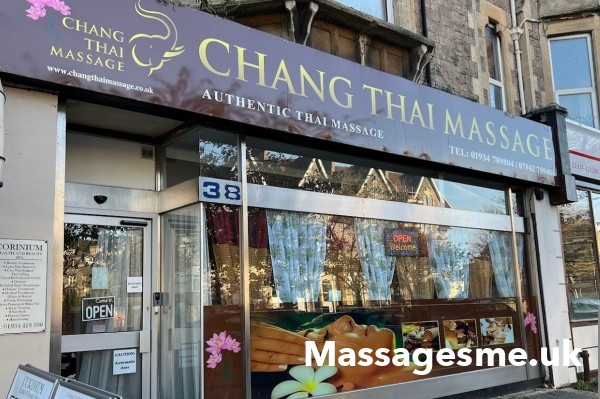
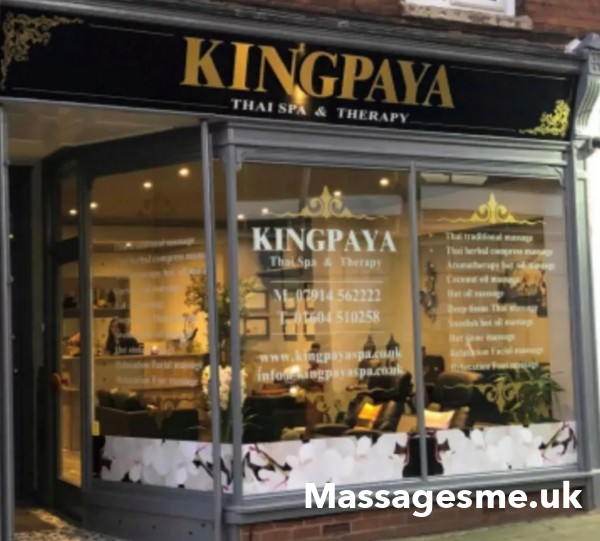
Thai massage is available from specialist Thai massage centres, independent practitioners, wellness clinics and selected spas across the UK. Dedicated Thai venues may offer several variations, including traditional Thai massage, Thai oil massage and treatments combining Thai techniques with other approaches.
If you prefer visiting a fixed venue, you can compare UK Thai massage centres and spas offering traditional and oil-based treatments before contacting individual providers.
Related Pressure and Stretching Treatments
Finding Thai Massage Near You in the UK
Thai massage is widely available in London and across the UK from specialist Thai practitioners, independent massage therapists, mobile providers and established treatment centres.
When comparing services, check whether the therapist offers traditional clothed Thai massage or Thai oil massage, how much stretching is included, the type of treatment surface used and whether techniques can be adapted to your mobility.
Massages Me lets you compare traditional Thai massage therapists and professional Thai bodywork services across the UK, review individual treatment descriptions and contact providers directly about training, prices and availability.
Looking for Thai Massage in the UK?
Compare professional Thai massage therapists, mobile practitioners and treatment centres on Massages Me, then contact providers directly about traditional Thai massage, stretching, pressure, session lengths, prices and appointments near you.