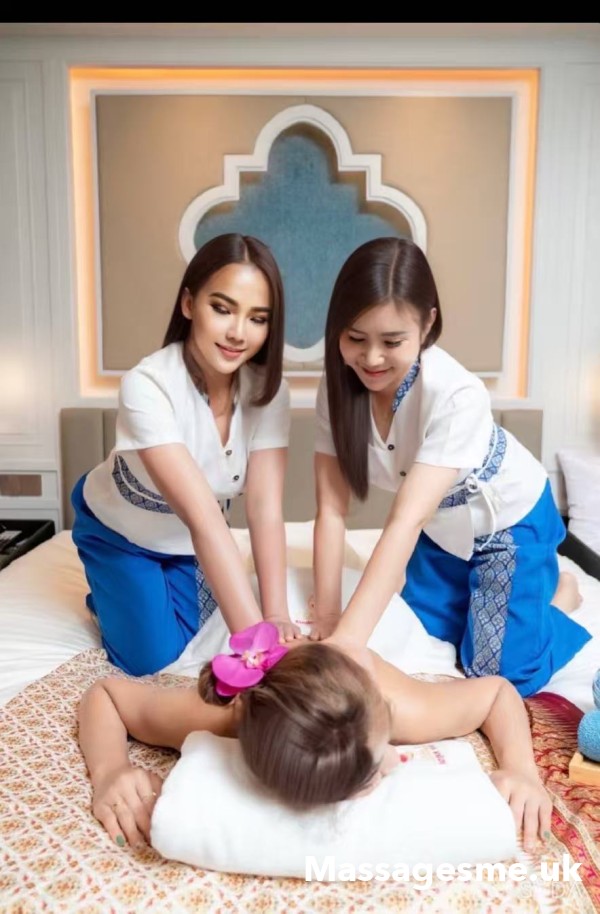
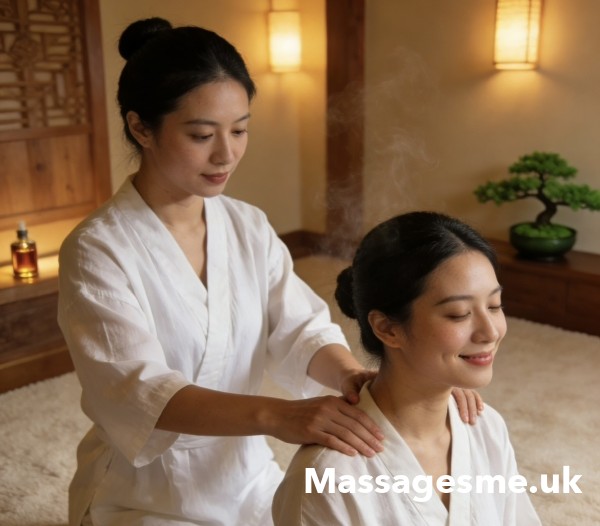
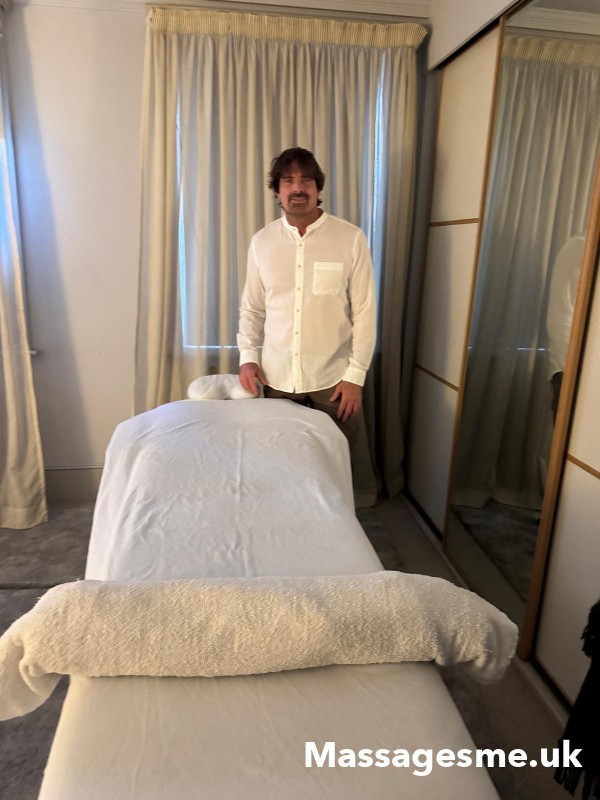
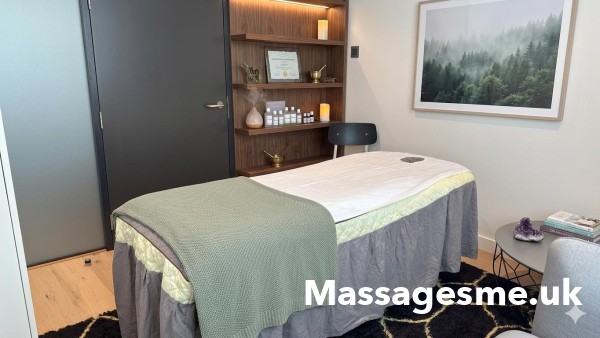
Shiatsu massage is a Japanese form of bodywork that uses sustained finger and palm pressure, compression, gentle stretching and joint movement. Unlike most oil-based massage, Shiatsu is commonly performed through comfortable clothing and may take place on a futon or padded mat rather than a conventional massage table.
The word shiatsu translates broadly as "finger pressure", although a full treatment involves considerably more than pressing individual points. A practitioner may use the thumbs, palms and sometimes forearms while moving systematically across different areas of the body.
Many Shiatsu traditions also use concepts such as Ki or Qi and meridian pathways that developed from East Asian medicine. These provide a traditional framework for how practitioners organise treatment, but they should not be presented as proven anatomical structures or as a way to diagnose internal disease.
What Is Shiatsu Massage?
Shiatsu is a pressure-based form of Japanese bodywork. During treatment, the practitioner applies controlled pressure to different parts of the body while also incorporating techniques such as compression, stretching and gentle joint movement.
The treatment is generally slower and more stationary than Swedish massage. Rather than repeatedly gliding oil over the skin, the practitioner may hold pressure through the clothing for several seconds before moving along the body.
Shiatsu can feel both relaxing and physically engaging. Some areas receive simple sustained pressure, while other parts of the session may involve movement of the arms, legs, hips or shoulders.
Shiatsu Is Usually an Oil-Free Massage
Most Shiatsu is performed through loose clothing without massage oil. This makes it quite different from Swedish, aromatherapy, Lomi Lomi and many other full-body massage treatments where direct skin contact and oil are central to the technique.
Where Does Shiatsu Come From?
Modern Shiatsu developed in Japan during the twentieth century, although its techniques and ideas were influenced by much older Japanese and Chinese bodywork traditions.
Japanese Anma massage is an important part of that background. Anma uses pressure, rubbing, kneading and other manual techniques and helped shape the development of later Japanese bodywork systems.
Over time, different Shiatsu schools developed their own approaches. Some place greater emphasis on anatomy and physical pressure, while others work more explicitly with traditional concepts such as meridians, Ki and energetic balance.
That variation is important when choosing a therapist because two practitioners advertising Shiatsu may deliver treatments that feel noticeably different.
What Do Ki and Meridians Mean in Shiatsu?
Many Shiatsu practitioners use the traditional concept of Ki, also known as Qi in Chinese traditions. Within this framework, Ki is described as a form of life energy moving through pathways known as meridians.
Practitioners who follow this model may organise pressure and treatment sequences according to these meridian pathways and describe areas as having relatively more or less energetic activity.
Meridians and Ki are traditional concepts rather than anatomical structures demonstrated in conventional medicine. A professional practitioner should therefore distinguish between traditional Shiatsu theory and established medical physiology.
Traditional Theory vs Medical Diagnosis
A Shiatsu practitioner may discuss meridian patterns within their treatment tradition, but this should not be used to diagnose kidney, liver, heart, digestive, hormonal or other internal medical problems. Symptoms suggesting disease require appropriate healthcare assessment.
What Is Zen Shiatsu?
Zen Shiatsu is an influential style associated particularly with Japanese practitioner Shizuto Masunaga. It expanded the use of traditional meridian concepts and emphasised working with the whole body rather than treating isolated points alone.
A Zen Shiatsu session may therefore involve continuous contact, pressure along broader meridian pathways, stretching and close attention to how different areas of the body respond during treatment.
The word "Zen" does not mean that every appointment includes formal meditation. Some practitioners incorporate a mindful or contemplative approach, while others concentrate primarily on physical bodywork.
What Is Japanese Shiatsu Massage?
Shiatsu itself is Japanese, so the phrase "Japanese Shiatsu" is often used mainly to distinguish traditional pressure-based bodywork from massage chairs or mechanical products that use the Shiatsu name.
A professional treatment normally involves a practitioner using their hands rather than a machine attempting to imitate pressure movements.
Different Japanese schools of Shiatsu may still vary in their technique, philosophy and treatment sequence, so the term does not guarantee one identical routine.
How Is Shiatsu Performed?
A typical appointment starts with a short discussion about your health, comfort, pressure preference and why you are interested in the treatment. The practitioner should also ask about injuries or conditions that could affect stretching or pressure.
Positioning
Traditional Shiatsu is commonly performed on a padded floor mat or futon. Some UK practitioners instead use a massage table, particularly where floor treatment would be uncomfortable for the client or therapist.
You may lie on your back, side or front during different parts of the appointment, depending on the treatment and your mobility.
Pressure
The practitioner gradually applies pressure using the thumbs, fingers or palms. Pressure may be held momentarily rather than rubbed backwards and forwards.
Compression
Broader palm pressure may be used around larger areas such as the back, legs or shoulders. This creates a different sensation from smaller thumb-pressure techniques.
Stretching
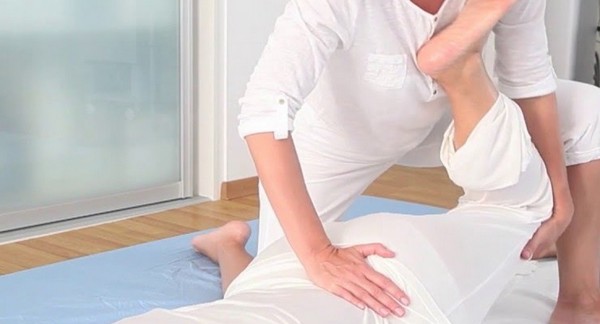
Some Shiatsu treatments include assisted stretching of the legs, hips, shoulders or arms. Stretching should remain within a comfortable range and should never be forced.
Joint Movement
Gentle rotations or movements may be used around joints where appropriate. These are not the same as high-velocity spinal or chiropractic manipulation.
How Long Does Shiatsu Massage Last?
Many Shiatsu appointments last around 60 minutes, with longer sessions also available. Treatment length varies between practitioners, and a longer appointment is not automatically more effective than a shorter, well-planned session.
Techniques Used in Shiatsu Massage
Thumb Pressure
Controlled thumb pressure is one of the techniques most closely associated with Shiatsu and may be applied along different areas of the body.
Palm Pressure
The palm gives broader contact than the thumb and can be used over areas such as the back, shoulders, thighs and hips.
Compression
The practitioner may use body weight gradually to create steady pressure without relying on muscular force through the hands.
Assisted Stretching
Comfortable stretches can be incorporated to create a more movement-based treatment than conventional table massage.
Rocking and Rhythmic Movement
Some practitioners use gentle rocking or repeated movement between pressure techniques. This can help connect different parts of the treatment and prevent the session from feeling like a sequence of unrelated pressure points.
Forearm and Elbow Techniques
Depending on training and treatment style, a practitioner may occasionally use a forearm or elbow over larger areas. These techniques should still be controlled and adapted to the client's comfort.
What Does Shiatsu Massage Feel Like?
Shiatsu feels quite different from an oil massage. Because there is little sliding over the skin, you notice individual moments of pressure, compression and movement more clearly.
A thumb may gradually sink into an area and remain there briefly before the practitioner moves to the next position. Larger palm techniques can feel broader and softer, while assisted stretches create a more active sensation.
Some people find the combination deeply relaxing even though they remain fully clothed and the treatment involves movement. Others prefer continuous oil massage because they enjoy gliding strokes more than stationary pressure.
Is Shiatsu Massage Painful?
Shiatsu can include firm pressure, but it should not require significant pain.
Some points or muscular areas may feel more sensitive than others. Tell the practitioner when pressure becomes uncomfortable so they can adjust their body weight, position or technique.
Sharp, burning, electric or otherwise concerning pain is not evidence that an energy blockage is successfully being released.
Why Do People Choose Shiatsu?
Shiatsu is particularly appealing to people who want pressure-based bodywork without massage oil or undressing.
You may prefer it if you:
- want to remain fully clothed during massage;
- enjoy pressure-based techniques;
- prefer treatment without oils or lotions;
- like gentle assisted stretching;
- want something different from Swedish or deep tissue massage;
- are interested in Japanese bodywork traditions;
- prefer a floor-based treatment or futon-style setup.
Shiatsu can be chosen simply because the treatment style feels comfortable and relaxing. It does not need claims about correcting internal organs, releasing trauma or restoring invisible energy imbalances to have value as professional bodywork.
Shiatsu vs Acupressure
Shiatsu and acupressure have substantial overlap because both can involve manual pressure on points associated with East Asian therapeutic traditions.
Acupressure focuses more explicitly on manual stimulation of traditional acupoints, while Shiatsu generally incorporates broader body pressure, compression, stretching and movement.
A Shiatsu treatment may therefore contain techniques that resemble acupressure without being limited to individual points.
| Feature | Shiatsu Massage | Acupressure |
|---|---|---|
| Origins | Modern Japanese bodywork | Closely associated with traditional Chinese medicine |
| Main technique | Pressure, compression, movement and stretching | Focused manual pressure on traditional acupoints |
| Clothing | Usually fully clothed | Can vary by practitioner |
| Stretching | Commonly incorporated | Less central to the treatment |
| Oil | Usually not used | Normally unnecessary |
Shiatsu vs Thai Massage
Shiatsu and Thai massage are useful treatments to compare because both are commonly performed clothed and combine pressure with movement.
Traditional Thai massage generally incorporates more extensive assisted stretching and whole-body positioning. It may involve larger movements of the legs, hips and spine than a typical Shiatsu session.
Shiatsu generally places greater emphasis on sustained finger and palm pressure, while stretches tend to be integrated between pressure techniques rather than dominating the entire treatment.
If you want a highly movement-based treatment, Thai massage may suit you better. If you prefer more stationary pressure with moderate stretching, Shiatsu may be the closer match.
Shiatsu vs Swedish Massage
Swedish massage provides a very different sensory experience.
It is usually performed directly against the skin using oil or lotion and relies on gliding, kneading and flowing massage movements.
Shiatsu normally uses no oil, is performed through clothing and applies pressure more vertically rather than continually sliding over the body.
If you want a conventional oil treatment rather than clothed bodywork, Swedish massage with traditional flowing and kneading techniques is the more natural alternative.
Shiatsu vs Deep Tissue Massage
Both treatments can provide firm pressure, but they achieve it differently.
Deep tissue massage usually uses slower gliding, compression and targeted pressure directly against muscular areas, often with oil or another massage medium.
Shiatsu applies much of its pressure through clothing and may use body weight through the thumbs or palms rather than repeatedly working deep into the same muscle.
If your main priority is sustained firm muscular massage rather than Japanese bodywork or stretching, deep tissue massage may be more appropriate.
Shiatsu vs Reflexology
Both treatments can involve pressure and traditional energetic theories, but the treatment areas are very different.
Reflexology concentrates primarily on mapped pressure areas of the feet or hands, while Shiatsu is normally a much broader body treatment.
Reflexology may therefore suit someone who wants a relatively stationary foot-focused treatment, while Shiatsu is better suited to someone wanting pressure and movement across several body areas.
Is Shiatsu the Same as Ashiatsu?
No. The similar names create frequent confusion.
Shiatsu is Japanese pressure-based bodywork traditionally associated with finger and palm pressure.
Ashiatsu is a different massage approach in which the practitioner uses their feet to apply pressure, often while holding overhead support bars.
Ashiatsu can produce much broader and deeper pressure across large muscle groups and should not be described as "Shiatsu performed with the feet".
Can Shiatsu Help With Back Tension?
Shiatsu can include pressure, compression and stretching around the back, hips and shoulders, so people who enjoy this type of bodywork may find the treatment comfortable when these areas feel tight.
Back pain, however, has many potential causes. Persistent, severe, worsening or unexplained pain should not automatically be attributed to blocked Ki or a disturbed meridian.
If strong muscular pressure rather than clothed pressure work is your main priority, a focused back or deep tissue massage may provide a more direct treatment experience.
Can Shiatsu Help Sciatica?
Sciatica refers to symptoms associated with irritation or compression affecting the sciatic nerve. It is not simply muscular tension along a traditional meridian.
Shiatsu should therefore not be promoted as a treatment that removes sciatic nerve compression by restoring energy flow.
If you have persistent radiating pain, weakness, numbness or neurological symptoms, appropriate medical or physiotherapy assessment is more important than repeatedly applying massage pressure.
Can Shiatsu Help Headaches?
A Shiatsu practitioner may use gentle pressure around the shoulders, neck, head or face, and some clients find this relaxing.
However, frequent, severe, sudden or unexplained headaches require appropriate assessment rather than diagnosis through meridian patterns.
The therapist should also avoid aggressive pressure around the neck when symptoms are unusual or unexplained.
Can Shiatsu Help With Stress or Anxiety?
Relaxation is one of the most common reasons people choose Shiatsu. A quiet treatment, sustained pressure, and an unhurried session can be enjoyable for someone who wants to step away from everyday demands.
This should be distinguished from claiming that manipulating meridians treats an anxiety disorder or other mental-health condition.
If anxiety is severe, persistent or affecting everyday life, massage or complementary therapy should not replace appropriate mental-health support.
Can Shiatsu Help You Sleep?
Some people feel sleepy or deeply relaxed after Shiatsu, just as they may after other forms of massage.
There is no guarantee that treatment will improve sleep, and Shiatsu should not be promoted as a cure for insomnia through energy balancing.
Persistent sleep problems can have many causes and may need broader attention.
Shiatsu and Emotional Release
People can sometimes experience emotions during any quiet or personally meaningful bodywork treatment. Someone may feel calm, emotional or unexpectedly reflective during Shiatsu.
This does not demonstrate that trauma has been stored inside a meridian and physically released through finger pressure.
A Shiatsu practitioner should not claim to resolve psychological trauma unless they also hold appropriate professional qualifications for mental-health treatment.
What Should You Wear for Shiatsu?
Wear loose, comfortable clothing that allows easy movement.
Suitable options may include:
- comfortable trousers or tracksuit bottoms;
- a T-shirt or loose top;
- light leggings or flexible sportswear;
- clean socks if requested by the practitioner.
Very thick clothing, restrictive jeans or bulky belts can make pressure and assisted movement more difficult.
Do You Need to Undress for Shiatsu Massage?
No. Remaining clothed is one of the defining practical features of Shiatsu.
This may appeal to new people to massage who prefer not to undress or dislike the use of massage oils.
Because the practitioner works through clothing, professional Shiatsu also lends itself well to mobile and some workplace treatment settings.
Shiatsu During Pregnancy
Shiatsu may be adapted during pregnancy, but the practitioner should know you are pregnant before treatment begins.
Positioning, pressure and stretching may need to change as pregnancy progresses. A practitioner treating pregnant clients should understand pregnancy-specific considerations rather than applying an ordinary Shiatsu routine unchanged.
If the pregnancy is complicated or high risk, ask your midwife or maternity team before booking complementary treatment.
Is Shiatsu Safe?
Shiatsu is a non-invasive form of bodywork, but pressure and stretching are not appropriate in every situation.
Tell the Practitioner Before Treatment If You Have:
- a recent fracture, sprain or significant injury;
- recent surgery;
- known or suspected blood clots;
- significant osteoporosis or bone fragility;
- acute infection, fever or illness;
- open wounds or active skin conditions in treatment areas;
- significant joint instability;
- neurological symptoms such as unexplained weakness or numbness;
- pregnancy or possible pregnancy;
- another condition that could make pressure or stretching inappropriate.
A professional practitioner should modify, postpone or avoid treatment when necessary rather than assuming that restoring energy flow makes Shiatsu suitable for every condition.
How Often Should You Have Shiatsu?
There is no standard schedule that applies to everybody.
Some people book Shiatsu occasionally because they enjoy the technique, while others make it part of a regular wellbeing routine.
You do not automatically need weekly treatment for an "energy imbalance" or monthly sessions to prevent illness. Frequency should depend on your preferences, budget and how useful you find the treatment.
Can Shiatsu Be Provided at Home?
Yes. Shiatsu is particularly adaptable to mobile treatment because massage oil and a conventional massage table are not always required.
A practitioner may bring a portable futon or floor mat, although some mobile therapists use a massage table depending on the client's mobility and available space.
The room should provide enough clear space for the practitioner to move safely around the client and perform stretches where these form part of the treatment.
Massages Me can help you find mobile Shiatsu massage therapists providing clothed Japanese bodywork treatments across the UK.
Shiatsu at Massage Centres and Wellness Venues
Shiatsu is available from specialist practitioners, complementary therapy centres, massage clinics and selected spas throughout the UK.
Some therapists work from dedicated Japanese or East Asian bodywork practices, while others offer Shiatsu alongside acupuncture, massage or other complementary treatments.
If you prefer attending a fixed treatment venue, Massages Me allows you to compare UK massage centres and wellness venues offering Shiatsu and pressure-based bodywork.
How Much Does Shiatsu Massage Cost in the UK?
There is no standard national price for Shiatsu.
Fees vary according to practitioner experience, session length, location, treatment setting and whether the appointment is provided at your home.
| Pricing Factor | Why It Can Affect the Cost |
|---|---|
| Session length | Shorter treatments and extended Shiatsu appointments involve different amounts of practitioner time. |
| Specialist training | Practitioners with extensive Shiatsu training or experience may use different pricing structures. |
| UK location | Professional treatment prices vary between London, other cities and regional areas. |
| Treatment setting | Specialist Shiatsu practices, spas and general wellness centres may price treatments differently. |
| Mobile appointment | Travel time, distance and portable treatment equipment may affect the cost of a home visit. |
Is Shiatsu Covered by the NHS or Health Insurance?
Shiatsu is a complementary therapy rather than a standard NHS treatment routinely available throughout the UK.
Some NHS or charity-supported services may offer complementary therapies such as Shiatsu in particular settings, but this does not mean Shiatsu is generally funded as a standalone NHS treatment.
Private health insurance policies vary considerably. If you want to claim for Shiatsu, check your policy before treatment and ask whether there are any requirements regarding practitioner qualifications or professional association membership.
Choosing a Shiatsu Practitioner
Shiatsu is not simply ordinary massage with a Japanese name. A practitioner should understand pressure techniques, body mechanics, stretching, treatment positioning, and the traditional concepts used in practice.
Questions Worth Asking Before Booking
- Where did you train in Shiatsu?
- Which style of Shiatsu do you practise?
- Do you use Zen Shiatsu or another approach?
- Is treatment provided on a futon or massage table?
- How much stretching is normally included?
- Can pressure be adapted if I prefer a gentler treatment?
- Do you treat pregnant clients?
- Do you belong to a recognised Shiatsu professional organisation?
- Do you hold appropriate professional insurance?
Be cautious about practitioners who claim to diagnose organ disease through meridians, guarantee treatment of chronic medical conditions, promise to release psychological trauma or say that painful pressure proves an energy blockage is being removed.
Massages Me allows you to compare professional Shiatsu therapists and Japanese pressure-based massage treatments throughout the UK, review individual profiles and contact practitioners directly about their training, treatment style and availability.
Preparing for a Shiatsu Massage
Shiatsu requires relatively little preparation, particularly because there is normally no need to undress or use massage oil.
- Wear loose, flexible clothing.
- Tell the practitioner about relevant injuries or health conditions.
- Mention joint problems or movement restrictions before stretching begins.
- Explain how much pressure you normally prefer.
- Tell the practitioner if a floor treatment would be difficult for you.
- Speak up if pressure or stretching becomes uncomfortable.
After a Shiatsu Massage
You may feel relaxed, sleepy or simply comfortable after treatment. Others feel little change beyond enjoying the session itself.
No special detox routine is required. Normal hydration is sufficient, and there is no need to drink excessive water to flush out blocked Ki or toxins.
If treatment causes significant pain, unusual swelling, persistent numbness or another concerning reaction, obtain appropriate advice rather than interpreting the symptoms as a normal energy adjustment.
Related Japanese and Pressure-Based Treatments
Finding Shiatsu Massage Near You in the UK
Shiatsu is available from independent practitioners, specialist Japanese bodywork therapists, complementary therapy centres, mobile providers and selected massage venues throughout the UK.
Because different Shiatsu schools can produce noticeably different treatments, compare more than location and price. Look at practitioner training, whether treatment is provided on a futon or table, how much stretching is involved and whether the practitioner uses a traditional meridian-based or more anatomy-focused approach.
For clients who specifically want massage without undressing or using oils, Shiatsu can provide a distinctly different option from most conventional full-body massage styles.
Looking for Shiatsu Massage in the UK?
Compare professional Shiatsu therapists, mobile practitioners and treatment venues on Massages Me, then contact providers directly about Japanese pressure techniques, treatment style, session lengths, prices and availability near you.