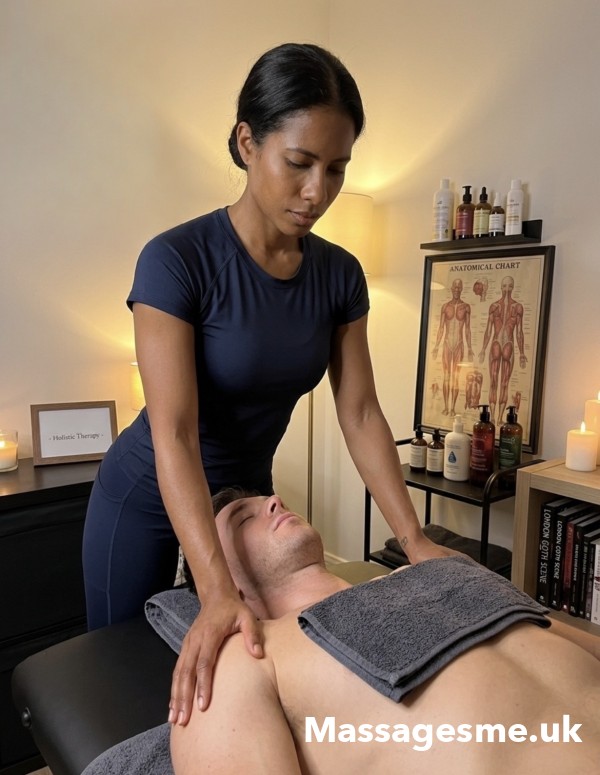
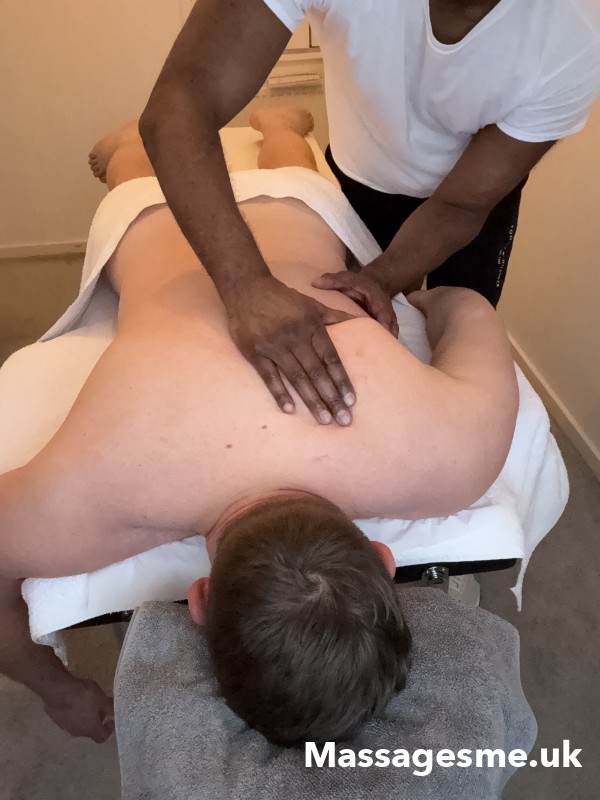
Sports massage is a targeted form of massage for people who exercise, train or participate in sport. Rather than following the same full-body routine for every client, treatment is usually organised around the muscles and body areas most relevant to the person's activity, training load and reason for booking.
You do not need to be a professional athlete to book sports massage. Runners, cyclists, gym members, swimmers, footballers, dancers and other physically active people may choose it after demanding exercise, during a training programme or simply because they prefer focused muscular treatment.
Sports massage is often firmer than a general relaxation massage, but it should not automatically be extremely deep or painful. Pressure, technique and treatment area should depend on the individual, the timing of the massage and whether an injury is present.
What Is Sports Massage?
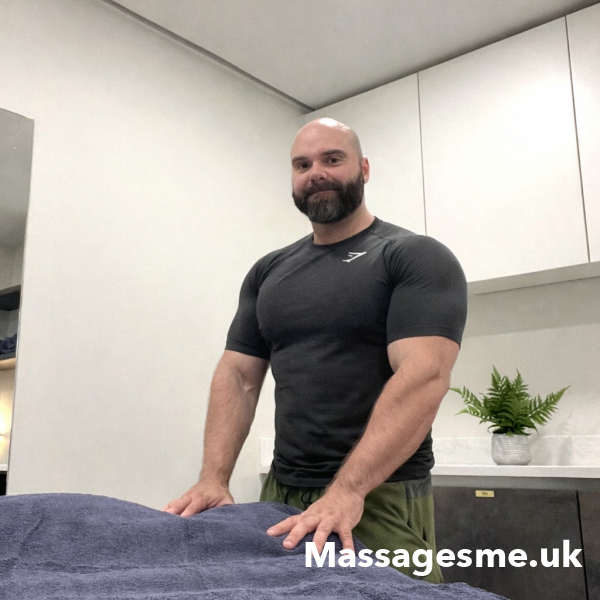
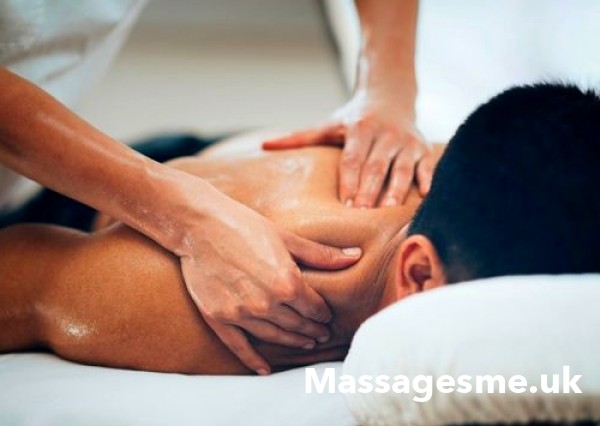
Sports massage uses massage and soft-tissue techniques in the context of exercise and physical activity. A therapist may focus on the calves and legs of a runner, the shoulders of a swimmer or the hips and thighs of a cyclist instead of dividing treatment time equally across the body.
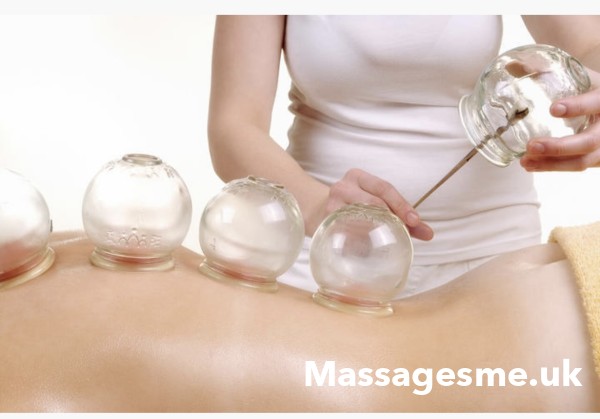
Techniques can include gliding strokes, kneading, compression, sustained pressure, friction and stretching. Some practitioners also incorporate myofascial or trigger-point methods according to their training.
The word "sports" does not mean treatment must always be aggressive. A lighter post-event massage can feel very different from a firm maintenance session performed several days away from competition.
Sports Massage Is Not Only for Athletes
Recreational runners, regular gym users and other active adults can also book sports massage. What matters is whether you want massage organised around the demands of your physical activity rather than whether you compete professionally.
What Happens During a Sports Massage?
A good sports massage begins with understanding why you are booking. The therapist should ask about your sport, current training, recent changes in workload, areas that feel uncomfortable and whether there has been an actual injury.
This helps distinguish ordinary post-training soreness from a new injury involving sudden pain, swelling or bruising. An injured area may need assessment or time to settle rather than immediate strong massage.
Choosing the Treatment Areas
Sports massage is often more focused than full-body massage. A runner may spend most of the appointment on the calves, thighs and hips, while someone involved in climbing or strength training may prioritise the shoulders, upper back and arms.
Pressure and Techniques
The therapist may move between broader massage strokes and more concentrated work according to the area being treated. Firm pressure can be used where suitable, but intensity should remain adjustable throughout the session.
Movement and Stretching
Some sports massage sessions include comfortable stretches or joint movements. These can complement the soft-tissue work but should never be forced through pain.
How Long Does Sports Massage Last?
A short appointment may be enough for one specific muscle group, while longer sessions can cover several areas. Pre-event and post-event treatments can also be considerably shorter than a normal clinic or home appointment.
Sports Massage Techniques
Gliding Strokes
Broad movements can be used across larger muscles to begin treatment and connect more focused techniques.
Kneading
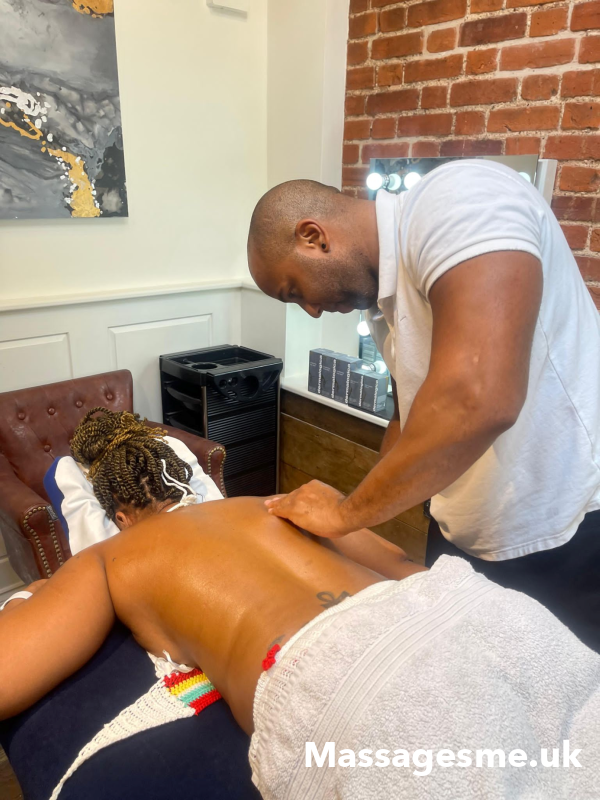
The therapist may lift and compress areas such as the calves, thighs, shoulders or upper back.
Compression
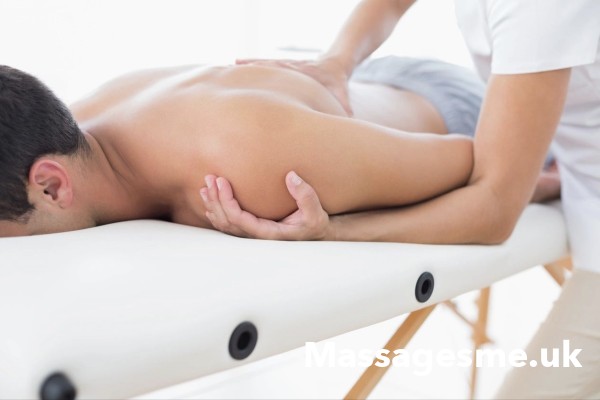
Controlled pressure through the hands, palms or forearms provides broader contact across muscular areas.
Focused Pressure
Selected areas of muscular tenderness or tightness may receive more concentrated treatment where appropriate.
Sports therapists may also use friction, myofascial techniques or assisted stretching. These should be selected according to the treatment goal rather than automatically applied to every client.
Who Is Sports Massage For?
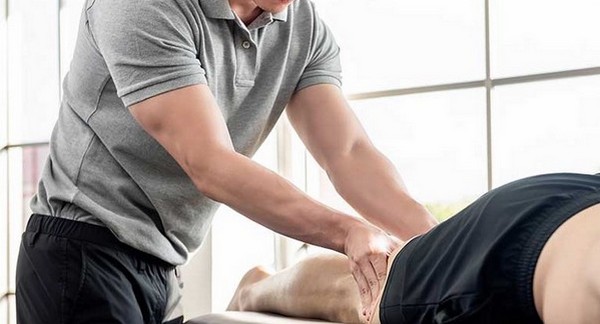
Sports massage can suit people involved in running, cycling, swimming, football, rugby, racquet sports, climbing, martial arts, dance, gym training and other demanding physical activities. It may also appeal to people with physically demanding jobs or hobbies.
The right treatment still depends on why you are booking. Someone who wants to relax after exercise may prefer a Swedish or relaxing massage, while an actual injury affecting movement or function may be better assessed by a physiotherapist.
Sports Massage, Recovery and DOMS
Sports massage is frequently associated with recovery after exercise. Some people feel less sore or stiff after treatment, and research suggests massage may modestly reduce the perception of delayed-onset muscle soreness, commonly known as DOMS.
Recovery nevertheless depends on much more than massage. Sleep, nutrition, appropriate rest and sensible training loads remain important. Massage should therefore be viewed as an optional part of recovery rather than something that physically repairs muscles faster after every workout.
The familiar claim that sports massage is needed to flush lactic acid from muscles is also misleading. Lactate produced during exercise is processed relatively quickly and is not responsible for soreness lasting several days.
Does Sports Massage Improve Performance or Prevent Injuries?
Sports massage should not be promised as a direct way to make someone faster or stronger. Research does not show consistent improvements in measures such as strength, sprinting, or endurance from a single massage.
Likewise, no massage can guarantee injury prevention. Injury risk depends on training load, previous injury, strength, fatigue, sporting demands, equipment and many other factors.
A therapist can still contribute usefully by providing massage, discussing how areas feel during training and recognising symptoms that deserve assessment. That is more credible than claiming massage can identify and remove every future injury before it happens.
Pre-Event, Post-Event and Maintenance Sports Massage
Pre-Event Massage
Massage shortly before competition is usually shorter and lighter than an intensive maintenance session. Very deep treatment immediately before performance may leave muscles feeling tender rather than prepared.
Some athletes enjoy a brief massage before an event, while others prefer to rely on their normal warm-up. Introducing an unfamiliar intensive treatment immediately before an important competition is rarely sensible.
Post-Event Massage
After a race, match or demanding training session, muscles may already be tired and sensitive. Post-event massage is therefore generally more recovery-focused and does not require maximum pressure.
If an injury occurred during the event and there is sudden pain, swelling or bruising, the area should be assessed before strong massage is applied.
Maintenance Massage
Maintenance treatment takes place during normal training rather than directly around competition. This allows more time for focused work across the muscles most heavily used in the person's sport.
Sports Massage for Runners, Cyclists and Gym Users
Different activities place different demands on the body, so sports massage should reflect the client's training rather than follow one universal athlete routine.
Runners
Running treatments commonly focus on the calves, quadriceps, hamstrings, gluteal muscles and hips. Foot massage may also be incorporated when appropriate.
Recurring running pain should not simply be repeatedly massaged. Training volume, strength, footwear and the need for physiotherapy or podiatry assessment may also need consideration.
Cyclists
Cyclists may want treatment around the thighs, calves, hips, lower back and shoulders because cycling combines repetitive leg movement with prolonged riding positions.
If the same discomfort repeatedly returns, factors such as training load, strength and bike setup may matter as much as massage.
Gym and Strength Training
For gym users, treatment can follow whichever muscles have received the greatest workload. Someone training upper body may prioritise the shoulders and upper back, while a lower-body programme may call for more work around the gluteal muscles, thighs and calves.
Normal post-training soreness does not mean damaging muscle knots must be aggressively broken apart before the next workout.
Sports Massage vs Deep Tissue Massage
Sports massage and deep tissue massage overlap, especially when firm pressure is used, but their purpose is different.
| Feature | Sports Massage | Deep Tissue Massage |
|---|---|---|
| Main context | Sport, exercise and physical activity | Firm massage around selected muscular areas |
| Pressure | Varies according to timing and purpose | Usually medium-firm to firm |
| Stretching | Commonly incorporated | May be used but is less central |
| Treatment areas | Selected according to activity | Selected according to muscular tension |
| Event timing | Can be adapted before or after competition | Normally not organised around sporting events |
If your main priority is strong, concentrated muscular pressure rather than sport-specific treatment, deep tissue massage for targeted firm-pressure muscle work may be the closer match.
Sports Massage vs Physiotherapy
The distinction becomes particularly important when injury is involved. Sports massage primarily provides massage and soft-tissue treatment, while physiotherapy is a regulated healthcare profession that can include assessment, rehabilitation exercise, movement advice and manual therapy.
If an injury causes significant weakness, loss of movement, persistent neurological symptoms or repeated problems that interfere with activity, physiotherapy and rehabilitation-focused manual therapy may be a more appropriate starting point.
Sports Massage and Myofascial Release
Some sports therapists incorporate slower myofascial techniques into a treatment, particularly when sustained rather than continuous pressure is preferred.
Myofascial release therapy using sustained soft-tissue pressure can also be booked as a more specific treatment, but it does not need to form part of every sports massage.
Sports Massage and Common Injuries
Sports massage is often searched alongside conditions such as plantar fasciitis, sciatica, groin strain, shoulder problems and back pain. The important distinction is between massaging tired or tense muscles and treating an actual injury.
A therapist may work around the calves and feet when someone has plantar heel discomfort, or around the hips and back when muscles feel tight. However, massage cannot remove sciatic nerve compression, repair a torn rotator cuff or release a genuinely compressed nerve simply through strong pressure.
Fresh strains also require caution. Sudden pain, swelling and bruising can indicate tissue injury, and aggressive massage immediately after the event may aggravate the area rather than help it.
Seek Assessment Rather Than Strong Massage If You Have:
- a fresh muscle tear or significant strain;
- a suspected fracture;
- sudden severe pain following an injury;
- significant new swelling or bruising;
- persistent weakness, numbness or tingling;
- a known or suspected blood clot;
- an open wound or active infection;
- substantial loss of movement after an injury.
A sports massage therapist should recognise when massage is not the appropriate first treatment and recommend further assessment where necessary.
Should Sports Massage Hurt?
Firm sports massage can feel intense, especially around already tired muscles, but significant pain is not required for an effective treatment.
Very strong massage can leave an area unnecessarily sore or bruised. Pressure should reflect the body area, timing, and purpose of the treatment, rather than the notion that sports massage must always be deeper than ordinary massage.
How Often Should You Get a Sports Massage?
There is no universal schedule. A competitive athlete with a demanding programme has different needs from someone who runs or goes to the gym recreationally.
Some people book around demanding events, while others choose occasional maintenance massage or arrange treatment when they particularly enjoy or value it. Weekly massage is not automatically necessary for every runner, cyclist or gym member.
Preparing for Sports Massage
The most useful preparation is giving the therapist accurate information about your training and symptoms.
- Explain which sport or activity you do.
- Mention recent increases in training intensity or distance.
- Say when discomfort started and whether there was a specific injury.
- Tell the therapist about upcoming competitions or demanding sessions.
- Mention medication and relevant health conditions.
- Wear or bring clothing that allows the relevant area to be assessed and treated.
You do not need to overhydrate before or after the massage deliberately. Normal hydration, food, sleep and appropriate recovery are generally more useful than following a special post-massage detox routine.
Can Sports Massage Be Provided at Home?
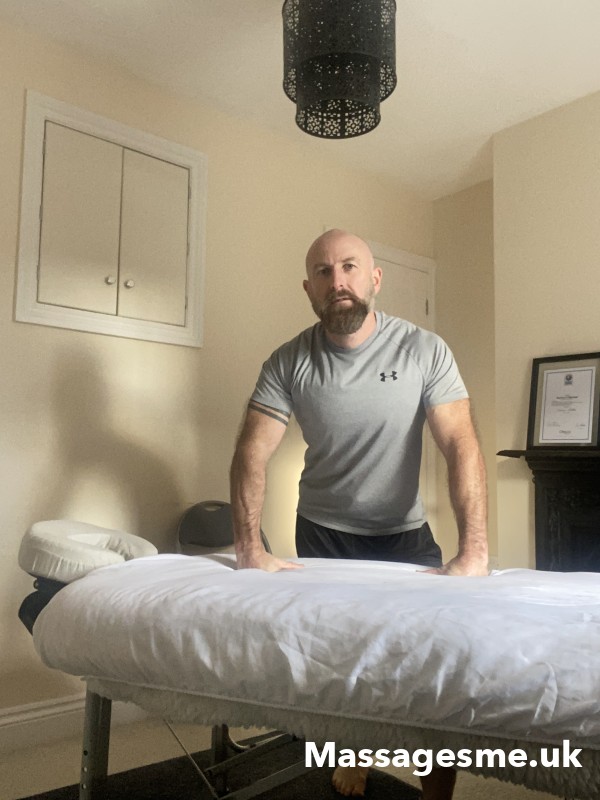
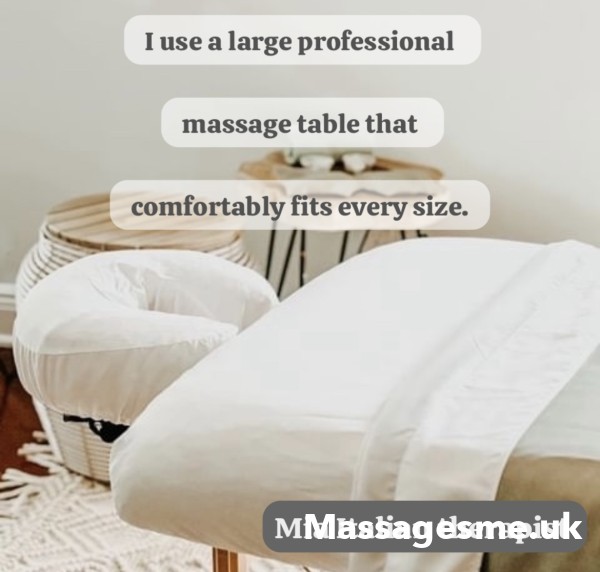
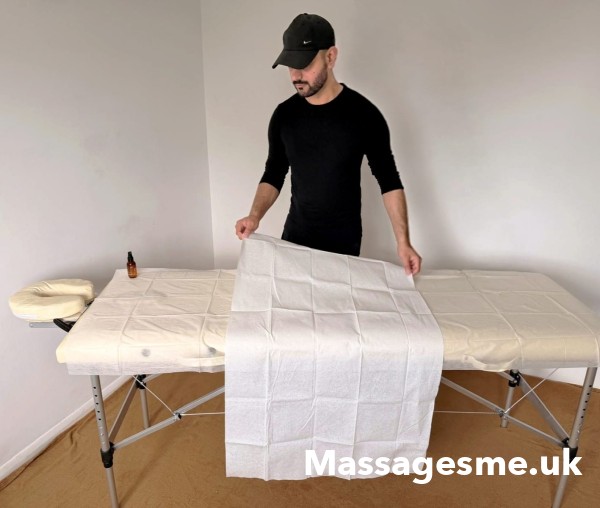
Yes. Sports massage can be provided at home or in a hotel using a portable massage table, which may be convenient after a demanding training session or sporting event.
The therapist still needs enough space to work safely and may ask you to perform simple movements before or during the treatment.
Massages Me can help you find mobile sports massage therapists offering professional home and hotel treatments for active clients across the UK.
Sports Massage at Clinics and Treatment Centres
Sports massage is available from independent therapists, sports therapy practices, physiotherapy clinics, gyms and multidisciplinary treatment centres.
A clinic can be particularly useful when massage is combined with movement assessment, rehabilitation or other sports therapy services.
You can compare UK sports massage clinics and professional treatment centres and check individual practitioner experience before booking.
How Much Does Sports Massage Cost in the UK?
There is no standard UK price. Fees depend on session length, therapist training, location, treatment setting and whether the practitioner travels to you.
| Pricing Factor | Why It Can Affect the Cost |
|---|---|
| Session length | A short focused treatment and a longer multi-area massage require different amounts of therapist time. |
| Practitioner training | Sports massage qualifications and additional sports therapy experience may influence fees. |
| UK location | Professional treatment prices vary between London, other cities and regional areas. |
| Treatment setting | Sports clinics, gyms and independent therapists may use different pricing structures. |
| Mobile treatment | Travel time, distance and parking may affect home or hotel appointment prices. |
Choosing a Sports Massage Therapist
Training matters because a sports massage therapist should understand not only massage technique but also when an injury should not be massaged.
Questions Worth Asking Before Booking
- What sports massage qualification do you hold?
- Do you regularly work with people involved in my activity?
- How do you approach recent injuries or suspected muscle strains?
- Do you incorporate stretching or myofascial techniques?
- Can treatment be adapted before or after a sporting event?
- When would you recommend physiotherapy or medical assessment instead?
- Do you hold appropriate professional insurance?
Be cautious about therapists who guarantee injury prevention, promise dramatic performance improvements or insist that painful massage is necessary for athletes.
Massages Me allows you to compare qualified sports massage therapists and exercise-focused massage treatments throughout the UK, review individual services and contact practitioners directly about training, pressure, prices and appointment availability.
Related Sports and Recovery Treatments
Finding Sports Massage Near You in the UK
Sports massage is widely available from independent therapists, sports therapy clinics, physiotherapy practices, gyms and mobile practitioners throughout the UK.
When comparing providers, look at actual sports massage training, experience with your activity, preferred pressure and whether the practitioner understands when symptoms need assessment rather than simply more massage.
Looking for Sports Massage in the UK?
Compare professional sports massage therapists, mobile practitioners and treatment centres on Massages Me, then contact providers directly about sports experience, techniques, session lengths, prices and availability near you.