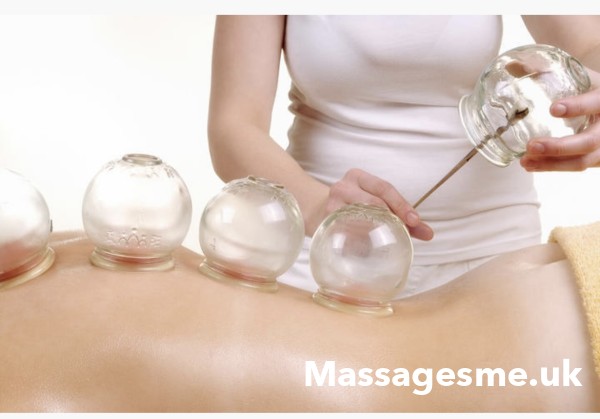
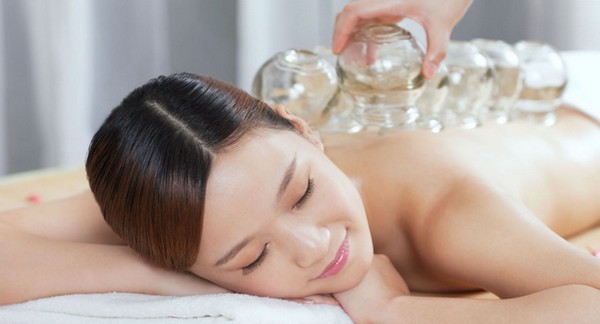
Cupping massage therapy combines massage techniques with cups that create suction against the skin. Depending on the treatment, the cups may remain stationary for a short period or glide across oiled skin as part of a moving cupping massage.
The pulling sensation makes cupping feel very different from ordinary massage. Traditional massage generally presses down into the body, while a cup creates negative pressure that gently lifts the skin and superficial tissues into the cup.
Cupping is associated particularly with Traditional Chinese Medicine, although similar practices have existed in different cultures. Today, UK massage therapists may incorporate modern silicone or plastic cups into treatments alongside Swedish, deep tissue, sports or other massage techniques.
What Is Cupping Massage Therapy?
Cupping massage uses specially designed cups to create suction on the surface of the body. The cups may be made of silicone, plastic, glass, or other suitable materials, depending on the practitioner's method.
A therapist can use cupping as a standalone complementary treatment or combine it with hands-on massage during the same appointment.
For example, a practitioner might begin with ordinary massage across the back and shoulders, place cups over selected muscular areas for a period, and then continue with massage after removing them.
Alternatively, flexible cups can be moved across lubricated skin, creating a treatment sometimes called moving cupping or sliding cupping massage.
Cupping Does Not Have to Mean Wet Cupping
Massage therapists generally use dry cupping, where suction is created without cutting or intentionally drawing blood. Wet cupping is a distinct practice that involves controlled skin incisions and requires additional hygiene, infection control, and practitioner considerations.
How Does Cupping Massage Work?
The therapist places a cup against the skin and removes some of the air from inside it. This creates a pressure difference that causes the skin to rise slightly into the cup.
The amount of suction can usually be adjusted according to the type of cup and the practitioner's technique.
The sensation is therefore quite different from conventional massage. Instead of a hand pressing into a muscle, you feel the tissue being gently drawn upwards.
Traditional Chinese explanations may describe cupping in terms of qi, meridians and the movement of stagnation. These concepts are part of Traditional Chinese Medicine and should not be confused with established anatomical structures or proven mechanisms in conventional medicine.
Different Types of Cupping Massage
Stationary Cupping
Cups are placed on selected areas and left in position for a short period before being removed.
Moving Cupping
Oil is applied to the skin so that a cup can be moved across larger areas while maintaining gentle suction.
Silicone Cupping
Flexible silicone cups allow the practitioner to create suction manually and can be useful for both stationary and moving techniques.
Pump Cupping
Some plastic cupping systems use a hand-operated pump that allows the practitioner to control the amount of suction.
Stationary Cupping
With stationary cupping, the therapist creates suction and leaves the cup in one position for a period of time.
This approach is responsible for the distinctive circular marks most people associate with cupping.
The practitioner may place several cups around areas such as the upper back and shoulders, although the number and positioning depend on the treatment.
Stationary cups should not simply be left in place at maximum suction. The practitioner should monitor both your comfort and your skin condition.
Moving or Sliding Cupping Massage
Moving cupping combines suction with a massage-like gliding movement.
The therapist applies oil or another suitable massage medium before creating relatively gentle suction inside the cup. The cup can then be moved along the skin rather than remaining fixed.
This produces a distinctive pulling sensation across a larger area and may leave less clearly defined circular marks than stationary cupping, although temporary redness can still occur.
Moving cupping is commonly used over broader muscular areas such as the back or legs.
What Does Cupping Feel Like?
The most noticeable sensation is pulling or tightness underneath the cup.
Gentle suction may feel unusual but comfortable. Stronger suction feels progressively tighter and can become uncomfortable if it is excessive.
Moving cupping adds a sliding sensation as the cup travels across the skin.
Cupping should not feel sharply painful. Tell the therapist if the suction is too strong, rather than assuming that stronger suction yields better treatment.
Why Does Cupping Leave Circular Marks?
Stationary suction can cause temporary discolouration where the cups were attached.
The colour may range from pink or red to darker red or purple depending on the individual, the suction level, treatment duration and other factors.
These marks should not be described as toxins leaving the body. Nor does a darker mark automatically mean that a particular area was more unhealthy or required stronger treatment.
How Long Do Cupping Marks Last?
Cupping marks normally fade naturally, although the time varies considerably between people. They may remain visible for several days and occasionally longer. Consider this before booking if the treated area will be visible at work, during sport or at a special event.
Does Cupping Massage Hurt?
Cupping can feel strong, particularly when higher suction is used, but significant pain should not be treated as necessary.
A therapist should start conservatively, especially if you have never tried cupping before.
The suction can usually be reduced easily. With moving cupping, the therapist can also change the speed, direction and amount of suction.
If you experience sharp pain, burning, numbness or another concerning sensation, tell the practitioner immediately.
Why Do People Choose Cupping Massage?
People book cupping for many reasons. Some are interested in Traditional Chinese Medicine, while others enjoy the unusual pulling sensation or want to combine cupping with their usual massage.
Cupping may particularly appeal if you:
- want to try a treatment that feels different from conventional massage;
- enjoy focused work around areas of muscular tension;
- want cupping incorporated into a broader massage appointment;
- are interested in traditional Chinese bodywork practices;
- prefer moving cupping across large muscular areas;
- already receive deep tissue or sports massage and want to compare another approach.
Claims that cupping detoxifies the body, boosts immunity, treats internal diseases or cures chronic medical conditions should be approached cautiously. It is more appropriately presented as a complementary treatment rather than a substitute for medical care.
Cupping Massage vs Standard Massage
| Feature | Cupping Massage | Standard Massage |
|---|---|---|
| Main force | Suction lifts the skin into the cup | Hands apply pressure into the body |
| Tools | Cups are used | Mainly hands, fingers, forearms or elbows |
| Skin marks | Temporary marks can occur | Visible circular marks are not normally expected |
| Movement | Cups may stay still or glide across the skin | Massage techniques normally move directly across the tissues |
| Sensation | Pulling and tightness | Compression, kneading, gliding or focused pressure |
Cupping Massage vs Deep Tissue Massage
Both treatments may be chosen by people who prefer stronger bodywork, but the techniques are fundamentally different.
Deep tissue massage uses slower, targeted manual pressure applied through the therapist's hands, fingers, forearms or elbows.
Cupping creates suction instead. Moving cupping can then glide this suction across the skin.
A therapist may combine the two within one appointment, but stronger pressure is not automatically better. Using intense deep tissue techniques immediately around heavily cupped areas may also be uncomfortable, so the treatment should be planned sensibly.
Cupping and Chinese Massage
Cupping is strongly associated with Traditional Chinese Medicine and is sometimes offered alongside Tui Na.
A practitioner may provide manual Chinese bodywork first and then introduce cups over selected areas.
If you are interested in a broader traditional treatment, you may want to compare cupping with Chinese Tui Na massage and pressure-based bodywork.
Cupping vs Acupuncture
Cupping and acupuncture may appear together on Traditional Chinese Medicine treatment menus, but they work very differently.
Cupping uses suction applied at the skin surface. Acupuncture uses fine needles inserted at selected points.
Training in one treatment does not automatically mean a practitioner is appropriately trained to provide the other.
What Happens During a Cupping Massage Appointment?
The practitioner should first ask about your health, medication, skin and what you want from the session.
Massage Preparation
If massage is part of the appointment, the therapist may begin with hands-on techniques before introducing the cups.
Cup Placement
The practitioner selects appropriate cups and creates a controlled amount of suction.
For stationary cupping, the cups remain in selected locations. For moving cupping, oil allows them to glide across the skin.
Monitoring the Treatment
The practitioner should check both your comfort and how the skin is responding rather than simply leaving the cups unattended for an unnecessarily long period.
Removing the Cups
Suction is released before each cup is removed. Pulling a strongly attached cup directly away from the body without releasing the seal is not an appropriate technique.
Finishing With Massage
Some therapists finish with gentler massage around the treated areas, depending on the treatment plan and how the skin has responded.
Dry Cupping vs Wet Cupping
Dry cupping creates suction without intentionally breaking the skin.
Wet cupping involves creating small skin openings so that a limited amount of blood is drawn into the cup.
These should be treated as substantially different procedures.
The massage services discussed on this page primarily relate to dry cupping and moving cupping massage. Wet cupping introduces additional infection-control, hygiene and bleeding considerations and should only be performed within an appropriate professional setting by someone suitably trained for that procedure.
Is Cupping Massage Safe?
Cupping can cause temporary marks and skin tenderness even when treatment is performed correctly.
Other possible problems include persistent discolouration, blistering, burns or infection, particularly if poor technique or unsuitable equipment is used.
Tell the Practitioner Before Cupping If You Have:
- a bleeding disorder or unusually easy bruising;
- medication that affects bleeding or clotting;
- fragile or very sensitive skin;
- eczema, psoriasis or another active skin condition in the proposed treatment area;
- open wounds, burns or skin infection;
- a recent injury or operation;
- significant varicose veins in the proposed treatment area;
- a history of blood clots or other significant circulation concerns;
- pregnancy or possible pregnancy;
- another health condition that could affect whether suction treatment is appropriate.
If you are unsure whether cupping is appropriate because of a medical condition or medication, seek suitable healthcare advice before treatment.
Cupping Massage During Pregnancy
Pregnancy requires additional caution.
Tell the practitioner that you are pregnant before booking rather than waiting until the appointment begins.
Some areas, positioning and suction levels may be inappropriate or require modification. A practitioner providing cupping during pregnancy should also understand considerations for pregnancy massage, rather than treating a pregnant client with an ordinary cupping routine.
If the pregnancy is high risk or complicated, ask your midwife or another appropriate healthcare professional whether complementary treatment is suitable.
Can Cupping Be Used Over Varicose Veins?
Strong suction should not simply be applied directly over prominent varicose veins.
If you have varicose veins, tell the practitioner before treatment so they can decide which areas should be avoided or modified.
Can You Exercise After Cupping?
There is no universal rule requiring everyone to avoid exercise for a fixed number of hours.
However, recently cupped areas may feel tender, and the skin may remain sensitive. If the treatment was relatively strong, you may prefer to wait until the area feels comfortable before engaging in intense training or activities that involve pressure on the marks.
Listen to how the treated area feels rather than following rigid detoxification or recovery claims.
Do You Need to Drink Extra Water After Cupping?
Normal hydration is sensible, but there is no need to force large amounts of water in an attempt to flush toxins released by cupping.
The circular marks are a local response to suction, not evidence that toxins are being drawn through the skin.
Can Cupping Massage Be Provided at Home?
Dry and moving cupping can be suitable for mobile appointments when the practitioner has appropriate portable equipment and can maintain good hygiene outside a fixed treatment room.
Silicone and pump-operated cups are particularly practical to transport.
If you prefer treatment at home, Massages Me can help you find mobile cupping massage therapists providing professional home treatments across the UK.
Cupping at Massage Centres and Wellness Venues
Cupping is also available through massage centres, Traditional Chinese Medicine practices and some wellness venues.
A fixed treatment setting can be useful when the practitioner offers several related therapies or uses a wider collection of specialist equipment.
You can compare UK massage centres, wellness venues and spas offering cupping and complementary treatments through Massages Me.
How Much Does Cupping Massage Cost in the UK?
There is no standard UK price for cupping massage therapy.
Some therapists include cupping within the price of a longer massage appointment, while others charge for it as a separate treatment or optional addition.
| Pricing Factor | Why It Matters |
|---|---|
| Treatment length | A short, focused cupping appointment may be priced differently from a full massage session. |
| Massage included | Cupping may be offered alone or combined with a longer hands-on massage. |
| Practitioner training | Specialist experience in cupping and massage can influence fees. |
| UK location | Professional treatment prices vary between London, major cities and regional areas. |
| Mobile treatment | Travel time, distance and parking can affect the price of a home visit. |
Choosing a Cupping Massage Therapist
Cupping requires more than simply buying a set of cups and attaching them to the skin.
The practitioner needs to understand appropriate suction, treatment duration, skin response, hygiene and when cupping should not be used.
Questions Worth Asking
- Have you completed specific training in cupping therapy?
- Do you provide dry, stationary or moving cupping?
- Is cupping combined with massage during the appointment?
- What type of cups do you use?
- How do you clean and disinfect reusable equipment?
- How do you control the strength of suction?
- What marks should I realistically expect afterwards?
- Do you hold appropriate professional insurance for cupping?
Avoid practitioners who describe very dark marks, pain or blistering as proof that the body has been successfully detoxified.
Massages Me allows you to compare professional cupping massage therapists and complementary massage treatments available across the UK, review individual services and contact practitioners directly before booking.
Preparing for Cupping Massage
Preparation is straightforward.
- Tell the practitioner about medication and conditions affecting bleeding or bruising.
- Mention skin conditions, allergies and recent injuries.
- Do not apply cupping over sunburned or damaged skin.
- Consider whether temporary marks will be inconvenient during the following days.
- Tell the therapist immediately if suction feels painful or excessively strong.
Aftercare for Cupping Marks
The treated area may feel warm, tight or mildly tender after the cups are removed.
Avoid scratching or aggressively rubbing the marks. Normal gentle washing is usually sufficient unless the practitioner gives you a specific reason to do otherwise.
If you develop blistering, signs of infection, significant persistent pain or another unexpected reaction, seek appropriate medical advice.
Related Treatments
Finding Cupping Massage Near You in the UK
Cupping massage is available from specialist massage therapists, Traditional Chinese Medicine practitioners, sports massage providers and some wellness centres across the UK.
Before booking, check which type of cupping is offered, whether massage is included, how strong the suction normally is and what training the practitioner has completed.
Temporary marks are a normal possibility with stationary cupping, but pain, excessive suction and extravagant medical claims should not be treated as signs of a higher-quality treatment.
Looking for Cupping Massage in the UK?
Compare professional therapists, mobile massage providers and treatment venues on Massages Me, then contact practitioners directly about dry or moving cupping, massage combinations, session lengths, prices and availability near you.