Balinese Massage London & Near You

Find Balinese Massage treatments in London, UK & Near You!

Balinese massage is a traditional Indonesian full-body treatment that has become one of the most sought-after spa and wellness therapies in the UK. Drawing on centuries of healing practice from the island of Bali, it blends influences from Indonesian, Chinese, and Indian traditions into a single, deeply immersive experience. The result is a treatment that feels both nurturing and genuinely therapeutic.

What sets Balinese massage apart from many other styles is its range. A skilled therapist moves between long, flowing strokes and more focused deeper work, incorporating acupressure, gentle stretching, skin rolling, and aromatherapy within a single session. This variety is exactly what makes it so effective: the body receives both the soothing quality of a relaxation massage and the meaningful physical release of a more structured session.

For people who find pure relaxation massages too light, or deep tissue work too intense, Balinese massage often sits in exactly the right place. It is warm, fluid, and grounding, while still addressing real areas of tension and fatigue.

Key Takeaway: Balinese massage is a warm-oil, full-body wellness treatment that blends deep and gentle techniques to promote relaxation, circulation, and balance. Combining long gliding strokes, kneading, acupressure, stretching, and aromatherapy, it offers a restorative experience suited to those seeking both physical relief and deep mental calm.

The Origins and Traditions of Balinese Massage

Balinese massage has its roots in the healing traditions of Bali, an island whose culture is deeply shaped by Hindu-Buddhist philosophy and a longstanding belief in the interconnection of physical, spiritual, and energetic well-being. Traditional Balinese healers, known as Balian, have practised forms of therapeutic bodywork for generations as part of a broader system of community health and spiritual care.

Over time, Balinese massage absorbed influences from the surrounding region. Indonesian herbal medicine contributed its knowledge of botanical oils and plant-based remedies. Chinese medicine brought the concept of qi, the body's vital energy, and the importance of maintaining its flow through pressure-point work. Indian Ayurvedic traditions added their understanding of touch, warmth, and the therapeutic role of oils in nourishing both skin and deeper tissues.

A Blend of Three Healing Traditions

The multi-cultural foundation of Balinese massage is not incidental. It reflects the historical position of Bali as a meeting point of trade routes, spiritual influences, and healing knowledge across Southeast and South Asia. Each tradition contributed something distinct to the practice as it exists today.

The Three Traditions at Its Core:

  • Indonesian Healing: A focus on full-body care, herbal oils, and the role of touch in restoring balance and vitality across the whole system rather than isolated areas.
  • Chinese Medicine: The concept of qi and the use of acupressure points to release blockages, improve energy flow, and support organ function through targeted manual work.
  • Indian Ayurveda: The therapeutic use of warm oils, the importance of the skin as a route for nourishment, and the understanding of touch as a means of supporting the nervous system and deeper tissues simultaneously.

This layered heritage is what gives Balinese massage its distinctive quality: it does not feel like any single tradition but carries the warmth and depth of all three.

What to Expect During a Balinese Massage Session

A Balinese massage session typically begins with a brief consultation. Your therapist will ask about your areas of tension, any physical concerns, and your preference for pressure. This shapes how the session unfolds, particularly around the balance between flowing relaxation work and deeper therapeutic attention.

Treatment is usually performed on a massage table using warm oils, often blended with essential oils chosen for their relaxation or revitalising properties. The therapist works from the feet upward, progressing through the legs, back, shoulders, arms, neck, and head with a continuous, unhurried rhythm. Transitions between areas are smooth and deliberate, maintaining the sense of flow throughout.

Typical Session Structure (60-90 Minutes)

  1. Initial Consultation (5-10 minutes): Discussion of tension areas, pressure preferences, and any health conditions or sensitivities to inform oil and technique selection.
  2. Oil Preparation (5 minutes): Therapist selects and warms an appropriate oil blend, typically incorporating essential oils suited to your needs and the treatment goals.
  3. Full-Body Treatment (45-65 minutes): Systematic progression from feet to head using the full range of Balinese techniques: long strokes, kneading, skin rolling, acupressure, stretching, and rhythmic compression.
  4. Head, Neck and Scalp Work (5-10 minutes): Focused attention on the upper body to release tension held in the neck, shoulders, and scalp and to complete the full-body experience.
  5. Rest and Integration (5-10 minutes): A quiet period following treatment to allow the body to settle, the oils to absorb, and the nervous system to integrate the session.
  6. Post-Treatment Guidance (5 minutes): Hydration advice, aftercare recommendations, and guidance on follow-up frequency.

Core Techniques Used in Balinese Massage

Balinese massage is defined by its variety. Rather than repeating a single stroke style throughout the body, a skilled therapist moves fluidly between techniques depending on the area being worked on and what the tissue needs. This adaptability is one of the things clients respond to most strongly: the treatment feels attentive and responsive rather than mechanical.

Long Gliding Strokes

Long effleurage-style strokes form the connective thread of a Balinese massage session. Applied with the full length of the hand and forearm, they spread warm oil across large areas of the body, warm the superficial tissues, and create the steady rhythm that gives the treatment its distinctive flow. These strokes also serve as transitions between deeper work, allowing the body to receive and integrate before the next phase begins.

The direction of strokes generally follows the body's circulatory pathways, supporting venous return and encouraging lymphatic movement. The pace is unhurried and continuous, building the deep relaxation response for which Balinese massage is known.

Kneading and Petrissage

Where muscle tension accumulates, the therapist shifts into kneading movements that compress, lift, and release the soft tissue. This is particularly common across the shoulders, upper back, calves, and thighs, areas that carry the greatest load for most people. The pressure here is more focused and can range from moderate to firm, depending on the client's preference and the level of tension.

Kneading in Balinese massage is applied with a rhythmic, rolling quality rather than static pressure. This keeps the tissue responsive and prevents the discomfort that can arise from sustained deep work without adequate preparation.

Skin Rolling

Skin rolling is a distinctive technique in which the therapist gently lifts and rolls the superficial layers of skin between the fingers, working across the back and other larger areas. It improves the pliability of the connective tissue just beneath the skin, encourages local circulation, and stimulates the nerves in the superficial tissue layer.

Many clients find skin rolling surprisingly effective at releasing areas of tightness that deeper pressure alone does not fully reach. It is also one of the techniques that makes Balinese massage feel notably different from a standard relaxation treatment.

Acupressure and Pressure-Point Work

Drawing on the Chinese medical tradition within Balinese practice, therapists apply sustained or rhythmic pressure to specific points along the body's energy pathways. The aim is to release blockages in the flow of qi, encourage the body's self-regulating responses, and address areas of chronic tension that do not yield to surface-level work alone.

Acupressure work in a Balinese session is typically applied with the thumbs, fingertips, or knuckles and is concentrated around the feet, legs, back, and shoulders. The sensation ranges from mild pressure to a firm, targeted feeling that most clients find both effective and satisfying.

Gentle Stretching

Balinese massage incorporates passive stretching at key points in the session, particularly around the legs, hips, shoulders, and neck. The therapist guides the limb or joint through its range of movement without requiring any effort from the client. This releases tension held deep in the joint capsule and surrounding muscles, improves flexibility, and creates a sense of physical openness that pure massage strokes do not always achieve.

The stretches used in Balinese massage are gentle and well-supported. They are more akin to assisted yoga-style holds than the more active joint mobilisation found in Thai massage, making them accessible and comfortable for most people.

Rhythmic Compression

At various points in the session, particularly across the back and thighs, the therapist applies rhythmic compression using the palms or forearms. This creates a broadening effect across the muscle belly, encourages blood and lymphatic flow, and has a deeply sedating effect on the nervous system when applied consistently and slowly.

Compression is often used as a bridge between deeper techniques and flowing strokes, maintaining the body's sense of being held and worked without abrupt transitions in pressure or pace.

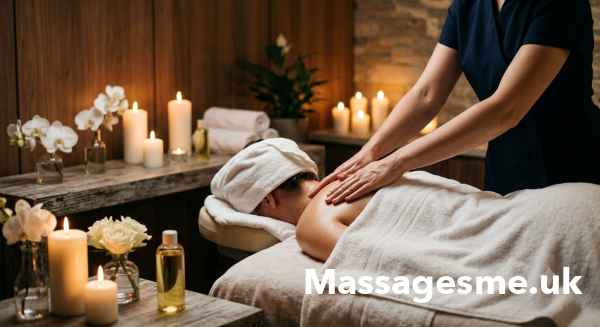
Professional Balinese aromatherapy massage treatment using warm aromatic oils demonstrating traditional techniques and full-body care

Aromatherapy: An Essential Part of Balinese Massage

Aromatherapy is not an optional add-on in Balinese massage. It is woven into the treatment itself. Essential oils are selected before the session begins and are blended into the carrier oil used throughout, contributing both to the physical experience and to the broader sensory environment that defines Balinese bodywork.

Common Essential Oils and Their Roles

  • Lavender: The most widely used oil in relaxation-focused Balinese treatments. Associated with calming the nervous system, reducing anxiety, and supporting sleep quality. Its gentle floral scent creates an immediate sense of ease.
  • Lemongrass: A staple of Balinese and Indonesian spa culture. Warming, uplifting, and traditionally associated with circulation support and muscular relief. Its citrus-herbal quality adds an energising counterpoint to the deeper relaxation work.
  • Ginger: Warming and grounding, ginger oil is often incorporated when muscle stiffness or fatigue is a factor. It complements the deeper pressure techniques used in Balinese massage and supports the treatment's circulatory benefits.
  • Frangipani: A flower native to tropical Asia, frangipani carries a rich, sweet scent strongly associated with Balinese spa culture. It is primarily used for its sensory and atmospheric qualities, contributing to the immersive character of the experience.
  • Bergamot: Light and citrus-forward, bergamot adds a mood-lifting quality to blends and is often included in treatments focused on stress relief and emotional balance.
  • Ylang Ylang: A deeply floral oil traditionally associated with calming the mind and reducing nervous tension. Often blended with lavender for treatments focused on anxiety or sleep disruption.

The specific blend used in your session will vary depending on your therapist's training, the spa or clinic's house oils, and what your consultation has identified as the treatment's primary focus. A qualified aromatherapist or Balinese massage practitioner will select oils purposefully rather than arbitrarily.

Health Benefits of Balinese Massage

Physical Benefits

Circulatory and Lymphatic Support:

  • Improved Blood Circulation: The combination of long strokes, compression, and warmth encourages arterial and venous circulation throughout the body, supporting the delivery of oxygen and nutrients to tired tissues.
  • Lymphatic Stimulation: Rhythmic movements along lymphatic pathways support the body's natural drainage and immune function, particularly beneficial for those with sedentary lifestyles or post-travel fatigue.
  • Oxygenation of Tissues: Enhanced circulation improves the oxygenation of both superficial and deeper muscle tissue, contributing to the sense of physical renewal that many clients describe after a session.

Musculoskeletal Benefits:

  • Muscle Tension Release: The layered combination of strokes, kneading, and compression effectively addresses tension across both the superficial and deeper muscle layers without the discomfort sometimes associated with more forceful deep tissue techniques.
  • Improved Flexibility: The gentle stretching incorporated throughout the session improves range of motion in key joints, particularly the hips, shoulders, and spine.
  • Relief from Stiffness: Balinese massage is particularly well suited to those dealing with stiffness from desk work, travel, or a physically demanding lifestyle. The variety of techniques keeps the body responsive rather than guarded.
  • Reduced Post-Exercise Soreness: The circulatory and lymphatic benefits of the treatment support recovery from physical activity, reducing delayed onset muscle soreness and improving the body's readiness for subsequent exertion.

Mental and Emotional Benefits

Stress and Nervous System Support:

  • Deep Relaxation: The slow, rhythmic quality of Balinese strokes and the warmth of the aromatic oils work together to activate the parasympathetic nervous system, shifting the body out of its stress response and into genuine calm.
  • Anxiety Reduction: The multi-sensory nature of the treatment, encompassing touch, scent, warmth, and rhythm, creates a powerful environment for reducing anxiety and mental overactivity.
  • Improved Sleep: Many clients report that Balinese massage significantly improves their ability to fall asleep and remain asleep following treatment, particularly after a course of regular sessions.
  • Mood Support: The combination of physical release and aromatic stimulation has a measurable effect on mood, reducing the emotional weight of chronic stress and leaving clients feeling lighter and more settled.

Energy and Vitality:

  • Restored Energy Flow: From the perspective of Chinese medicine that informs Balinese practice, the acupressure elements of the treatment help clear blockages in the body's energy pathways, restoring a more natural sense of vitality.
  • Mental Clarity: Following the deep relaxation of a Balinese session, clients frequently describe improved mental focus and a reduction in the mental noise associated with stress and fatigue.
  • Sense of Renewal: The full-body nature of Balinese massage, covering the feet, legs, back, arms, neck, and head within a single session, creates a comprehensive sense of physical and mental reset.

Wellness Benefits in Context

The benefits of Balinese massage are best understood within a holistic wellness framework. The treatment does not make medical claims, but its combination of established massage techniques, aromatherapy, and circulatory stimulation produces outcomes that are widely reported and consistent with the broader evidence base for therapeutic massage.

Research into massage therapy more generally supports its role in reducing cortisol levels, improving heart rate variability, reducing perceived pain, and supporting immune function. Balinese massage, with its breadth of techniques, is well-positioned to deliver these effects, alongside the additional benefits of targeted essential-oil use and the energetic balancing work associated with its acupressure elements.

Balinese Massage Compared to Other Treatments

Massage Type Primary Focus Pressure Level Best For Duration
Balinese Massage Full-body relaxation, circulation, balance Light to moderately deep Stress, stiffness, fatigue, overall wellness 60-90 minutes
Swedish Massage Relaxation and circulation Light to moderate Stress relief, first-time clients 60-90 minutes
Deep Tissue Massage Chronic tension and injury recovery Firm to deep Chronic pain, sports injuries 60-90 minutes
Thai Massage Flexibility, energy lines, active stretching Variable, often firm Flexibility, energy, active bodies 60-120 minutes
Ayurvedic Massage Dosha balance, skin nourishment Light to moderate Nervous system, skin, holistic balance 60-90 minutes
Hot Stone Massage Deep relaxation, heat therapy Light to moderate Stress, muscle tension, warmth 75-120 minutes

Who Is Balinese Massage Best Suited To?

Ideal Candidates

Those Who Want More Than Basic Relaxation:

  • Between Styles: Balinese massage is a strong choice for people who find Swedish massage too light but are not ready for or interested in the intensity of deep tissue work. It occupies a genuinely useful middle ground.
  • Physically Active People: Those who exercise regularly and experience muscular fatigue or stiffness benefit strongly from the combination of circulatory support, stretching, and deeper kneading that Balinese massage provides.
  • Frequent Travellers: Long-haul travel creates a specific combination of postural strain, circulatory sluggishness, and nervous system fatigue that Balinese massage addresses particularly well.

Those Dealing with Stress and Mental Fatigue:

  • Work-Related Stress: The full-body nature of Balinese massage and its aromatic environment make it one of the most effective treatments for people carrying the physical and mental weight of demanding work.
  • Sleep Difficulties: The deep nervous system relaxation produced by the treatment, combined with calming essential oils, is particularly beneficial for those dealing with disrupted or unrestorative sleep.
  • Mental Overload: People who feel mentally saturated often respond well to the sensory richness of Balinese massage, which gives the mind something to rest within rather than requiring it to be still.

Those New to Eastern-Influenced Massage:

  • Accessible Introduction: Balinese massage offers a comfortable entry point into treatments that incorporate acupressure and stretching, without the intensity or unfamiliarity of styles such as Thai or Shiatsu.
  • Spa and Wellness Seekers: For those looking for a premium spa experience with genuine therapeutic depth, Balinese massage is one of the most complete options available in a standard spa setting.
  • Gift Experiences: The sensory, immersive quality of Balinese massage makes it a popular and well-received choice for wellness gift experiences and special occasions.

Safety Considerations and Contraindications

Important Safety Information: Balinese massage is suitable for most healthy adults, but certain conditions require prior consultation with a healthcare provider or modification of the treatment. Always inform your therapist of any health conditions, medications, allergies, or recent injuries before your session begins.

Conditions Requiring Medical Consultation

  • Fever, acute infection, or contagious illness
  • Open wounds, bruising, or active skin conditions in treatment areas
  • Pregnancy, particularly during the first trimester (specialist prenatal therapist recommended)
  • Severe cardiovascular conditions or uncontrolled high blood pressure
  • Blood clotting disorders or recent deep vein thrombosis
  • Active cancer treatment (requires oncologist approval)
  • Severe osteoporosis or bone fragility
  • Known essential oil allergies or significant skin sensitivities (inform your therapist before oil selection)
  • Recent surgery or healing wounds in potential treatment areas

Choosing a Qualified Balinese Massage Therapist

  • Relevant Training: Look for therapists who have completed specific training in Balinese massage technique, not just a general massage qualification. Balinese massage requires knowledge of its combined techniques and the traditions that inform them.
  • Professional Registration: Registration with the Complementary and Natural Healthcare Council (CNHC) or the Federation of Holistic Therapists (FHT) assures professional standards, insurance, and ongoing development.
  • Consultation Practice: A qualified therapist will always conduct a consultation before treatment begins. This is not optional. It determines oil selection, pressure, and which techniques are appropriate for your current condition.
  • Aromatherapy Knowledge: Given the central role of essential oils in Balinese massage, your therapist should be able to explain what oils are being used and why, and should ask about allergies and sensitivities before the session.
  • Insurance: Confirm that your therapist holds current professional liability insurance.

Balinese Massage Pricing Across the UK

UK Balinese Massage Pricing Guide (2025)

Service Type 60 Minutes 90 Minutes 120 Minutes
London Premium Spas £90-£160 £130-£220 £175-£300
London Professional Clinics £65-£110 £95-£160 £135-£220
Regional UK Cities £50-£95 £75-£135 £105-£185
UK Average (Mid-Range) £45-£85 £70-£120 £95-£165
Mobile Services (London) £75-£135 £110-£185 £150-£255
Mobile Services (Regional) £55-£105 £85-£150 £120-£205

Factors That Affect Balinese Massage Pricing

  • Essential Oil Quality: Authentic therapeutic-grade essential oils carry a higher cost than synthetic fragrance alternatives. Spas and therapists using genuine botanical oils will reflect this in their pricing.
  • Therapist Experience: Practitioners with specialist Balinese massage training and significant experience typically charge more than those offering it as one technique among many.
  • Location: London and major UK cities command premium rates. Mobile services carry an additional convenience charge on top of the base treatment cost.
  • Facility and Environment: The atmosphere of a dedicated spa, including ambient design, heated tables, and additional sensory elements, contributes to the overall experience and is reflected in higher pricing at premium venues.
  • Session Length: Longer sessions allow for a more complete treatment, including fuller attention to the head, neck, and feet. The 90-minute format is generally recommended for a first Balinese massage experience.
  • Package Deals: Many spas and independent practitioners offer multi-session packages at reduced per-session rates. This is worth exploring for those planning regular treatment.

What Our Clients Say

"I had tried Swedish massage and found it pleasant, but never quite enough. Balinese massage was the answer. The pressure was deeper and more varied, and the essential oils created an experience that felt genuinely different from anything else I had tried. I left feeling physically looser and mentally clear in a way that lasted for days." - Rebecca Hartley, Project Manager, London
"After a long-haul flight back from Singapore, I booked a Balinese massage through Massages Me, and it was exactly what I needed. The therapist worked from my feet upward, addressing every area of stiffness I had developed on the plane. The ginger and lemongrass oils were perfect. I was genuinely restored by the end of it." - Tom Fielding, Commercial Director, Manchester
"I was sceptical about the acupressure elements, but they turned out to be my favourite part. The therapist applied pressure to points around my shoulders and neck that released tension I had been carrying for months. Combined with the stretching and the warmth of the oils, it was one of the most effective treatments I have ever had." - Aoife Brennan, Physiotherapist, Dublin
"As someone who trains five times a week, I needed something that addressed real muscular fatigue rather than just surface-level relaxation. Balinese massage did that. The kneading and compression work was thorough, and the stretching at the end of the session noticeably improved my hip flexibility. I now book monthly as part of my recovery routine." - Marcus Webb, Personal Trainer, Bristol
"I bought a Balinese massage as a gift for my partner's birthday, and she was completely won over. She described it as the most relaxing experience she has ever had. The combination of the oils, the full-body coverage, and the therapist's quality made it genuinely special. We have since booked couples sessions and made it a regular treat." - Helen Forsythe, Architect, Edinburgh

Pairing Balinese Massage with Complementary Treatments

Balinese massage naturally combines with a range of other wellness and treatments. When chosen thoughtfully, complementary sessions can extend and deepen the benefits of Balinese bodywork as part of a broader approach to physical and mental wellbeing.

  • With Aromatherapy Massage: A dedicated aromatherapy session allows for deeper focus on essential oil selection and therapeutic scent work, building on the aromatic foundation that is already central to Balinese massage.
  • With Hot Stone Therapy: The addition of heated basalt stones deepens the warmth and relaxation of Balinese work, making it particularly effective during cooler months or for those carrying deep muscular tension.
  • With Swedish Massage: Alternating between Swedish and Balinese massage provides varied therapeutic input and suits those who want to explore different approaches to full-body relaxation.
  • With Deep Tissue Massage: For clients with persistent areas of chronic tension, combining a Balinese session with targeted deep tissue work addresses both the whole-body picture and specific problem areas more comprehensively.
  • With Reflexology: Reflexology extends the pressure-point work inherent in Balinese massage and provides a focused, complementary treatment for the feet that reinforces systemic benefits.
  • With Couples Massage: Balinese massage is an ideal choice for shared wellness experiences. Its sensory richness and full-body coverage make it a popular and memorable option for couples seeking a restorative treatment together.
  • With Prenatal Massage: Adapted Balinese techniques, performed by a specialist prenatal therapist and using pregnancy-safe oils, can safely support expectant mothers beyond the first trimester.

Conclusion: A Complete Wellness Experience

Balinese massage offers something relatively rare in the world of therapeutic bodywork: genuine breadth without loss of depth. Its combination of long strokes, kneading, skin rolling, acupressure, stretching, and aromatherapy within a single session makes it one of the most complete treatment experiences available in the UK spa and wellness market.

Whether you are seeking relief from physical tension, support for stress and sleep, or simply a full-body reset that goes beyond standard relaxation, Balinese massage delivers on all counts. Its blend of Indonesian, Chinese, and Indian traditions gives it a layered quality that rewards regular practice, with benefits that tend to deepen over the course of sessions.

The key to a genuinely effective Balinese massage experience is finding a therapist who has received proper training in its techniques and understands the role that aromatherapy, acupressure, and stretching each play in the overall treatment. When all elements are present and well executed, the result is a session that addresses the whole person, not just the surface.

Find a Qualified Balinese Massage Therapist Near You

Massages Me connects you with certified Balinese massage therapists across London and throughout the UK. Whether you prefer the full spa atmosphere of a dedicated wellness centre or spa, or the flexibility and convenience of a qualified therapist coming to you via mobile Balinese massage, our platform makes it straightforward to find the right match.

Browse verified profiles of experienced male massage therapists and female massage therapists trained in Balinese technique, read genuine client reviews, and book with confidence. Enter your postcode to see available therapists in your area and take your first step towards the restorative, full-body experience that Balinese massage provides.

Professional Disclaimer: The information provided in this article is for educational purposes only and does not constitute medical advice or diagnosis. Balinese massage offers significant wellness benefits but should be used in conjunction with, rather than as a substitute for, appropriate medical care. If you have a pre-existing health condition or are currently receiving medical treatment, please consult your healthcare provider before beginning any massage therapy programme.


What is Balinese massage?
Balinese massage is a traditional Indonesian full-body treatment that combines long gliding strokes, kneading, skin rolling, acupressure, gentle stretching, and aromatherapy into a single session. It draws on Indonesian, Chinese, and Indian healing traditions and is typically performed on a massage table using warm aromatic oils. The treatment is designed to promote deep relaxation, improve circulation, relieve muscle tension, and restore a sense of physical and mental balance.
What is the difference between Balinese massage and Swedish massage?
Balinese massage is generally more varied and can involve deeper pressure than Swedish massage. While Swedish massage focuses primarily on relaxation through long strokes and kneading, Balinese massage incorporates additional techniques such as acupressure, skin rolling, gentle stretching, and aromatherapy. It also draws on Eastern energy principles alongside Western-style muscle work, giving it a broader therapeutic scope. Both treatments are performed on a table with oil, but Balinese massage tends to feel more structured and multi-layered in its approach.
What oils are used in Balinese massage?
Aromatherapy is a defining feature of Balinese massage, and essential oils are blended into the carrier oil used throughout the session. Commonly used oils include lavender for relaxation, lemongrass for circulation and muscular relief, ginger for warmth and stiffness, frangipani for its rich sensory qualities, bergamot for mood support, and ylang-ylang for calming the nervous system. The specific blend varies by therapist and spa, and is often selected based on your needs discussed during the initial consultation.
What are the benefits of Balinese massage?
Balinese massage is associated with stress reduction, deep relaxation, improved blood and lymphatic circulation, relief from muscle tension and stiffness, better flexibility and range of motion, improved mood, and support for sleep quality. The combination of soothing strokes, deeper acupressure, and stretching work makes it effective for people who feel physically tired, mentally overloaded, or stiff from desk work, travel, or exercise. The aromatherapy element adds a further layer of nervous system and mood support.
Is Balinese massage painful?
Balinese massage should not be painful. While it can involve moderately deep pressure in areas of significant tension, the overall experience is designed to be fluid, controlled, and comfortable throughout. Pressure is always adjustable based on your preference and feedback during the session. If you find any technique uncomfortable at any point, communicate this to your therapist, and they will adapt accordingly. The acupressure elements may produce a firm, focused sensation, but this should feel effective rather than sharp or distressing.
How long does a Balinese massage session last?
A typical Balinese massage session lasts between 60 and 90 minutes, with 90 minutes recommended to allow for the full treatment protocol, including dedicated attention to the head, neck, and feet. Some spas and therapists offer 120-minute sessions for a more extended experience. The session includes a brief consultation at the start and a short rest period at the end. Hydration and a few minutes of quiet rest are advised after the treatment, as the depth of relaxation produced can leave clients feeling lightheaded initially.

Related Massage Treatments
Acupressure Acupuncture Aromatherapy Couples Massage Cupping Therapy Deep Tissue Massage Foot Massage Hot Stone Massage Lomilomi Massage Lymphatic Drainage Myofascial Release Pregnancy Massage Reflexology Back Massage Relaxing Massage Shiatsu Massage Swedish Massage Thai Massage Trigger Point Therapy 4 Hands Massage Sports Massage Chinese Massage Physiotherapy Full Body Massage Balinese Massage Ayurvedic Massage Bamboo Massage Indian Head Massage
Yan-C Chinese Massage & Spa In Newcastle City Centre
Onsite
Town Moor, Tyne & Wear
London Premium Mobile Massage Service - Same Day Appointments
Offsite (Mobile)
Professional Massage & Relaxation In Oxford Circus, London
Onsite & Offsite (Mobile)

Advertise with Massages Me and Grow Your Business!

We are the leading massage platform for massage therapists in London and across the UK covering all of England, Scotland, Wales and Northern Ireland. Our aim is to promote individual therapists and venues in the UK, and help professional and casual body workers providing therapeutic and relaxing massages to expand their businesses and build desirable client base.

We provide a friendly and reliable online advertising platform for qualified Masseuses, students, and salons to connect with potential clients looking for relaxing and therapeutic massages - onsite and offsite mobile services across the UK.

Are you looking to meet more customers? Get your profile listed and start getting bookings today!