Full Body Massage London & Near You

Find Full Body Massage treatments in London, UK & Near You!

Full body massage is a therapeutic, hands-on treatment that targets the body's major muscle groups in a single session. Rather than focusing on one area in isolation, it takes a whole-body approach: addressing the back, shoulders, neck, arms, legs, and feet as a connected system, releasing tension where it has built up and supporting the body's natural ability to recover and rebalance.
It is one of the most widely used forms of therapeutic bodywork, and for good reason. Most people carry tension in more than one place, and the effects of stress, poor posture, and physical exertion spread across the whole body over time. A full body massage treats that reality directly, rather than patching a single problem while leaving the rest unaddressed.

For people new to massage therapy, it is also the most practical starting point: comprehensive, adaptable, and well-suited to a wide range of needs, from active recovery to chronic stress management to straightforward physical maintenance.

Key Takeaway: Full body massage is a therapeutic treatment that uses structured hands-on techniques across the whole body to ease muscle tension, improve circulation, and promote physical and mental well-being. Adaptable in pressure and focus, it supports recovery, reduces stress, and improves mobility in a single, methodical session.

What Therapeutic Full Body Massage Actually Means

The term "full body massage" is used broadly, but in a therapeutic context, it has a specific meaning. It refers to a structured session in which the therapist works through most of the body's major muscle groups, spending meaningful time on each area rather than briefly touching every surface.

A genuinely therapeutic full body massage differs from a basic relaxation treatment in its intention and execution. The therapist is not simply applying oil and performing soothing strokes from head to toe. They are assessing tissue quality, identifying areas of tension and restriction, and applying techniques that address the body's actual needs. The result is a treatment that feels thorough, considered, and physically effective rather than merely pleasant.

Areas Covered in a Full Body Massage

A complete therapeutic session typically treats the following areas, with time allocation adjusted based on the client's specific needs and the areas of greatest tension identified during consultation.

Standard Treatment Areas:

  • Back: The upper, mid, and lower back are consistently among the highest-priority areas in a full body massage. The erector muscles, rhomboids, trapezius, and lumbar region carry much of the body's postural load and are among the first places tension accumulates.
  • Shoulders and Neck: Chronic tension in the shoulder girdle and cervical spine is extremely common, particularly among people who spend significant time at a desk or driving. These areas typically receive extended attention in a therapeutic session.
  • Legs: The hamstrings, quadriceps, calves, and hip muscles are worked to release tightness from sitting, standing, or physical activity. Leg work also has significant circulatory benefits, particularly for the lower limbs.
  • Feet: The feet bear the full load of the body and are often overlooked in everyday self-care. Foot massage supports circulation, relieves plantar tension, and has a reflexive effect on the nervous system, contributing to overall relaxation.
  • Arms and Hands: Often carrying tension from keyboard work, manual labour, or sport, the forearms, wrists, and hands benefit from regular therapeutic attention that most people rarely receive.
  • Scalp and Head: Where included, scalp massage releases tension held in the cranial muscles and has a direct calming effect on the nervous system. It is a natural conclusion to a session focused on the upper body and neck.

What to Expect During a Full Body Massage Session

A therapeutic full body massage begins with a consultation. This is not a formality. The therapist will ask about your current areas of discomfort, any injuries or health conditions that may affect treatment, your preferred pressure, and what you hope to get from the session. This information directly shapes what follows.

You will then be given privacy to undress to your comfort level and position yourself on the treatment table, covered with towels or sheets throughout. The therapist works through each body area methodically, uncovering and recovering as they go. At no point should you feel exposed or uncomfortable.

Typical Session Structure (60-90 Minutes)

  1. Initial Consultation (5-10 minutes): Health history, current tension or pain areas, pressure preference, and treatment goals. This determines focus areas and technique selection for the session.
  2. Back, Shoulders and Neck (15-20 minutes): The session typically begins with the client face down. The therapist works through the full back surface, spending additional time on identified tension areas before moving to the shoulder girdle and neck.
  3. Legs and Feet (15-20 minutes): Both legs are treated on the back surface, from the glutes through the hamstrings and calves to the feet, before the client turns over for front-of-leg work on the quadriceps, shins, and ankle.
  4. Arms and Hands (5-10 minutes): Each arm is treated in turn, from the shoulder through the forearm to the hand, with focused attention on areas of tightness around the wrist and elbow where relevant.
  5. Abdomen (5 minutes, where appropriate): Gentle abdominal work supports digestive function. It releases tension held in the core, though this area is always optional and treated only with the client's explicit consent.
  6. Scalp and Head (5-10 minutes): Where time allows, the session concludes with scalp and cranial work that calms the nervous system and completes the full-body experience.
  7. Post-Treatment Rest and Guidance (5 minutes): A brief rest period followed by hydration advice and any relevant aftercare or follow-up recommendations.

Core Techniques Used in Therapeutic Full Body Massage

A therapeutic full body massage draws on a range of manual techniques, selected and combined based on the client's needs and the therapist's assessment of the tissue. The specific style, whether Swedish-influenced, sports-oriented, or a blend, shapes the overall experience, but most full body massage treatments incorporate the following core approaches.

Long Gliding Strokes (Effleurage)

Long, flowing strokes applied with consistent pressure across large muscle areas form the structural backbone of most full body massage sessions. They spread oil evenly, warm the superficial tissue, and allow the therapist to assess the whole surface of each area before applying more focused techniques. They also serve as transitions between body regions, maintaining the sense of continuity that helps the nervous system settle and relax.

For therapeutic use, effleurage strokes are applied with enough pressure to genuinely engage the muscle rather than merely skimming the surface. Their direction follows the body's venous and lymphatic pathways, supporting circulation as well as relaxation.

Kneading (Petrissage)

Kneading techniques compress, lift, and release the muscle tissue in a rhythmic sequence, working into the deeper layers where chronic tension typically resides. This is the technique most people associate with the physically satisfying element of a massage: the direct engagement with tight muscle tissue that produces genuine, lasting release rather than surface-level comfort.

In a full body context, kneading is applied most extensively to the larger muscle groups: the trapezius, rhomboids, gluteal muscles, hamstrings, and calves. The therapist adapts the depth of pressure based on the tissue's response and the client's feedback throughout the session.

Rhythmic Pressure and Compression

Sustained or rhythmic compression applied through the palms, forearms, or thumbs has a sedating effect on the nervous system and an immediate relaxing influence on the muscle tissue beneath. It is particularly effective across the back, where broad compression along the erector muscles produces rapid release of tension without the discomfort that some clients associate with deeper, pointed work.

Compression is also used rhythmically as a preparation technique: applied to a new area before kneading or deeper strokes begin, it signals to the body that pressure is coming and reduces the guarding response that can otherwise interfere with effective treatment.

Targeted Work and Trigger Point Techniques

Where specific areas of concentrated tension are identified during the session, the therapist applies focused pressure to address them directly. This may involve sustained thumb or fingertip pressure on a trigger point, short friction strokes across a restricted area, or gentle circular movements around a joint or bony landmark.

In a full body massage context, targeted work is used selectively where the tissue clearly requires it, rather than being applied systematically across every area. This keeps the overall session feeling balanced and restorative while still producing meaningful therapeutic results where they are needed most.

Friction

Friction techniques involve small, focused movements applied with firm pressure across or along the muscle fibres, generating local heat and addressing areas of superficial restriction that longer strokes do not resolve. They are commonly used around the shoulder blades, base of the skull, and along the spine, where tension tends to concentrate in dense, localised patterns.

In therapeutic full body massage, friction is applied judiciously: effective where needed, but not overused in a way that makes the session feel punishing rather than restorative.

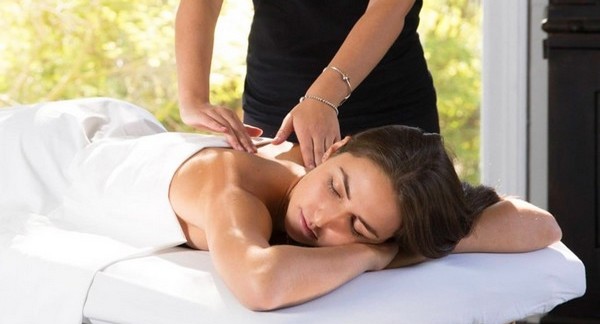
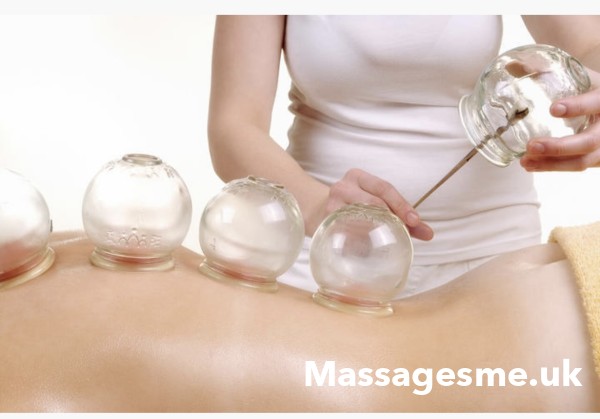
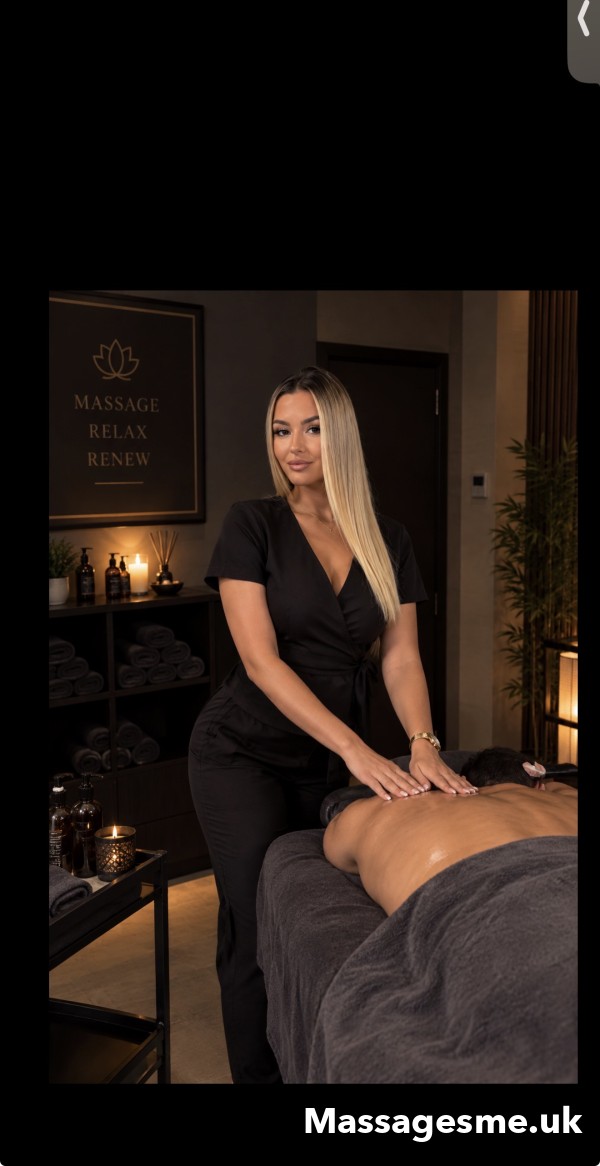
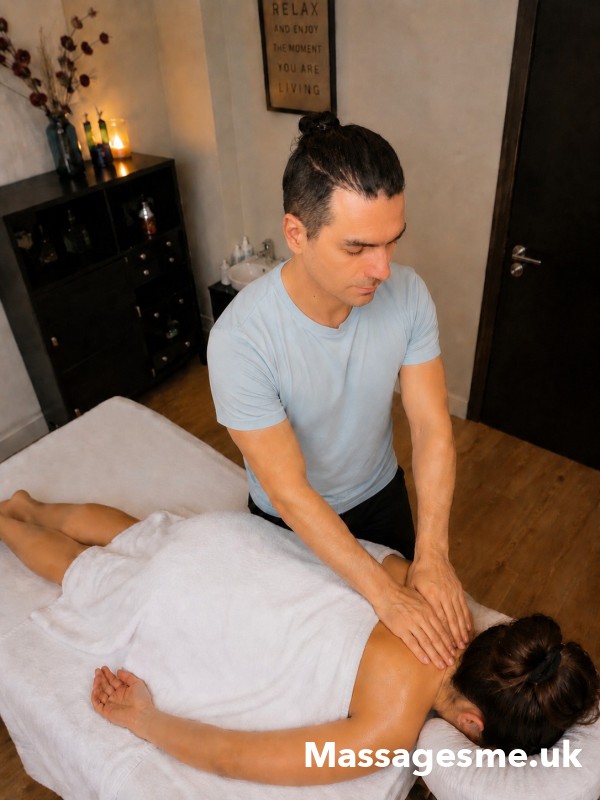
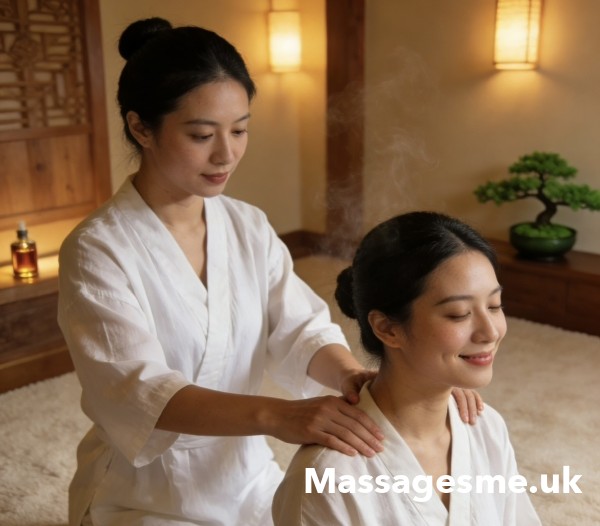
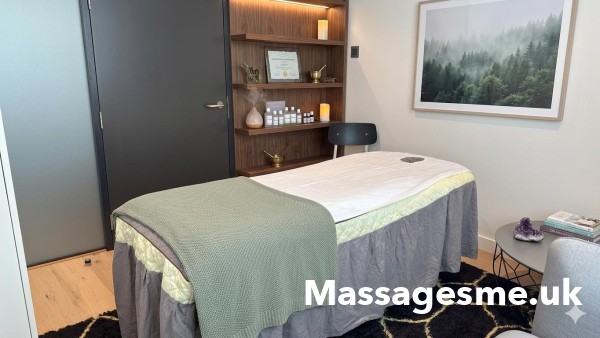
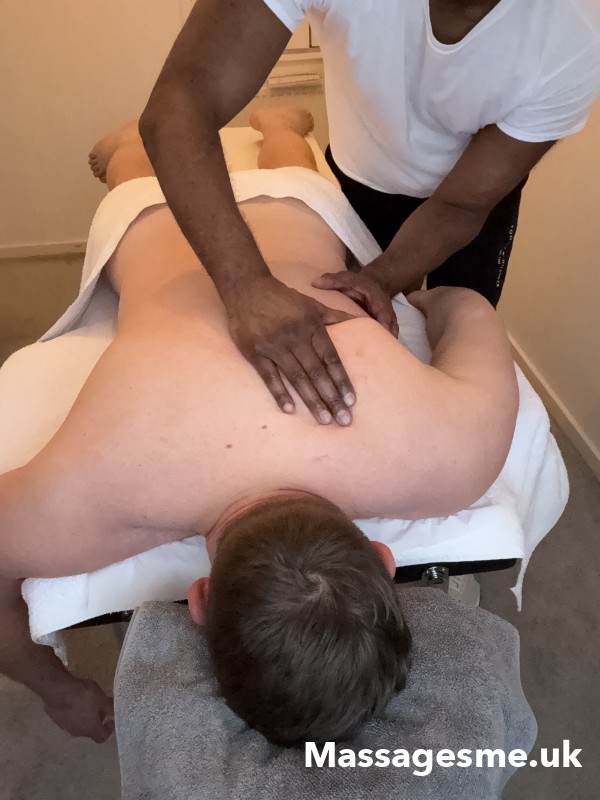
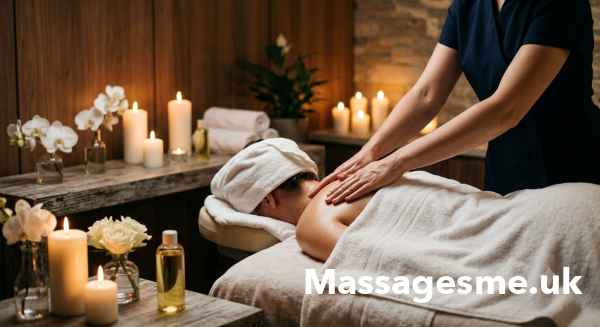
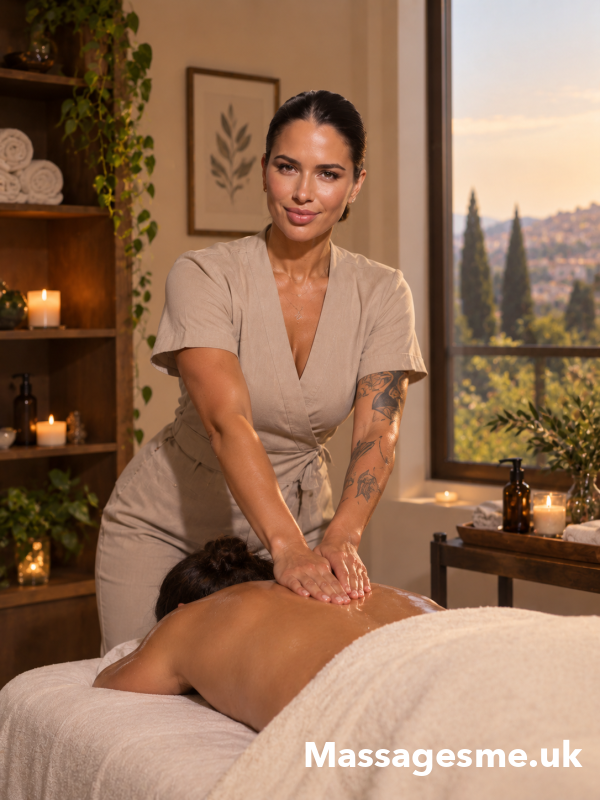
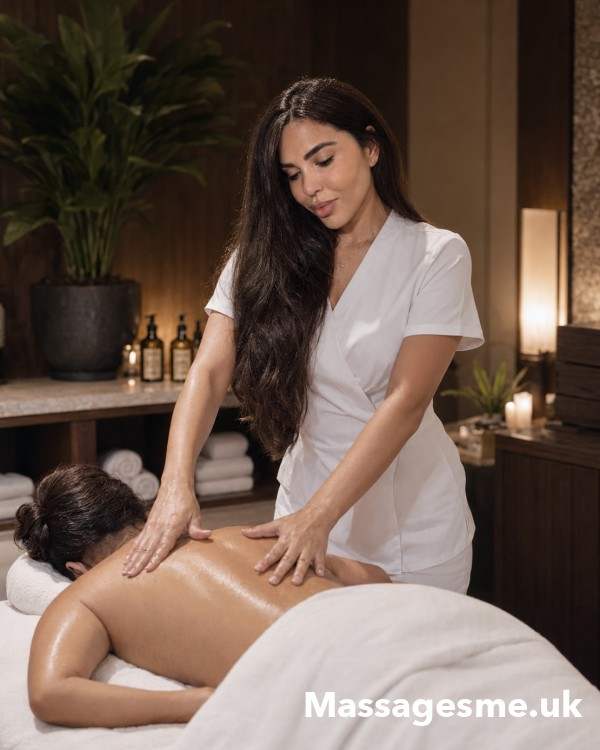
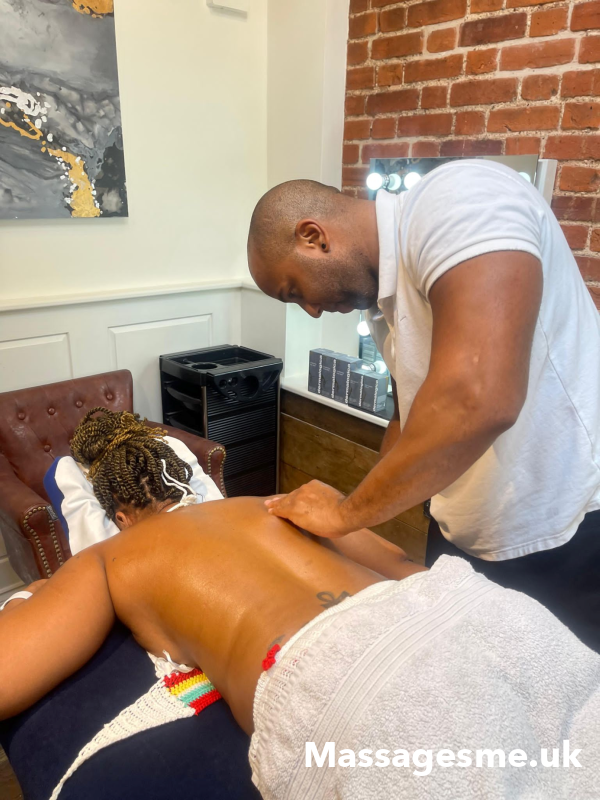
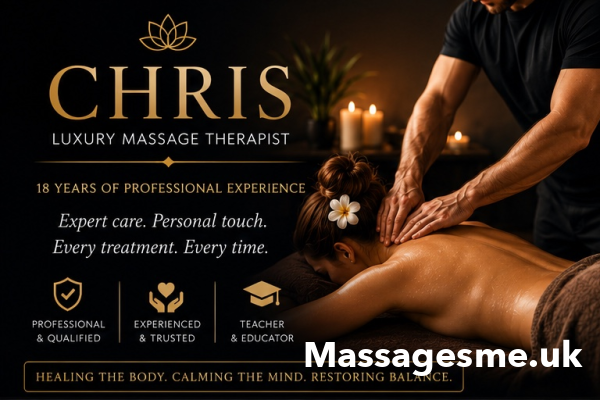
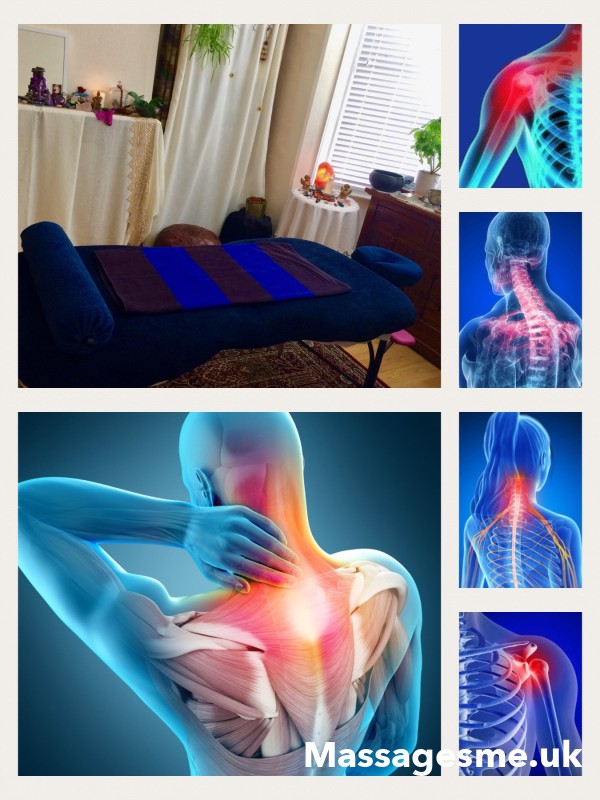
Professional full body massage treatment showing therapeutic hands-on technique applied across the back and shoulders

How Full Body Massage Differs from Other Styles

Full body massage is not a single fixed technique in the way that Swedish or Thai massage are. It is better understood as a treatment format: a whole-body session that can be delivered in different styles and at varying pressure levels, depending on the therapist's training and the client's needs. This flexibility is one of its greatest strengths.

Full Body Massage vs. Specific Treatment Styles

  • Versus Swedish Massage: Swedish massage is a specific technique-based style that typically forms the foundation of a full body relaxation massage. A therapeutic full body massage may use Swedish techniques but is more adaptable in pressure and focus, incorporating deeper work where the tissue requires it.
  • Versus Deep Tissue Massage: Deep tissue massage applies sustained, firm pressure to specific areas of chronic tension. A full body massage covers more ground with a broader range of pressure, making it more comprehensive but generally less intensive in any single area than a dedicated deep tissue session.
  • Versus Sports Massage: Sports massage is targeted and often pre- or post-event in its timing, focusing on performance, injury prevention, or acute recovery. Full body massage is less specialised and more broadly restorative, making it suitable for a wider range of clients and contexts.
  • Versus Relaxation Massage: A relaxation-only massage prioritises comfort and a pleasant sensory experience. A therapeutic full body massage shares that quality but goes further: it aims to produce measurable physical improvement in the tissues rather than temporary surface-level comfort.

Health Benefits of Therapeutic Full Body Massage

Physical Benefits

Muscle and Soft Tissue Benefits:

  • Reduced Muscle Tension: The most consistently reported benefit of full body massage, and the most directly measurable. Regular treatment reduces the accumulation of chronic tension across the body's major muscle groups, improving comfort and reducing the compensatory postural patterns that tension creates over time.
  • Pain Relief: Full body massage is widely associated with reduced pain perception, both through the direct mechanical effect on tight or restricted tissue and through the nervous system's response to sustained, skilled therapeutic touch.
  • Improved Flexibility and Range of Motion: Releasing tension in the muscles and connective tissue that surrounds the joints improves movement quality. It reduces the sense of stiffness that affects both sedentary people and those who exercise regularly.
  • Recovery Support: Following exercise, physical exertion, or minor muscular strain, full body massage supports the body's recovery processes by improving circulation, reducing delayed onset muscle soreness, and encouraging the removal of metabolic waste from the tissue.

Circulatory and Systemic Benefits:

  • Improved Circulation: The mechanical effect of massage strokes on blood vessels and lymphatic channels improves the flow of both blood and lymph throughout the body, supporting tissue nourishment, immune function, and the removal of metabolic waste.
  • Lymphatic Support: Directional massage strokes along lymphatic pathways support drainage and reduce the sense of physical heaviness and sluggishness that often accompanies stress, inactivity, or prolonged sitting.
  • Blood Pressure Support: Regular massage therapy is associated with modest reductions in blood pressure, consistent with the broader evidence base for parasympathetic nervous system activation through therapeutic touch.

Mental and Emotional Benefits

Stress and Nervous System Support:

  • Stress Reduction: Full body massage activates the parasympathetic nervous system, reducing cortisol levels and producing the physiological state associated with genuine rest. This effect is measurable, repeatable, and one of the most well-supported outcomes in the massage therapy evidence base.
  • Anxiety Relief: The combination of physical release and sustained, skilled touch has a demonstrably calming effect on anxiety, both in the session itself and in the hours and days following treatment.
  • Improved Mood: Massage therapy is associated with increased serotonin and dopamine levels, contributing to an improved emotional baseline following treatment. Many clients describe feeling both physically lighter and emotionally steadier after a full body session.
  • Better Sleep: The nervous system effects of full body massage, combined with the physical release of muscular tension, consistently support improved sleep quality. This is particularly relevant for people whose sleep is disrupted by physical discomfort or the physiological effects of chronic stress.

Cognitive and Functional Benefits:

  • Mental Clarity: Following the deep relaxation produced by a full body massage session, many clients describe improved concentration and mental focus. The reduction in background physical discomfort removes a significant source of cognitive interference.
  • Reduced Fatigue: Both physical and mental fatigue respond well to full body massage. The circulatory improvements and nervous system reset produced by the treatment contribute to a genuine sense of restored energy rather than simple short-term relaxation.
  • Greater Body Awareness: Regular therapeutic massage enhances the client's awareness of their tension patterns, postural habits, and physical responses to stress, supporting better self-care and earlier identification of areas in need of attention.

The Evidence Base for Full Body Massage

Full body massage is one of the most extensively studied forms of complementary therapy. Research across clinical and wellness settings consistently supports its effectiveness in reducing muscle tension, lowering cortisol levels, improving heart rate variability, and supporting overall psychological well-being.

A 2010 study published in the Journal of Alternative and Complementary Medicine demonstrated significant reductions in cortisol and increases in oxytocin following a 45-minute Swedish-style full body massage. Studies in clinical populations, including patients with chronic pain, cancer, and anxiety disorders, have similarly supported the role of therapeutic massage in improving quality of life and reducing symptom burden. These benefits are most reliably achieved with regular treatment rather than single sessions.

Full Body Massage Compared to Other Treatments

Massage Type Primary Focus Pressure Level Best For Duration
Full Body Massage Whole-body tension, circulation, recovery Adaptable: light to firm General wellness, stress, maintenance 60-90 minutes
Swedish Massage Relaxation and circulation Light to moderate Stress relief, first-time clients 60-90 minutes
Deep Tissue Massage Chronic tension and injury recovery Firm to deep Chronic pain, persistent tension 60-90 minutes
Sports Massage Athletic performance and recovery Variable, often firm Athletes, pre- and post-event care 30-90 minutes
Hot Stone Massage Deep relaxation through heat Light to moderate Stress, muscle tension, warmth 75-120 minutes
Balinese Massage Full-body balance, aromatherapy Light to moderately deep Stress, stiffness, spa wellness 60-90 minutes

Who Is Therapeutic Full Body Massage Best Suited To?

Ideal Candidates

People Carrying Widespread Tension:

  • Desk Workers and Commuters: Those who spend long hours sitting accumulate tension across the neck, shoulders, lower back, and hips simultaneously. A full body session addresses all of these in a single treatment rather than requiring multiple targeted appointments.
  • Those with Stress-Related Physical Symptoms: Stress manifests physically across the whole body, not in one location. Full body massage is uniquely well-positioned to address this systemic picture, reducing the muscular, circulatory, and nervous system effects of sustained stress in a comprehensive way.
  • People Returning to Regular Treatment: For those who have not had a massage for some time and are restarting a wellness routine, a full body session provides the most useful overview of the body's current state and the broadest initial therapeutic benefit.

Active People and Those in Physical Recovery:

  • Regular Exercisers: Muscles subjected to consistent physical training accumulate fatigue and micro-damage across multiple groups. A full body massage supports recovery more comprehensively than targeted sports massage alone, particularly where training involves the whole body.
  • Post-Injury Recovery: Following a period of reduced movement or compensation after an injury, a full body massage addresses the tension patterns that develop in unaffected areas that have been overworking to compensate.
  • Manual Workers: People whose work involves physical labour develop occupational tension patterns that typically span the whole body. Full body massage addresses these patterns systematically and supports ongoing physical capacity.

Those Focused on Ongoing Wellness:

  • Preventive Health Focus: Regular full body massage as a maintenance treatment prevents the accumulation of tension patterns before they become painful or restrictive, supporting long-term physical health rather than reactive care.
  • Older Adults: Full body massage adapted in pressure for older clients supports circulation, joint mobility, skin health, and the nervous system in ways that have a measurable effect on physical comfort and quality of life.
  • First-Time Massage Clients: For people new to therapeutic massage, a full body session is the most informative and broadly beneficial starting point, giving both therapist and client a comprehensive picture of where the body carries tension and how it responds to treatment.

Safety Considerations and Contraindications

Important Safety Information: Therapeutic full body massage is suitable for most healthy adults. However, certain health conditions require prior consultation with a healthcare provider, and all clients should inform their therapist fully before the session begins. The therapist may modify technique, pressure, or treatment areas based on the information provided.

Conditions Requiring Medical Consultation

  • Fever, acute infection, or contagious illness
  • Open wounds, bruising, or active skin conditions in treatment areas
  • Pregnancy, particularly during the first trimester (specialist prenatal therapist recommended)
  • Severe cardiovascular conditions or uncontrolled high blood pressure
  • Blood clotting disorders or recent deep vein thrombosis
  • Active cancer treatment (requires oncologist approval)
  • Severe osteoporosis or significant bone fragility
  • Recent surgery or healing wounds in potential treatment areas
  • Varicose veins (direct pressure on affected areas must be avoided)
  • Inflammatory arthritis during an acute flare

Choosing a Qualified Full Body Massage Therapist

  • Recognised Qualifications: Look for therapists holding a Level 3 or Level 4 massage therapy qualification from a recognised awarding body. For therapeutic rather than purely relaxation-focused treatment, Level 4 and above provides the anatomical and clinical knowledge required for effective, safe work.
  • Professional Registration: Registration with the Complementary and Natural Healthcare Council (CNHC) or the Federation of Holistic Therapists (FHT) ensures the therapist meets defined professional standards, holds appropriate insurance, and commits to ongoing development.
  • Consultation Practice: A qualified therapeutic massage therapist will always conduct a pre-treatment consultation. If a therapist proceeds without one, this indicates a lack of professional rigour that should give you pause.
  • Adaptability: A skilled therapist will adjust technique, pressure, and focus based on what they find during the session rather than applying a fixed routine regardless of the tissue's response. Ask about this approach when booking.
  • Insurance: Confirm that your therapist holds current professional liability insurance before proceeding.

Full Body Massage Pricing Across the UK

UK Full Body Massage Pricing Guide (2025)

Service Type 60 Minutes 90 Minutes 120 Minutes
London Premium Spas and Clinics £80-£150 £120-£210 £165-£280
London Professional Therapists £60-£105 £90-£150 £125-£205
Regional UK Cities £45-£85 £70-£125 £95-£170
UK Average (Mid-Range) £40-£75 £60-£110 £85-£150
Mobile Services (London) £70-£125 £100-£175 £140-£235
Mobile Services (Regional) £50-£95 £75-£140 £105-£185

Factors That Affect Full Body Massage Pricing

  • Therapist Qualification Level: Therapists with Level 4 qualifications, specialist training, or significant clinical experience charge more than those with basic Level 3 certification. For therapeutic rather than purely relaxation-focused work, more highly qualified therapists generally deliver better outcomes.
  • Location: London and major UK cities command significantly higher rates than smaller towns. Within London, central and West End locations carry a premium over outer areas.
  • Facility Type: Premium spa environments with high-quality tables, heated rooms, and additional sensory elements are priced accordingly. Independent therapists working in clinic rooms or offering mobile services typically offer more competitive rates for comparable technical quality.
  • Session Length: A 90-minute session allows genuine full-body coverage, including the feet, arms, and scalp that are often compressed or omitted in a 60-minute format. For a therapeutic full body massage, 90 minutes is the recommended minimum.
  • Mobile vs. In-Clinic: Mobile services offer the convenience of treatment at home and typically charge a moderate premium over fixed-location rates to cover travel. The quality of the treatment itself is determined by the therapist's skill, not the setting.
  • Package Deals: Regular clients benefit from multi-session packages, which many therapists and clinics offer at a meaningful per-session reduction. Monthly treatment packages are a cost-effective way to maintain a consistent therapeutic routine.

What Our Clients Say

"I had been putting off getting a massage for years, telling myself it was an indulgence I did not need. A full body therapeutic session completely changed that perception. The therapist spent real time on my lower back and shoulders, where I carry most of my tension, and I left feeling physically different to when I walked in. I now book monthly without hesitation." - Karen Ashworth, NHS Practice Manager, Sheffield
"After training for a marathon, I booked a full body massage through Massages Me to support my recovery. The therapist adapted the session to focus on my legs and glutes while still covering my upper body, which had tightened up considerably from the training load. The circulatory difference was noticeable almost immediately, and my recovery time improved significantly." - James Okafor, Secondary School Teacher and Runner, Bristol
"I work long days as a surgeon and carry tension throughout my whole body from the sustained concentration and physical positioning the work requires. Full body massage is the most effective reset I have found. My therapist in London is thorough, knowledgeable, and consistently delivers a session that leaves me physically and mentally restored for the week ahead." - Dr. Amelia Chandra, Consultant Surgeon, London
"My GP suggested therapeutic massage as part of managing my chronic lower back pain. I was hesitant at first, but the therapist I found through Massages Me was excellent: she explained everything she was doing, checked in on pressure throughout, and treated my whole body rather than just my back. The improvement after six sessions has been genuinely significant." - Robert Pearce, Retired Civil Engineer, Norwich
"As a mother of three young children, by the end of the week, my body is a collection of aches from lifting, carrying, and sustained physical activity. A 90-minute full body massage once a month has become my single most important act of self-care. The therapist addresses everything from my neck to my feet, and I genuinely feel like a different person by the end of it." - Siobhan Murray, Primary School Teaching Assistant, Belfast

Pairing Full Body Massage with Complementary Treatments

Therapeutic full body massage works well as a standalone treatment and also as part of a broader wellness or recovery routine. These complementary approaches extend and deepen their benefits when used together thoughtfully.

  • With Deep Tissue Massage: For clients with persistent areas of chronic tension, alternating full body sessions with targeted deep tissue work ensures both broad coverage and the intensive specific attention that some areas require.
  • With Sports Massage: Active clients benefit from combining the whole-body recovery focus of full body massage with the performance and injury-prevention approach of sports massage across a regular treatment schedule.
  • With Swedish Massage: Swedish massage provides a lighter, technique-specific complement to therapeutic full body work, useful when the body needs recovery rather than deeper intervention between more intensive sessions.
  • With Hot Stone Therapy: Heated stones extend the warming, circulatory benefits of a full body session and are particularly effective for clients dealing with deep muscular tension or who are sensitive to colder ambient temperatures.
  • With Aromatherapy Massage: Adding a dedicated aromatherapy element to a full body session, or alternating the two, provides additional nervous system support through essential oil selection alongside the physical therapeutic work.
  • With Reflexology: Reflexology provides a focused complement to full body massage, working through the feet's reflex connections to support systemic health and extend the session's circulatory and nervous system benefits.
  • With Prenatal Massage: Adapted full body massage, delivered by a specialist prenatal therapist, supports expectant mothers through the physical demands of pregnancy with appropriate modifications to positioning, pressure, and treatment areas.

Conclusion: The Most Practical Form of Therapeutic Self-Care

Therapeutic full body massage is not a luxury category. It is a practical, evidence-supported approach to physical maintenance that most people would benefit from incorporating into their regular routine. The body accumulates tension, circulatory sluggishness, and nervous system fatigue continuously. A structured full body massage session addresses all of these systematically in a way that no other single intervention reliably achieves.

Its adaptability is perhaps its greatest strength. Whether you need light, soothing work to support stress management, moderate pressure to address postural tension, or firmer techniques to support physical recovery, a therapeutic full body massage can deliver all of these within a single, well-structured session. The key is working with a therapist who has the qualifications, consultation practice, and manual skills to read the body and adapt accordingly.

Used regularly, a full body massage maintains the physical freedom and mental ease that most people only notice they have lost once it has been absent for some time. That is its real value: not a single transformative session, but a consistent investment in how the body feels and functions over the long term.

Find a Qualified Full Body Massage Therapist Near You

Massages Me connects you with trained, qualified massage therapists offering full body therapeutic sessions across London and throughout the UK. Whether you prefer the environment of a professional spa or wellness clinic or the convenience of a skilled therapist coming to you via mobile full body massage, our platform makes finding the right professional straightforward.

Browse verified profiles of experienced male massage therapists and female massage therapists, read genuine client reviews, and book with confidence. Enter your postcode to see available therapists in your area, compare qualifications and specialisms, and take the first step towards consistent, effective therapeutic care for your whole body.

Professional Disclaimer: The information provided in this article is for educational purposes only and does not constitute medical advice or diagnosis. Full body massage therapy offers significant wellness benefits but should be used in conjunction with, rather than as a substitute for, appropriate medical care. If you have a pre-existing health condition or are currently receiving medical treatment, please consult your healthcare provider before beginning any massage therapy programme.


What does a full body massage include?
A full body massage typically covers the back, shoulders, neck, arms, legs, and feet in a single session. Many therapists also include the hands and scalp, where time allows. The session is structured to work through each area methodically, with additional focus given to the parts of the body where tension is most concentrated.
How often should I get a full body massage?
For general wellness and stress management, a monthly full body massage is a practical and effective starting point for most people. Those dealing with chronic muscle tension or high levels of occupational stress often benefit from fortnightly sessions. Athletes and people in physically demanding work may find weekly treatment supports their recovery. Your therapist will be able to advise on frequency after your first session.
Is a full body massage suitable if I have never had a massage before?
Yes. A full body massage is one of the most appropriate starting points for first-time clients. The consultation at the beginning of the session allows your therapist to understand your comfort level, any areas of concern, and your pressure preference before treatment begins. Pressure is always adjustable throughout, and there is no obligation to include any area you are not comfortable with.
What should I do before and after a full body massage?
Before your session, avoid eating a heavy meal within an hour of your appointment and arrive a few minutes early to allow time for your consultation. After the session, drink plenty of water to support the circulatory and lymphatic effects of the treatment. Avoid strenuous exercise or alcohol for the remainder of the day. Some clients feel temporarily tired after a thorough massage, so resting briefly before returning to demanding activity is advisable.
What is the difference between a full body massage and a deep tissue massage?
A full body massage covers all major muscle groups across the whole body and adapts in pressure depending on the client's needs and what the therapist finds during the session. Deep tissue massage applies sustained, firm pressure to specific areas of chronic tension and is more focused on particular muscles or regions. A full body massage may incorporate deep tissue techniques where needed, but its primary aim is comprehensive whole-body treatment rather than targeted intensive work on isolated areas.
Are there any conditions that make a full body massage unsuitable?
Full body massage is suitable for most healthy adults, but certain conditions require caution or prior medical consultation. These include fever or acute infection, blood clotting disorders or recent deep vein thrombosis, uncontrolled high blood pressure, active cancer treatment without oncologist approval, and open wounds or skin conditions in treatment areas. Pregnancy requires a specialist prenatal therapist, particularly during the first trimester. Always inform your therapist of your full health history before the session begins.

Related Massage Treatments
Acupressure Acupuncture Aromatherapy Couples Massage Cupping Therapy Deep Tissue Massage Foot Massage Hot Stone Massage Lomilomi Massage Lymphatic Drainage Myofascial Release Pregnancy Massage Reflexology Back Massage Relaxing Massage Shiatsu Massage Swedish Massage Thai Massage Trigger Point Therapy 4 Hands Massage Sports Massage Chinese Massage Physiotherapy Full Body Massage Balinese Massage Ayurvedic Massage Bamboo Massage Indian Head Massage
Massage, Physio, Sports Injury - Mobile Therapist Covering York & Pickering, North Yorkshire
Onsite & Offsite (Mobile)
The Healing Touch Massage In Southwest London
Onsite
Clapham Common, London
Relaxing And Chinese Cupping Massage Near Brighton & Hove
Onsite
London Premium Mobile Massage Service - Same Day Appointments
Offsite (Mobile)
Lana Massage Expert
Onsite
Brompton, London
Professional Male Massage Therapist In Central London
Offsite (Mobile)
The Most Professional Massage
Onsite & Offsite (Mobile)
St Giles, London
Fernando - Brazilian Certified Masseur In London
Onsite & Offsite (Mobile)
Chinatown, London
Ultimate Wellness Massage For Men & Women In Shoreditch And Marylebone
Onsite & Offsite (Mobile)
By Milena | Massage & Relaxation For Gentlemen In Oxford Circus, London
Onsite & Offsite (Mobile)
Mobile Male Massage Therapist In London
Offsite (Mobile)
Hammersmith, London
Sebastian Mobile Mobile Therapy In London
Onsite & Offsite (Mobile)
Harringay, London
Profesional Deep Tissue Massage
Offsite (Mobile)
Cubitt Town, London
Relaxing Four Hands Professional Massage In London
Onsite
Professional Masseur For Men And Women
Onsite & Offsite (Mobile)
Colindale, London
Relaxing Massage Treatments In West Kirby
Onsite
West Kirby, Merseyside
Willian Massage Therapist In North West London
Onsite & Offsite (Mobile)
Yan-C Chinese Massage & Spa In Newcastle City Centre
Onsite
Town Moor, Tyne & Wear
Professional Massage And Cupping Therapist
Onsite & Offsite (Mobile)
Queen's Wood, London
Brazilian Body Therapist In Kensington
Onsite & Offsite (Mobile)
South Kensington, London
Massage Therapist In Peckham
Onsite & Offsite (Mobile)
Peckham, London

Advertise with Massages Me and Grow Your Business!

We are the leading massage platform for massage therapists in London and across the UK covering all of England, Scotland, Wales and Northern Ireland. Our aim is to promote individual therapists and venues in the UK, and help professional and casual body workers providing therapeutic and relaxing massages to expand their businesses and build desirable client base.

We provide a friendly and reliable online advertising platform for qualified Masseuses, students, and salons to connect with potential clients looking for relaxing and therapeutic massages - onsite and offsite mobile services across the UK.

Are you looking to meet more customers? Get your profile listed and start getting bookings today!