Indian head massage, often associated with the term Champissage, is a focused treatment for the scalp, neck, shoulders, upper back and sometimes the face and upper arms. It is commonly performed with the client seated and fully clothed, making it one of the most practical massage treatments for short appointments, workplace settings, and clients who prefer not to undress.
The treatment can be performed dry or with oil. Some practitioners use traditional Ayurvedic-style scalp oils, while others provide the massage without oil so clients can return to work or continue their day without product in the hair.
Indian head massage is best understood as a focused upper-body relaxation treatment rather than a medical solution for headaches, sleep problems or other health conditions. The main appeal is the combination of scalp massage, neck and shoulder work and a format that requires very little preparation.
What Is Indian Head Massage?
Indian head massage developed from traditional Indian scalp and head massage practices and has been adapted into a structured complementary treatment commonly offered in the UK.
Modern treatments typically extend beyond the scalp and include the shoulders, neck and upper back. Some therapists also include the face, jaw, temples and upper arms.
This broader coverage is useful because many clients who book head massage also want attention around the shoulders and neck rather than scalp work alone.
Indian Head Massage Is Usually a Seated Treatment
Unlike most full-body massages, Indian head massage can often be performed in an ordinary chair with the client remaining clothed. Some therapists also provide it on a massage table, so check the format if positioning matters to you.
What Happens During an Indian Head Massage?
The therapist will normally begin with a short consultation about pressure, areas of tension, scalp sensitivity, oil preference and relevant health information.
Shoulders and Upper Back
The treatment often starts with kneading, compression and rhythmic movements around the shoulders and upper back.
Neck
The therapist may then work around the sides and back of the neck using controlled massage and gentle movement where appropriate.
Neck techniques should remain comfortable and should not involve aggressive or forceful manipulation.
Scalp
Scalp work may include circular finger movements, kneading, gentle friction and broader sweeping strokes across the head.
Face and Temples
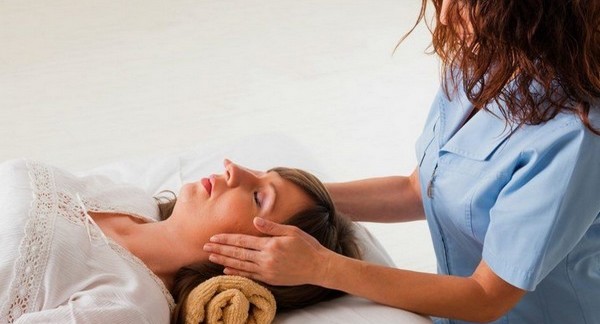
Some therapists include light massage around the temples, forehead, jaw and other facial areas.
If you do not want face massage, this can be left out.
Finishing the Treatment
The therapist may end with lighter scalp or shoulder movements and allow a short pause before you stand.
How Long Does Indian Head Massage Last?
Short appointments may last around 20 to 30 minutes, while fuller treatments often last 45 to 60 minutes. Longer sessions allow more time for the shoulders, neck, face and upper arms rather than concentrating mainly on the scalp.
Techniques Used in Indian Head Massage
Kneading
Kneading is commonly used across the shoulders, upper back and neck using controlled squeezing and lifting movements.
Scalp Circles
Small circular finger movements may be used across different areas of the scalp at a comfortable pressure.
Compression
Broader palm pressure can be applied across the shoulders or upper back without relying on very deep pressure.
Light Percussion
Some therapists use gentle tapping or rhythmic movements across the scalp or shoulders as part of the treatment.
Sweeping Movements
Longer sweeping movements may connect the different areas of the treatment and create a smoother transition between scalp, shoulders and neck.
Pressure-Point Techniques
Practitioners with Ayurvedic or acupressure-influenced training may include focused pressure on selected areas around the head, face or neck.
Traditional systems may describe these as marma or energy points. These concepts belong to traditional practice rather than established anatomical structures.
Do You Need to Undress for Indian Head Massage?
No, not usually.
Indian head massage is commonly performed over clothing, particularly when the treatment is provided in a seated position.
This makes it suitable for new people to massage, who prefer not to undress or want a treatment that fits easily into a working day.
Loose or comfortable clothing around the shoulders and neck is generally easier for the therapist to work around than thick jackets or restrictive collars.
Is Oil Used in Indian Head Massage?
Oil is optional.
Some treatments are completely dry, while others use oil on the scalp and hair.
If oil is used, common choices may include sesame, coconut or herbal Ayurvedic-style preparations. Different therapists use different products.
The traditional associations attached to particular Ayurvedic oils should not be confused with proven medical effects.
Tell the Therapist About Scalp or Product Sensitivities
If you have allergies, sensitive skin, an active scalp condition or have previously reacted to oils or hair products, tell the therapist before anything is applied.
Indian Head Massage With Oil vs Dry Treatment
| Feature | With Oil | Dry Treatment |
|---|---|---|
| Hair | Oil is usually left in the hair until washed out | No oily residue |
| Scalp technique | Allows smoother rubbing and massage movements | More friction-based and dry scalp techniques |
| Best suited to | Clients happy to have oil applied to the scalp | Workplace, lunchtime or practical appointments |
| Preparation afterwards | You may want to wash your hair later | Usually no special preparation needed |
Why Do People Choose Indian Head Massage?
The treatment is particularly popular because it is short, practical and focused on areas where many people notice everyday tension.
It may appeal if you:
- want massage of the scalp, neck and shoulders rather than the whole body;
- prefer to remain fully clothed;
- want a shorter appointment;
- work at a desk or computer for long periods;
- enjoy scalp or facial massage;
- want a treatment that can be provided in a workplace or home setting;
- are interested in Indian or Ayurvedic-inspired massage traditions.
The treatment can be calming and enjoyable without making broader claims that it treats headaches, anxiety, insomnia or hair-loss conditions.
Indian Head Massage for Neck and Shoulder Tension
The shoulders and neck are major parts of most Indian head massage treatments, so the appointment can be useful when these are the areas you particularly want massaged.
The therapist may use kneading, compression and controlled neck movements rather than concentrating only on the scalp.
If you need very firm or highly targeted work around the neck and upper back, a dedicated back or deep tissue treatment may provide more time for those areas.
Can Indian Head Massage Help Headaches?
Some people find gentle massage around the scalp, neck and shoulders comfortable when they experience ordinary muscular tension.
However, headaches have many possible causes and should not automatically be treated as a massage problem.
Frequent, severe, new or unexplained headaches deserve appropriate assessment rather than repeated massage alone.
Indian Head Massage and Screen-Related Tension
People who spend long periods at a computer may notice tight shoulders, neck stiffness or facial tension by the end of the day.
A short upper-body massage can be an enjoyable break from prolonged sitting and concentration.
Massage does not permanently correct workstation setup, posture or visual strain, so practical changes to working habits may also matter.
Indian Head Massage vs Full Body Massage
The most obvious difference is treatment coverage.
Full body massage covers several major areas in one session, while Indian head massage concentrates mainly on the upper body and scalp.
If you want a massage of the legs, feet, back and arms as well as the shoulders, a full body treatment makes more sense.
If your priority is a shorter scalp, neck and shoulder appointment, Indian head massage is more focused.
Indian Head Massage vs Ayurvedic Massage
The two share Indian and Ayurvedic associations, but the treatment formats differ considerably.
Ayurvedic Abhyanga massage uses warm oil across the body and is generally a longer full-body treatment.
Indian head massage is much more concentrated and can be performed completely dry and clothed.
Indian Head Massage vs Back Massage
A back massage gives more time to the back, shoulder blades and lower back, while Indian head massage spreads attention across the shoulders, neck and scalp.
If your main problem is lower-back tension, Indian head massage is unlikely to provide enough coverage.
If your main preference is scalp and upper-body massage, it may be the more suitable treatment.
Indian Head Massage vs Reflexology
Both can be offered as relatively short complementary treatments and can usually be provided without undressing.
However, reflexology focuses mainly on mapped areas of the feet and hands, while Indian head massage works directly on the scalp, neck and shoulders.
The choice therefore depends largely on which type of treatment and body area you prefer.
Indian Head Massage in the Workplace
The seated, clothed format makes Indian head massage particularly practical for workplaces, events and corporate wellness days.
A therapist can provide shorter appointments without setting up a full massage table or requiring employees to change clothing.
For workplace services, check how much space the therapist requires, how long each appointment lasts and whether treatments are delivered in an adequately private and quiet area.
Can Indian Head Massage Be Provided at Home?
Yes. It is one of the easiest massage treatments to provide during a home visit because only minimal equipment is required.
Depending on the therapist, a suitable chair may be enough, although some practitioners bring their own massage chair or use a portable treatment table.
If you prefer treatment at home, Massages Me can help you find mobile Indian head massage therapists offering seated home treatments across the UK.
Indian Head Massage at Spas and Wellness Centres
Indian head massage is available at spas, beauty and wellness centres, complementary therapy practices and independent massage rooms.
Some venues offer it as a standalone short treatment, while others include it within longer spa packages or combine it with another massage.
You can compare UK spas and wellness centres offering Indian head and scalp massage treatments through Massages Me.
How Much Does Indian Head Massage Cost in the UK?
There is no fixed national price.
Because Indian head massage is often shorter than a full-body treatment, the total appointment price may be lower, although the price per minute varies considerably between providers.
| Pricing Factor | Why It Can Affect the Cost |
|---|---|
| Session length | Short 20 to 30-minute treatments and longer sessions have different pricing. |
| Oil use | Specialist Ayurvedic or scalp oils may affect how the service is priced. |
| UK location | Professional massage prices differ between London, major cities and regional areas. |
| Treatment setting | Spas, workplace services and independent therapists use different pricing structures. |
| Mobile appointment | Travel time, parking and distance may affect the cost of a home visit. |
Is Indian Head Massage Safe?
Indian head massage is suitable for many people, but the head and neck require sensible treatment and relevant health information should be discussed before the session.
Tell the Therapist Before Treatment If You Have:
- a recent head, neck or shoulder injury;
- a recent concussion or other head trauma;
- recent neck or spinal surgery;
- significant osteoporosis affecting the neck;
- open wounds or an active scalp infection;
- severe or unexplained headaches;
- dizziness or neurological symptoms;
- allergies or sensitivity to scalp oils;
- pregnancy or another condition that may require treatment modification.
If there are neurological symptoms, significant recent trauma or severe unexplained head or neck pain, massage should not replace appropriate medical assessment.
Indian Head Massage During Pregnancy
The seated format can make Indian head massage convenient during pregnancy because it avoids some of the positioning required for full-body massage.
However, the therapist should still know you are pregnant before treatment and adapt techniques where necessary.
If pregnancy is high risk or complicated, seek appropriate maternity or healthcare advice before booking.
How Often Should You Have Indian Head Massage?
There is no standard treatment schedule.
Some people book Indian head massage occasionally because they enjoy it, while others prefer regular appointments as part of their general wellbeing routine.
The frequency should depend on your preferences, budget and how useful you find the treatment rather than a rigid weekly or fortnightly recommendation.
Choosing an Indian Head Massage Therapist
The therapist should understand scalp, neck and shoulder massage rather than treating Indian head massage as a simple scalp rub.
Questions Worth Asking
- Have you completed specific Indian head massage training?
- Is the treatment seated or performed on a massage table?
- Which areas are normally included?
- Do you use oil or offer a dry treatment?
- Can you avoid applying products to my hair?
- How do you adapt the treatment for neck sensitivity?
- How long is the actual massage?
- Do you hold appropriate professional insurance?
Massages Me lets you compare professional Indian head massage therapists and scalp treatments throughout the UK, review provider profiles and contact therapists directly about treatment style and availability.
Preparing for Indian Head Massage
Very little preparation is required.
- Wear comfortable clothing around the neck and shoulders.
- Tell the therapist about relevant head, neck or shoulder problems.
- Decide whether you are happy to have oil applied to your scalp.
- Mention scalp sensitivity or product allergies.
- Remove large earrings or accessories that may interfere with massage.
- Tell the therapist immediately if neck work causes dizziness, pain or discomfort.
Related Upper-Body and Ayurvedic Treatments
Finding Indian Head Massage Near You in the UK
Indian head massage is available from independent therapists, mobile practitioners, spas, complementary therapy centres and some workplace massage providers throughout the UK.
Before booking, check whether the treatment is seated, whether oil is used, which areas are included and how much time is dedicated to the scalp compared with the shoulders and neck.
If convenience is important, Indian head massage is one of the easiest professional treatments to arrange in a home or workplace because it can often be provided fully clothed with minimal equipment.
Looking for Indian Head Massage in the UK?
Compare professional therapists, mobile providers and wellness venues on Massages Me, then contact practitioners directly about scalp massage, neck and shoulder work, oil options, appointment lengths, prices and availability near you.