Oncology Massage Therapy: Supporting Comfort and Wellbeing
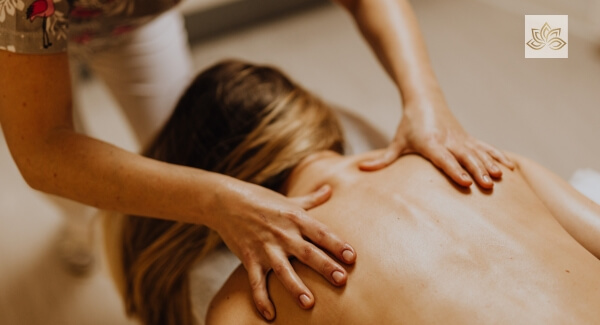
A cancer diagnosis changes almost everything. It changes how the body feels, how sleep comes, how anxiety sits in the chest, and how much of daily life is given over to treatment, waiting, and uncertainty. In the middle of all of that, oncology massage offers something that is both simple and genuinely meaningful: skilled, compassionate touch that is designed entirely around the needs of the person receiving it.
It is not a cure, and no responsible therapist or article will suggest otherwise. What it offers is something different: relief from the physical symptoms that cancer treatment so often leaves in its wake, a calmer nervous system, and the particular comfort of being cared for with skill, attention, and dignity. For many people going through treatment or survivorship, that experience is something they describe as genuinely restorative in ways that go beyond what they expected from a massage.
Oncology massage is a specialist discipline. It is not a standard spa massage delivered more gently. It requires specific training, careful clinical thinking, and a therapist who understands how cancer and its treatments affect the body and how to adapt their work safely and effectively in response. When those conditions are met, it is among the most valuable complementary therapies available in integrative cancer care.
What Oncology Massage Is and Why It Is Different
Oncology massage is defined not by a single set of techniques but by the clinical reasoning and adaptations that inform how those techniques are applied. A trained oncology massage therapist draws on a thorough understanding of cancer pathology, common treatment protocols, and their side effects to create a session that is safe, appropriate, and genuinely helpful for each client.
This is why it is a specialist field. The considerations involved in working with someone going through chemotherapy, recovering from surgery, living with lymphoedema, or managing bone metastases are significantly more complex than those involved in a standard therapeutic massage. The consequences of getting it wrong can be serious. The benefit of getting it right, consistently and with skill, can be profound.
How Oncology Massage Differs from Standard Massage
The most important differences between oncology massage and conventional therapeutic massage are not about technique in isolation. They are about the clinical knowledge required to appropriately adapt technique to a client whose physiology may be significantly affected by their diagnosis, treatment, and medications.
Key Distinctions:
- Pressure: Standard therapeutic massage often involves moderate to firm pressure applied across the whole body. Oncology massage typically uses much lighter pressure, particularly over areas affected by treatment, recent surgery, radiation, or compromised circulation. Deep pressure is generally contraindicated across much of the body for many oncology clients.
- Speed and Rhythm: Oncology massage sessions are slower, quieter, and more deliberate than standard treatments. The pace reflects both the client's physical sensitivity and the emotional register of the work.
- Treatment Areas: Certain areas of the body are avoided entirely or require very specific modification: radiation fields, surgical sites, tumour locations, lymphoedema-affected limbs, the site of a port or catheter, and areas of bone metastases all require careful, individually informed decisions.
- Session Duration: Sessions are often shorter than conventional massage. Fatigue is a near-universal feature of cancer treatment, and a session that a healthy client would find comfortable may be physically exhausting for someone in active treatment. A 30- or 45-minute session may be more appropriate than a standard 60- or 90-minute session.
- Positioning: Careful bolstering and positioning are essential. Standard prone positioning on a massage table may be uncomfortable or contraindicated for clients with surgical drains, ostomies, or significant pain. Therapists must be skilled at adapting the client's position to maximise both comfort and access.
- Psychological Dimension: Oncology massage requires a particular quality of presence from the therapist. The work takes place in the context of a life-altering illness, and the therapeutic relationship carries emotional weight that standard massage practice does not routinely involve.
Who Oncology Massage Is For
Oncology massage is not only for people in active cancer treatment. It is appropriate and beneficial at multiple points along the cancer journey, from diagnosis through active treatment, recovery, survivorship, and for those living with advanced or palliative illness. Each of these stages presents different physical realities and different therapeutic needs, and a trained oncology massage therapist will adapt their approach to the specific context of each client.
Stages Where Oncology Massage Can Help
- During Active Treatment: Chemotherapy, radiation, immunotherapy, and targeted therapy all produce significant physical and psychological side effects. Oncology massage, tailored to the current treatment protocol, can provide meaningful symptom relief, including reduced anxiety, improved sleep, and relief from fatigue and nausea.
- Post-Surgery Recovery: After surgery, carefully adapted massage can support scar tissue management, reduce postoperative anxiety, improve range of motion in affected areas, and provide the physical comfort that the body needs during a vulnerable recovery period. All work near surgical sites must be guided by medical clearance and appropriate timing.
- During Radiation Therapy: Radiation fields and the skin sensitivity they produce require very careful avoidance and adaptation, but massage on other areas of the body can continue to provide meaningful support for stress, sleep, and fatigue during a radiotherapy course.
- Survivorship and Recovery: Many people completing cancer treatment discover that the physical and emotional after-effects persist long after the treatment itself has ended. Fatigue, anxiety, neuropathy, scar tissue, joint stiffness, and hormonal changes associated with treatment can all benefit from ongoing oncology massage as part of a broader survivorship care plan.
- Palliative and End-of-Life Care: For people living with advanced cancer, gentle oncology massage can provide profound comfort, reduce pain perception, ease breathlessness, and offer a quality of compassionate human contact that is deeply meaningful during this stage of life. Work in this context is always gentle, always led by the client's expressed wishes, and always focused on comfort and dignity.
What to Expect During an Oncology Massage Session
An oncology massage session begins with a significantly more detailed consultation than a standard massage appointment. Your therapist needs to understand your diagnosis, your current and recent treatment protocols, your surgical history, your medications, your current symptoms, and any specific areas of concern or sensitivity. This is not an administrative procedure. It is the clinical foundation on which the entire session is built.
The session itself is guided entirely by what you need and what is safe on that particular day. Your therapist may ask about your energy levels and any recent changes in symptoms before beginning, because the approach may need to adjust based on where you are in your treatment cycle. You are always in control of what happens, and the therapist will check in with you throughout the process.
Typical Session Structure (30-60 Minutes)
- Detailed Consultation (10-15 minutes): Thorough review of diagnosis, treatment history, current protocol, medications, surgical sites, symptoms, comfort preferences, and any areas to be avoided. This is not abbreviated regardless of session length.
- Positioning and Preparation (5 minutes): Careful positioning using bolsters, pillows, and supports to create maximum comfort given the client's current physical needs. This may mean being seated in a chair, semi-reclined, or lying with adapted support, rather than in standard prone positioning.
- Treatment (20-40 minutes): Gentle, adapted massage across appropriate body areas, which may include the hands, feet, scalp, neck, shoulders, or other areas agreed during consultation. Pressure is consistently light, pace is slow, and the therapist monitors the client's response throughout and adapts accordingly.
- Rest and Settling (5-10 minutes): A quiet period following treatment. Moving too quickly after an oncology massage can increase dizziness or fatigue. The therapist will remain present and ensure the client feels stable before the client sits up.
- Post-Session Discussion (5 minutes): Brief discussion of how the session felt, any areas of note for future sessions, aftercare recommendations, and suggested frequency based on the client's current treatment stage.
Techniques Used in Oncology Massage
The techniques used in oncology massage are drawn from conventional therapeutic massage but applied with a level of modification, precision, and lightness that reflects the clinical context. There is no single protocol. Every session is shaped by the individual in front of the therapist.
Light Effleurage
Gentle, gliding strokes applied with minimal pressure form the foundation of most oncology massage sessions. Rather than the firm effleurage used in therapeutic or sports massage, oncology effleurage is applied with a feather-light touch that communicates warmth and presence without placing mechanical demand on compromised tissue. For many clients, this quality of touch, unhurried, attentive, and sustained, is itself profoundly therapeutic.
Strokes follow the body's lymphatic and venous pathways where circulation support is a goal. Still, the primary intention is always to calm the nervous system and provide immediate comfort to the client, rather than mechanical lymphatic drainage, which requires separate specialist training and specific clinical indications.
Gentle Holding and Stillness
In oncology massage, stillness is a technique. A therapist resting their warm hands gently on the client's shoulders, back, or feet and simply being present, without moving or applying pressure, communicates safety, care, and attentiveness in ways that active strokes alone cannot always achieve. For clients who are dealing with significant pain, sensitivity, or emotional distress, this quality of quiet, held contact can be the most meaningful part of the session.
Trained oncology massage therapists understand that the goal is not always to do more. Sometimes the most clinically appropriate and compassionate response is to slow down, hold, and allow the client's nervous system to settle at its own pace.
Adapted Kneading and Soft Tissue Work
Where it is safe to do so, very gentle kneading may be applied to specific areas of muscle tension, such as the neck and shoulders, upper back, hands, or feet. The depth is significantly lighter than in conventional massage, and the therapist continually monitors the client's response to ensure the pressure remains within a comfortable and appropriate range. Areas near lymph nodes, surgical sites, tumour locations, or radiation fields are always excluded from kneading work.
Hand, Foot, and Scalp Massage
The hands, feet, and scalp are often the primary focus areas in oncology massage, particularly for clients in active treatment where much of the body may be restricted. These areas allow for meaningful therapeutic work within safe boundaries: they are rich in nerve endings, highly responsive to gentle touch, and consistently associated with relaxation and calming of the nervous system. Foot and hand massage is also strongly valued by clients who have limited mobility or for whom lying fully prone is uncomfortable.
Scalp massage, where appropriate, is particularly well received by clients who have experienced hair loss as a side effect of treatment, providing a form of gentle, affirming physical contact in an area that may have become associated with vulnerability and change.
Breathwork and Presence
Many oncology massage therapists incorporate gentle breathwork guidance as part of their sessions, inviting the client to follow slow, deepening breaths at the start or during the session. This supports the parasympathetic response, reduces anxiety, and helps the client arrive more fully in the present moment rather than in the mental landscape of treatment schedules, medical appointments, and uncertainty. It is a simple addition with a meaningful effect.
Benefits of Oncology Massage
The benefits of oncology massage are well supported by a growing body of research conducted in cancer care settings across the UK, US, and internationally. These benefits are consistently framed as supportive outcomes that improve quality of life rather than outcomes that affect the disease process itself.
Physical Benefits
- Pain Relief: Research consistently supports the role of gentle massage in reducing pain perception in cancer patients, both from the disease itself and from treatment-related causes including postoperative discomfort, muscle aching, neuropathic pain, and general physical tension. Pain reduction is one of the most robust findings in the oncology massage evidence base.
- Fatigue Reduction: Cancer-related fatigue is one of the most debilitating and persistent symptoms associated with both active treatment and survivorship. Multiple studies, including work conducted across NHS cancer centres, demonstrate meaningful reductions in reported fatigue following oncology massage, with some effects persisting beyond the immediate post-treatment period.
- Nausea Support: Gentle massage, particularly in combination with specific pressure-point work and breathwork, is associated in several studies with reduced nausea in patients undergoing chemotherapy. While not a replacement for antiemetic medication, it offers a non-pharmaceutical complement that many clients value highly.
- Improved Range of Motion: For clients dealing with post-surgical stiffness, scar tissue, or treatment-related joint discomfort, carefully adapted massage can support gradual improvement in range of motion and physical ease over a course of sessions.
- Peripheral Neuropathy Support: Chemotherapy-induced peripheral neuropathy, affecting the hands and feet with tingling, numbness, or pain, is a common and persistent side effect of certain chemotherapy agents. Gentle massage and focused hand and foot work are often included in oncology sessions for clients dealing with neuropathy, with many reporting improved sensation, reduced discomfort, and greater functional comfort following treatment.
Mental and Emotional Benefits
- Reduced Anxiety: Anxiety is near-universal in the cancer experience. The sustained, gentle, attentive touch of oncology massage has a measurable and clinically documented effect on anxiety levels, activating the parasympathetic nervous system and reducing the physiological markers of stress in ways that pharmaceutical approaches alone often cannot achieve.
- Improved Sleep: Disrupted sleep is one of the most common and most distressing symptoms associated with cancer and its treatment. Oncology massage supports sleep quality through its anxiety-reducing and muscle-relaxing effects, and many clients report improved sleep duration and depth following regular sessions.
- Sense of Control and Agency: Cancer treatment involves a great deal of having things done to the body, often by multiple clinicians in clinical environments, without much choice in what happens or how it feels. Oncology massage offers a rare inversion of that experience: a treatment focused entirely on the client's comfort and preferences, with the client in control throughout. Clients frequently identify this sense of agency as one of the most meaningful aspects of the experience.
- Emotional Reassurance: The compassionate, non-clinical quality of skilled oncology massage touch provides a form of emotional reassurance that other cancer care settings rarely offer. Many clients describe it as the one appointment in their week that is entirely focused on how they feel rather than what is happening to them medically.
- Dignity and Nurturing: For people whose bodies have been subject to the physical assaults of surgery, chemotherapy, and radiation, being touched with skill, gentleness, and genuine care has a restorative effect on their sense of bodily dignity that clinical staff, however dedicated, are rarely able to provide within the constraints of medical appointments.
The Evidence Base for Oncology Massage
The evidence for oncology massage has grown substantially over the past two decades. A landmark 2004 study conducted at Memorial Sloan Kettering Cancer Centre involving over 1,290 cancer patients demonstrated significant reductions in pain, fatigue, anxiety, nausea, and depression following massage therapy, with an average symptom reduction of approximately 50% across the cohort. This remains one of the largest studies in the field, and its findings have been replicated and extended by subsequent research in multiple settings.
In the UK, oncology massage and touch therapy programmes are now embedded within several NHS cancer centres and hospice networks, including those operated by leading cancer charities. The Society of Oncology Massage (S4OM) and the Macmillan Cancer Support network both recognise the value of appropriately trained massage therapy within integrative cancer care, and the field continues to grow in professional recognition and clinical integration.
Safety: The Foundation of Oncology Massage
Safety is not one consideration among many in oncology massage. It is the framework within which every decision is made. A trained oncology massage therapist approaches each session with a detailed understanding of the client's current medical situation and uses this information to determine what is safe, appropriate, and beneficial for that day.
Key Clinical Considerations in Oncology Massage
The following factors require specific clinical consideration and will inform how the session is adapted, restricted, or in some cases postponed:
- Bone Metastases: Areas of known bone metastases must not receive direct pressure. The structural integrity of affected bones may be compromised, and firm pressure in these areas carries a risk of fracture.
- Lymphoedema: Clients with lymphoedema, or at significant risk of developing it following lymph node removal, require very specific adaptations. General massage of an affected limb by an unspecialised therapist can worsen lymphoedema. Manual lymphatic drainage for lymphoedema is a separate specialist qualification.
- Ports and Catheters: Areas around implanted ports, PICC lines, and other vascular access devices must be clearly identified and avoided during treatment.
- Radiation Fields: Skin in active or recent radiation fields is highly sensitive and may be fragile. These areas must be avoided during treatment.
- Blood Counts: Low platelet counts increase bruising risk significantly, and low white cell counts increase infection risk. The therapist should be aware of recent blood work, where available, and adapt pressure accordingly.
- Recent Surgery: Surgical sites must not be massaged until medically cleared. The timing and extent of post-surgical work depend entirely on the nature of the surgery and the stage of healing.
- Tumour Sites: Areas of known tumour activity must never receive direct massage pressure.
- Medications: Many cancer medications affect blood clotting, skin fragility, nerve sensitivity, and immune function. The therapist should have a working knowledge of common oncology medications and their massage implications.
- Fatigue and Current Condition: The client's energy levels and overall condition on the day of treatment always take precedence over any pre-planned session structure. A shorter, lighter session may be more appropriate than what was originally intended.
Choosing a Qualified Oncology Massage Therapist
- Specialist Oncology Training: Look for therapists who have completed a recognised oncology massage training programme from an accredited provider. In the UK, courses accredited through organisations such as the Society of Oncology Massage (S4OM) or delivered in partnership with cancer care institutions provide a meaningful benchmark of clinical competence.
- Professional Registration: Registration with the Complementary and Natural Healthcare Council (CNHC) or the Federation of Holistic Therapists (FHT) confirms that professional standards, insurance, and ongoing development requirements are being met.
- Clinical Communication: A properly trained oncology massage therapist will be comfortable discussing your diagnosis and treatment with you in detail and may recommend that you share details of your treatment plan with them before your appointment. They should also be willing to liaise with your oncology team where appropriate.
- Compassionate Practice: Ask about the therapist's experience working with cancer clients specifically, how they approach the consultation process, and how they adapt their work across different stages of treatment. The answers will tell you a great deal about the quality and safety of their practice.
- Insurance: Confirm that your therapist holds current professional liability insurance that explicitly covers oncology massage practice.
Oncology Massage Pricing Across the UK
UK Oncology Massage Pricing Guide (2025)
Oncology massage sessions are often shorter than standard therapeutic massage appointments, reflecting the lower physical demand on the client. Pricing reflects the specialist training required and the clinical complexity of the work.
| Service Type | 30-45 Minutes | 60 Minutes | 75-90 Minutes |
|---|---|---|---|
| London Specialist Clinics and Integrative Centres | £50-£90 | £75-£130 | £110-£180 |
| London Independent Specialist Therapists | £40-£75 | £60-£110 | £90-£155 |
| Regional UK Cities | £35-£65 | £50-£90 | £75-£130 |
| UK Average (Mid-Range) | £30-£55 | £45-£80 | £65-£115 |
| Mobile Services (London) | £55-£90 | £80-£130 | £115-£175 |
| Mobile Services (Regional) | £40-£70 | £60-£100 | £85-£140 |
Factors That Affect Oncology Massage Pricing
- Specialist Training Level: Therapists with advanced oncology massage certifications and significant clinical experience in cancer care settings command higher rates, and appropriately so. This is a specialised discipline in which training and experience directly affect safety and therapeutic quality.
- Consultation Depth: The extended pre-treatment consultation required for oncology massage adds time to each appointment that is not always reflected in the session duration alone. Many specialist therapists price their sessions to account for this clinical preparation time.
- Session Length: Shorter sessions of 30 to 45 minutes are common and often more appropriate than longer formats for clients in active treatment. Do not assume that a shorter session represents lesser care: in oncology massage, a 30-minute session designed carefully around the client's current condition may be more valuable than a longer session applied without appropriate adaptation.
- Charity and NHS Settings: Oncology massage is available at no cost or reduced cost through some NHS cancer centres, hospices, and cancer support charities, including Macmillan-supported services and Maggie's Centres across the UK. It is worth enquiring about these options through your oncology team or cancer nurse specialist.
- Mobile Services: Home or hospital-based mobile oncology massage is particularly valuable for clients with limited mobility or those who find attending a clinic difficult during treatment. Mobile services carry a travel-related premium but can be the most practical and appropriate option for many clients.
What Our Clients Say
Oncology Massage Within Integrative Cancer Care
Oncology massage does not exist in isolation. It is part of a broader movement towards integrative cancer care: an approach that combines the best of conventional oncology medicine with evidence-informed complementary therapies to support the whole person throughout the cancer journey.
Leading cancer centres in the UK, including many operating under NHS, Macmillan, and Maggie's frameworks, now incorporate oncology massage alongside other integrative therapies such as acupuncture, meditation, nutritional counselling, and psychological support. This integration reflects a growing clinical consensus that quality-of-life outcomes matter alongside disease outcomes, and that patients deserve comprehensive, compassionate care throughout treatment and beyond.
Professional and Charitable Support for Oncology Massage in the UK
- Macmillan Cancer Support: Provides funding and guidance for complementary therapy services within NHS cancer settings across the UK, including oncology massage programmes.
- Maggie's Centres: Operate complementary therapy programmes at their centres across the UK and internationally, with oncology massage among the treatments offered.
- Penny Brohn UK: A Bristol-based charity offering integrative cancer care, including oncology massage as part of their whole-person wellbeing programmes.
- The Society of Oncology Massage (S4OM): An international professional body setting standards for oncology massage education and practice, with UK-trained members available through their practitioner directory.
If you are currently in cancer treatment or survivorship, it is worth speaking to your cancer nurse specialist or oncology social worker about complementary therapy options available through your treatment centre, as many services are available at no cost to NHS patients.
Conclusion: Compassionate Care That Makes a Real Difference
Oncology massage will not cure cancer. It will not replace chemotherapy, surgery, or radiation. What it will do, when delivered by a properly trained and compassionate therapist, is make the experience of living with cancer and its treatment more manageable, more comfortable, and more human.
For the person receiving it, that can mean sleeping through the night for the first time in weeks. It can mean an hour of genuine calm in a period defined by anxiety and uncertainty. It can mean feeling that their body is being cared for rather than treated. These outcomes may not appear on a clinical outcome measure, but they are profoundly real and profoundly valuable.
If you are considering oncology massage for yourself or someone you care for, the most important step is finding a therapist whose training, experience, and approach you can trust. The difference between a well-trained, compassionate oncology massage therapist and someone applying general massage without specialist adaptation is not a minor distinction. It is the difference between genuinely supportive care and a potential risk. Take the time to find the right person, and the benefit can be extraordinary.
Professional Disclaimer: The information provided in this article is for educational purposes only and does not constitute medical advice or diagnosis. Oncology massage is a complementary therapy intended to support quality of life and should never be used as a substitute for conventional cancer treatment. Always consult your oncologist or medical team before beginning any complementary therapy programme during or after cancer treatment.
Search Massage Therapists Near You.
More From Our Blog


Latest Blogs
Finding Professional Massage Abroad: What Changes From Country to Country?
Men's Wellbeing and Massage: Making Time for Recovery
What Is Tok Sen Massage? The Traditional Thai Hammer Massage
Oncology Massage Therapy: Supporting Comfort and Wellbeing
What Is Lava Shell Massage? A Guide to This Warming Spa Treatment
UK Massage Industry Booming in 2026: 11% of UK Adults Now Use Massage Therapy (UK Report 2025)
Post-Thai Massage Care: Tips for Maximizing the Benefits After Your Session
Thai Massage for Beginners: Answering Common Questions for Your First Session
Choosing the Right Thai Massage Therapist: What to Look for in a Qualified Professional
Post-Thai Massage Care: Tips for Maximising the Benefits After Your Session
View All Blogs
Advertise with Massages Me and Grow Your Business!
We are the leading massage platform for massage therapists in London and across the UK covering all of England, Scotland, Wales and Northern Ireland. Our aim is to promote individual therapists and venues in the UK, and help professional and casual body workers providing therapeutic and relaxing massages to expand their businesses and build desirable client base.
We provide a friendly and reliable online advertising platform for qualified Masseuses, students, and salons to connect with potential clients looking for relaxing and therapeutic massages - onsite and offsite mobile services across the UK.
Are you looking to meet more customers? Get your profile listed and start getting bookings today!