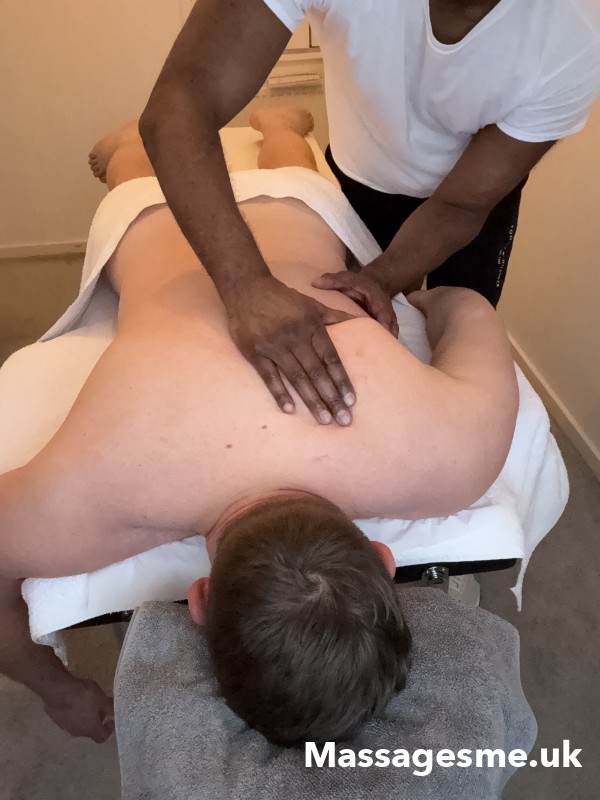
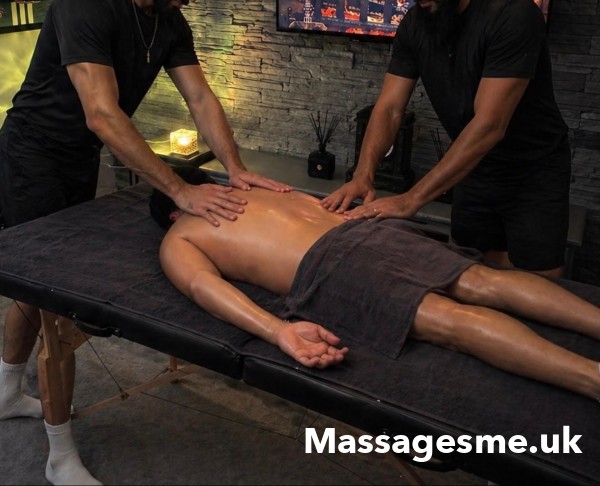
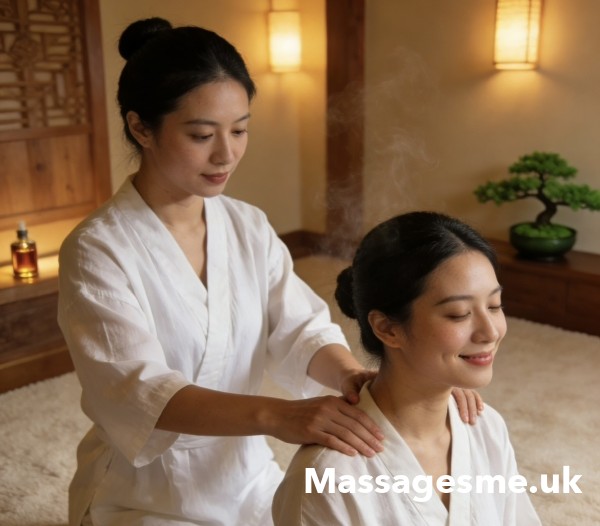
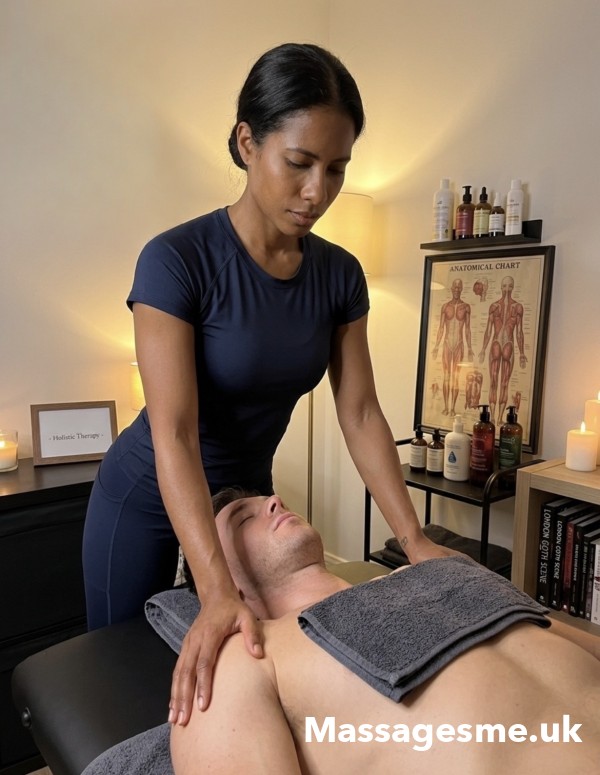
Swedish massage is one of the most widely recognised forms of Western massage, using long gliding strokes, kneading, friction, rhythmic tapping and gentle vibration or shaking techniques. Treatments can range from very gentle relaxation massage to moderately firm full-body work, depending on the therapist and the pressure you prefer.
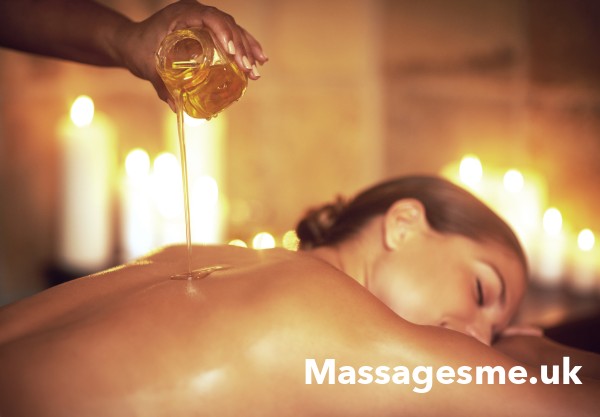
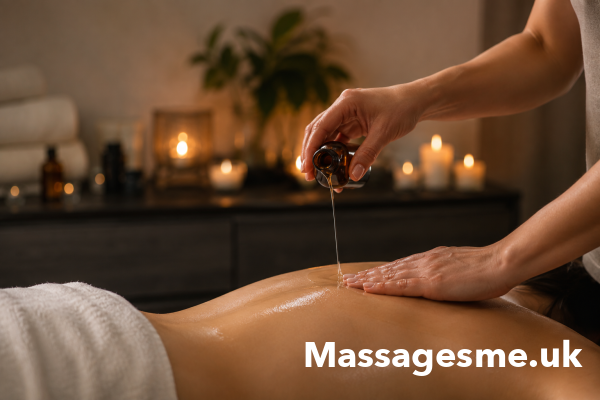
For many people, Swedish massage is a straightforward introduction to professional massage because the techniques are adaptable and easy to understand. A session can cover the whole body or concentrate on areas such as the back, shoulders, neck, and legs, with massage oil or lotion typically used to facilitate smooth movement across the skin.
Swedish massage also forms the practical foundation for many treatments offered in UK spas and massage practices. Relaxing massage, aromatherapy massage and some pregnancy treatments may all incorporate Swedish-style strokes, although each has its own purpose and adaptations.
What Is Swedish Massage?
Swedish massage is a structured massage style built around several manual techniques rather than one single movement. A therapist typically combines long strokes with kneading, circular or focused friction, rhythmic percussion, and lighter finishing techniques, depending on the area being treated.
Although the name suggests a completely Swedish invention, the history is more complicated. Per Henrik Ling's nineteenth-century Swedish movement system influenced the development of physical therapy and gymnastics. At the same time, the French terms commonly associated with classic massage techniques were later popularised through European massage practice. Modern Swedish massage developed gradually rather than being created by one person in exactly the form practised today.
In many European countries, closely related treatments may be described as classical or classic massage. In the UK, "Swedish massage" remains the familiar term used on massage menus and therapist profiles.
Swedish Massage Is More Adaptable Than Its Name Suggests
There is no requirement for every Swedish massage to use the same pressure, sequence or amount of time on each body area. A professional therapist can adapt the classic techniques according to your comfort and what you want from the appointment.
The Five Classic Swedish Massage Techniques
The traditional vocabulary of Swedish massage is useful because it describes different ways the therapist works with the body. You may not hear these French terms during an appointment, but they explain why Swedish massage can feel varied even though the overall session remains smooth and cohesive.
Effleurage
Long, gliding strokes performed with the palms or forearms. Effleurage is commonly used to begin treatment, spread massage oil, transition between techniques, and create a smooth rhythm over larger body areas.
Petrissage
Kneading, lifting and squeezing movements applied to muscular areas. Petrissage generally feels more substantial than gliding strokes and can be adjusted from gentle to moderately firm.
Friction
More focused circular or back-and-forth movements used over selected soft-tissue areas. The therapist should adjust both pressure and duration according to sensitivity.
Tapotement
Rhythmic percussion using movements such as tapping or cupping. It is usually used selectively rather than continuously throughout a relaxation-focused session.
Vibration and Shaking
Vibration involves small oscillating or shaking movements through the therapist's hands. It may be used briefly to vary the sensation of the massage or towards the end of work on a particular area.
Not every therapist gives equal emphasis to all five techniques. A gentle, relaxation-oriented Swedish massage may rely heavily on effleurage and petrissage, while a more invigorating treatment may include additional percussion or firmer friction.
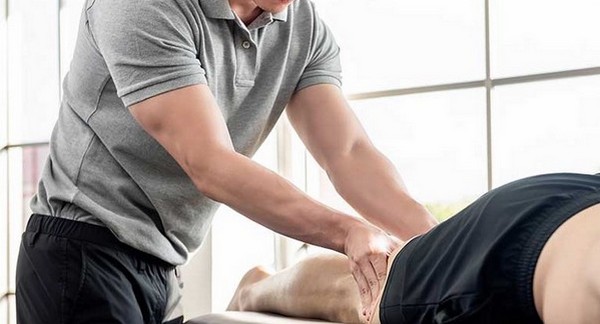
What Happens During a Swedish Massage?
The therapist should begin by asking what you want from the treatment, which areas need attention, how much pressure you prefer and whether there are injuries, health conditions or areas you do not want massaged.
Preparing for Treatment
Swedish massage is usually performed directly on the skin using oil or lotion. You should be given privacy to prepare and remain appropriately draped throughout the appointment, with only the area currently being treated uncovered.
Beginning With Flowing Strokes
The massage often starts with broad effleurage movements. These establish the pace of the treatment and allow both you and the therapist to settle on a comfortable pressure before more focused techniques are introduced.
Kneading and Focused Work
The therapist may then use petrissage and other techniques around larger muscular areas such as the shoulders, back, thighs and calves. If one area feels particularly tight, more time can be spent there without turning the entire appointment into a deep tissue massage.
Finishing the Session
Many therapists return to slower, lighter movements towards the end so the treatment finishes gradually rather than abruptly.
How Long Does Swedish Massage Last?
Common appointment lengths include 60 and 90 minutes, but shorter sessions are also available. A shorter massage may focus mainly on the back, shoulders and neck, while a longer appointment gives more time for comfortable full-body coverage.
What Does Swedish Massage Feel Like?
Swedish massage normally feels smooth and rhythmic. The use of oil allows the therapist to move easily across larger areas, while kneading and more focused techniques create variation in pressure without constantly interrupting the flow of the treatment.
The experience can be very gentle or moderately firm. If you want stronger work around the shoulders but lighter pressure on the legs or feet, the therapist should be able to adapt rather than treating the entire body at one intensity.
Swedish massage should not need to hurt. Firm pressure can feel noticeable around sensitive muscles, but significant pain is not evidence that the treatment is more effective.
Why Do People Choose Swedish Massage?
Swedish massage remains popular partly because it fits many different reasons for booking without being highly specialised. Someone new to massage can choose a gentler option, while another client may request a somewhat firmer treatment around specific muscle areas.
It can be a good option if you:
- want a traditional full-body oil massage;
- prefer flowing movements rather than stationary pressure;
- want light or medium pressure with some flexibility;
- are having a professional massage for the first time;
- want general muscular massage without a sports or rehabilitation focus;
- like massage that combines several techniques in one session;
- want a treatment commonly available from both independent therapists and spas.
Swedish Massage for Relaxation and Everyday Muscle Tension
Relaxation is one of the main reasons people book Swedish massage. The steady pace, repetitive movements, and comfortable physical contact can create a calmer treatment experience, particularly when the pressure is properly matched to the client.
Massage may also feel useful around ordinary muscular tightness in areas such as the shoulders, back and legs. However, Swedish massage should not be presented as a cure for chronic pain, anxiety, depression, high blood pressure or other health conditions simply because some research has reported short-term changes in particular groups.
If pain is severe, persistent, worsening or unexplained, appropriate assessment is more useful than continually increasing massage pressure.
Swedish Massage vs Relaxing Massage
Swedish and relaxing massage overlap considerably, but the terms describe slightly different things.
Swedish massage describes a technique style. Relaxing massage describes the intended character of the session. A relaxing massage may use mostly Swedish techniques without being formally advertised as a Swedish massage.
| Feature | Swedish Massage | Relaxing Massage |
|---|---|---|
| Main definition | A recognised Western massage style | A treatment organised primarily around relaxation |
| Techniques | Effleurage, petrissage, friction, tapotement and vibration | May combine several gentle massage methods |
| Pressure | Light to moderately firm | Usually light to medium |
| Full body | Common but not required | Common but not required |
If the calmest possible session matters more to you than following a particular technique system, gentle relaxing massage focused on comfort and an unhurried treatment may be the better option.
Swedish Massage vs Deep Tissue Massage
The major difference is the typical intensity and focus. Swedish massage usually covers larger areas using a mixture of flowing and kneading techniques, while deep tissue treatment spends more time applying slower, firmer pressure to specific muscle areas.
Swedish massage can still be reasonably firm. You do not necessarily need to choose deep tissue simply because you want medium pressure around the shoulders or back.
If strong targeted work is your main priority, deep tissue massage using slower and more concentrated pressure provides a clearer alternative.
Swedish Massage vs Sports Massage
Sports massage is organised around exercise, training and the body areas most relevant to a person's activity. Pressure can vary considerably depending on whether the treatment is before an event, after exercise or part of ordinary training.
Swedish massage is broader and does not require a sporting objective. It is often the better choice when you want general massage rather than treatment structured around running, gym training or another physical activity.
Swedish Massage and Aromatherapy
Aromatherapy massage frequently uses Swedish-style strokes, which makes these treatments closely related. The difference is that aromatherapy deliberately incorporates diluted essential oils into the experience.
Standard Swedish massage can use a neutral massage oil or lotion without fragrance. This may be preferable if you have sensitive skin or do not want scented products.
If essential oils are part of the experience you specifically want, aromatherapy massage combining flowing techniques with diluted essential oils is the more relevant treatment.
Swedish Massage and Hot Stones
Hot stone massage may also incorporate Swedish-style strokes, but warm stones become an additional treatment tool. The therapist may glide stones across the body or place them temporarily on selected areas.
Swedish massage itself does not require heat. If you want a straightforward hands-on treatment, standard Swedish massage is simpler. If warmth is particularly appealing, hot stone massage creates a noticeably different sensory experience.
Swedish Massage as a Full-Body Treatment
Swedish massage is especially well suited to full-body appointments because the long strokes and varied techniques allow the therapist to move naturally between different areas.
A typical full-body session may include the back, shoulders, arms, hands, legs and feet, with other areas such as the scalp included according to the therapist, available time and your preferences.
There is no universal list of areas that every Swedish therapist must include. If particular coverage matters to you, ask before the treatment begins.
Is Swedish Massage Good for First-Time Clients?
It can be one of the easiest massage styles for a first appointment because both pressure and body coverage are highly adaptable.
You do not need to know technical massage terminology before booking. Telling the therapist that you want gentle, medium or moderately firm pressure and identifying the areas you want treated is usually enough.
A professional therapist should continue checking comfort during the session rather than expecting a first-time client to tolerate unfamiliar pressure without speaking up.
Swedish Massage During Pregnancy
Many pregnancy massage techniques are influenced by Swedish massage, particularly gentle gliding and kneading movements. The important difference is that pregnancy requires adaptations to positioning, pressure and health screening.
A standard Swedish routine should not simply be performed unchanged as pregnancy progresses. Side-lying or supported positioning may be more appropriate, and concerning pregnancy symptoms require maternity advice rather than massage.
If you are pregnant, prenatal massage specifically adapted for pregnancy is a more appropriate treatment category than booking an ordinary Swedish massage without discussing the pregnancy.
Is Swedish Massage Safe?
Swedish massage is generally a comparatively gentle massage style, but the same basic safety considerations that apply to professional massage still matter.
Tell the Therapist Before Treatment If You Have:
- a recent injury, fracture or operation;
- a known or suspected blood clot;
- significant osteoporosis or bone fragility;
- an acute infection, fever or illness;
- open wounds, burns or active skin conditions;
- a condition or medication that increases bruising or bleeding;
- pregnancy or possible pregnancy;
- significant unexplained pain or swelling;
- another health condition that could affect massage pressure or positioning.
Massage should be modified, postponed or avoided when necessary. Persistent or concerning symptoms should receive an appropriate assessment rather than being automatically treated as muscular tension.
How Often Should You Have Swedish Massage?
There is no standard schedule that everyone needs.
Some people book Swedish massage occasionally for relaxation, while others prefer regular appointments because they enjoy the treatment or find it useful as part of their general wellbeing routine.
Weekly, fortnightly or monthly massage should therefore be a personal choice rather than a universal prescription. A therapist should not suggest that you need indefinite treatment simply because muscles will otherwise become unhealthy or full of toxins.
Preparing for a Swedish Massage
Very little preparation is required. The most useful thing you can do is tell the therapist what kind of massage you actually want.
- Explain whether you prefer light, medium or firmer pressure.
- Identify areas where you want more or less attention.
- Tell the therapist about relevant injuries and health conditions.
- Mention allergies or sensitivities to massage oils and lotions.
- Ask which body areas are included if you are booking a full-body session.
- Speak up during treatment if pressure becomes uncomfortable.
You do not need to drink excessive amounts of water before a massage. Normal hydration is sufficient unless you have been given different advice for another health reason.
After a Swedish Massage
Some people feel very relaxed or sleepy afterwards, while others feel comfortable and continue with their normal day.
A little temporary tenderness can occur after a firmer massage, but significant pain or bruising should not be treated as an essential part of Swedish massage.
There is also no need for a special detox routine. Massage does not require large quantities of water to flush toxins released from the muscles.
Can Swedish Massage Be Provided at Home?
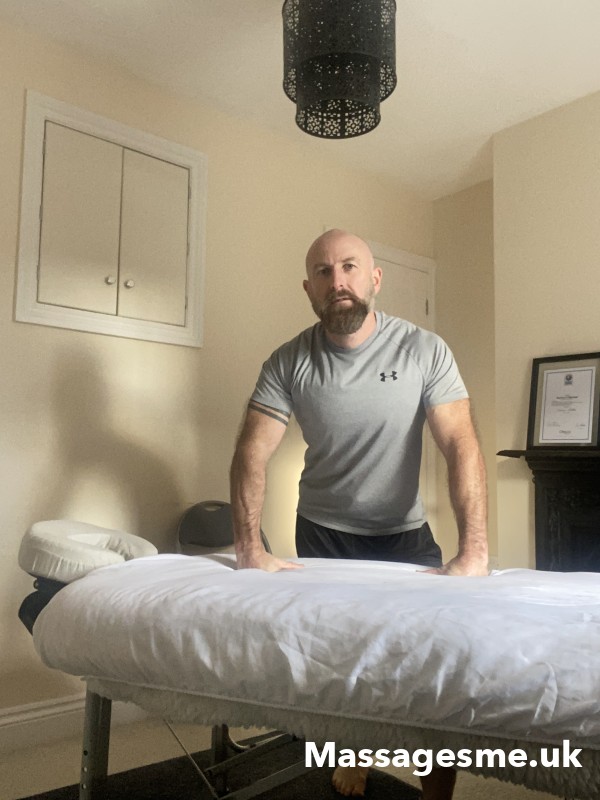
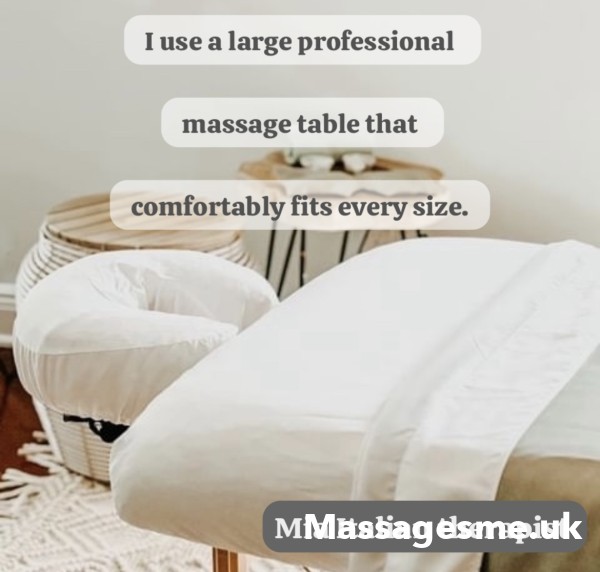
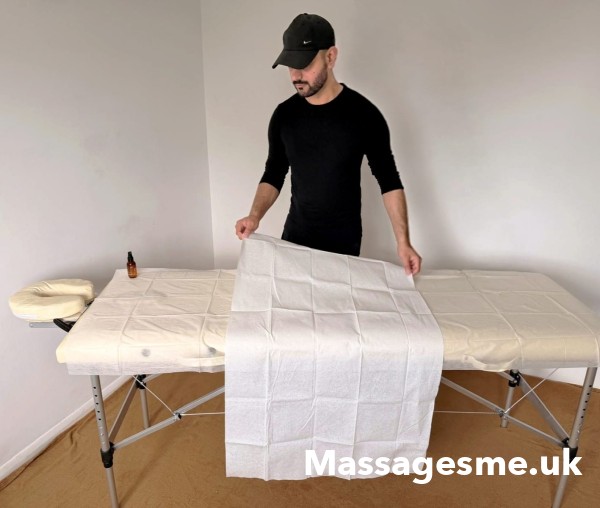
Yes. Swedish massage is particularly suitable for home and hotel appointments because a mobile therapist can provide the treatment using a portable massage table, professional massage products and appropriate towels or covers.
Before booking, check what the therapist brings and make sure there is enough clear space around the massage table for them to work comfortably.
If you would rather relax without travelling to a treatment venue, Massages Me can help you find mobile Swedish massage therapists offering professional home and hotel visits throughout the UK.
Swedish Massage at Spas and Massage Centres
Swedish massage is widely available at spas, massage clinics, wellness centres and independent treatment rooms. Because it is such an adaptable style, it may appear under different names including classic massage, full-body massage or relaxation massage.
If the treatment name is unclear, check the actual description rather than assuming every full-body massage follows Swedish techniques.
For clients who prefer a fixed treatment venue, Massages Me allows you to compare UK spas and massage centres offering Swedish and classic full-body massage.
How Much Does Swedish Massage Cost in the UK?
There is no standard national price for Swedish massage. Fees vary according to session length, location, therapist experience, treatment venue and whether the practitioner travels to you.
| Pricing Factor | Why It Can Affect the Cost |
|---|---|
| Session length | A focused short treatment and a longer full-body massage require different amounts of therapist time. |
| UK location | Professional massage prices vary between London, other major cities and regional areas. |
| Treatment venue | Luxury spas, independent treatment rooms and massage clinics use different pricing structures. |
| Practitioner experience | Qualifications, experience and individual business costs can influence pricing. |
| Mobile appointment | Travel time, parking and distance may affect home and hotel massage fees. |
Choosing a Swedish Massage Therapist
Swedish massage is common, but treatment quality still varies considerably. The therapist should understand the classic techniques while being able to adapt them rather than simply repeating the same routine for every client.
Questions Worth Asking Before Booking
- What massage qualifications do you hold?
- Do you provide light, medium and moderately firm Swedish massage?
- Which areas are included in a full-body treatment?
- Can more time be spent on my back, shoulders or another area?
- Which massage oil or lotion do you use?
- How long is the actual hands-on treatment?
- Do you provide mobile Swedish massage if required?
- Do you hold appropriate professional insurance?
Massages Me lets you compare professional Swedish massage therapists and classic full-body massage services across the UK, review individual treatments and contact providers directly about pressure, prices and availability.
Related Classic and Relaxation Treatments
Finding Swedish Massage Near You in the UK
Swedish massage is widely available from independent therapists, mobile practitioners, spas and massage centres throughout the UK.
When comparing providers, look beyond the treatment name. Check pressure options, which areas are included, appointment duration, therapist qualifications and whether the service is a genuine Swedish treatment or a broader relaxation massage using only some Swedish-style movements.
Looking for Swedish Massage in the UK?
Compare professional Swedish massage therapists, mobile practitioners and treatment venues on Massages Me, then contact providers directly about classic techniques, pressure, appointment lengths, prices and availability near you.