Massage London
Find Massages in London & near you
Finding a professional massage in London can mean anything from booking a therapist close to work in Central London to arranging a treatment at home after a long week. The capital has a huge choice of independent massage therapists, treatment rooms, wellness centres and mobile professionals covering areas from Westminster and Kensington to Canary Wharf, Camden, Greenwich and the outer London boroughs.
The right option depends on what you need from the session. Some people want a relaxing massage after work or while staying in a London hotel. Others are looking for firmer treatment for muscular tension, support around sport and training, or simply a convenient way to make regular massage part of their routine.
Massages Me helps you compare professional therapists and massage services across London and the wider UK. You can find massage therapists near you, review individual profiles and contact providers directly to ask about treatments, availability, location and appointments.
Massage in London for Work, Travel and Everyday Life
London creates its own reasons for wanting a massage. Long journeys on the Underground, hours spent at a desk, commuting with a laptop bag, standing throughout a working day and busy training schedules can all leave people feeling physically tired. Visitors can also spend entire days walking between attractions, shops, restaurants and entertainment venues before returning to their hotel with tired legs and feet.
Massage is therefore used by a broad range of people across the capital. Office workers may book after a demanding week, runners and gym users may prefer treatment around training, and visitors may want time to relax during a busy stay.
There is no single type of London massage that suits everybody. Pressure, technique, session length and the parts of the body receiving the most attention can vary considerably. Looking at the therapist's treatment information before booking is often more useful than choosing purely by price or proximity.
Massage in London at a Glance
- Where: Independent treatment rooms, massage centres, spas, homes, hotels and other suitable locations
- Popular treatments: Swedish, deep tissue, sports, Thai, relaxing and full body massage
- Common session lengths: 30, 45, 60, 90 and 120 minutes depending on the therapist and treatment
- Useful for: Relaxation, muscular tension, general wellbeing and recovery around an active lifestyle
- Booking: Advance appointments are recommended, although some therapists offer same-day availability
- Coverage: Central London and neighbourhoods throughout Greater London
Popular Types of Massage in London
London therapists offer a wide range of techniques, from gentle relaxation treatments to much firmer massage. Understanding the basic differences makes it easier to choose a service that matches what you actually want.
Swedish Massage
A classic choice for people who want a traditional full-body treatment using flowing strokes, kneading and varying levels of pressure. A traditional Swedish massage for relaxation in London can work particularly well when the main aim is to slow down and release everyday tension.
Deep Tissue Massage
Usually chosen when a client prefers firmer pressure or wants more focused attention on areas of muscular tightness. Deep tissue massage for persistent muscular tension may concentrate more closely on areas such as the shoulders, back, hips and legs.
Sports Massage
Sports massage is not limited to professional athletes. Runners, cyclists, gym users, and other active people may choose sports massage in London for training and recovery as part of their broader approach to exercise and physical maintenance.
Thai Massage
Thai massage can involve compression, pressure and assisted stretching rather than following the format of a conventional oil massage. People looking for a more active treatment may prefer traditional Thai massage with stretching and pressure techniques.
Other choices include aromatherapy, hot stone massage, reflexology, Indian head massage, lymphatic drainage and treatments concentrating on particular areas of the body. The best choice depends on your reason for booking, preferred pressure and any relevant health considerations.
Where to Find Massage Across London
London does not have one central massage district. Therapists and treatment venues are spread across the capital, so the most convenient location will usually depend on where you live, work, or are staying.
Central London and the West End
Westminster, Soho, Covent Garden, Fitzrovia, Marylebone and Mayfair are particularly convenient for people working or staying in Central London. These areas have a mix of independent practitioners, beauty and wellness businesses, hotels and larger treatment venues.
Central locations can be useful when fitting an appointment around office hours, shopping, sightseeing or an evening in the West End. They can also command higher prices because commercial rents and operating costs are considerably higher than in many outer London neighbourhoods.
The City and Canary Wharf
The City of London and Canary Wharf have large working populations, particularly during the week. Desk work, long meetings, and commuting make back, neck, and shoulder tension common reasons for professionals to book a massage.
Some clients prefer an appointment close to the office before travelling home, while others arrange an evening mobile massage after their commute. Availability can vary considerably between weekdays and weekends in business districts, so checking the therapist's hours is worthwhile.
West London
Kensington, Chelsea, Hammersmith, Fulham, Notting Hill, Paddington and surrounding neighbourhoods offer a broad mix of massage options. The concentration of hotels around Paddington, Kensington and neighbouring areas also means that some therapists are accustomed to appointments from visitors staying in London.
If you are booking a hotel massage, check whether the therapist accepts hotel visits and whether reception allows external service providers to access guest rooms. Larger hotels can have different visitor procedures from smaller properties.
North London
Camden, Islington, Hampstead, Highgate, Finchley and neighbouring areas have numerous independent therapists and smaller wellness businesses alongside residential demand.
For people working from home, commuting into Central London or looking for an appointment closer to where they live, a local therapist can often be more practical than travelling into Zone 1 simply for a massage.
South London
Areas such as Clapham, Brixton, Battersea, Wimbledon, Greenwich, Dulwich and Croydon provide plenty of choice outside Central London. Clients may find independent therapists working from treatment rooms as well as professionals offering appointments at the client's home.
South London covers a very large area, so travel time matters. A therapist who describes themselves as covering South London may not necessarily travel to every postcode.
East London
Shoreditch, Stratford, Hackney, Bethnal Green, Canary Wharf and surrounding East London areas combine residential communities with major employment and entertainment districts.
People working around Liverpool Street, Old Street or Canary Wharf may prioritise appointments close to work. At the same time, clients further east may find a local therapist or mobile service more convenient.
Mobile Massage in London
Travelling across London can easily add an hour or more to an appointment, particularly at busy times. That is one reason many clients prefer to book professional mobile massage in London at home or in a hotel, allowing the therapist to travel to them instead.
You can compare professionals providing mobile massage treatments at home or in London hotels where this service is listed on the therapist's profile.
A mobile appointment can be particularly convenient for people working from home, parents with limited free time, clients who would rather avoid another journey after work and visitors who want a treatment without leaving their accommodation.
Before booking a mobile therapist
- Confirm that your postcode is within the therapist's travel area.
- Ask whether any additional travel charge applies.
- Check whether the therapist brings a massage table or requires suitable space to be available.
- If staying in a hotel, confirm the hotel's visitor policy before the appointment.
- Allow enough space and privacy for the treatment to take place comfortably.
London travel times can change dramatically depending on the hour, transport disruptions and the distance between appointments. Giving the therapist the correct postcode before confirming the booking helps them estimate travel accurately.
Massage Centres, Treatment Rooms and Spas in London
Not everybody wants a treatment at home. Some clients prefer to leave their usual environment and visit a dedicated treatment space.
London has everything from individual therapists renting private treatment rooms to neighbourhood massage centres, health clinics, hotel spas and larger wellness facilities. You can also compare spas and massage centres near your location when you would rather visit a venue than arrange a mobile appointment.
A private treatment room can offer a straightforward one-to-one appointment, while a larger spa may provide changing areas, showers, relaxation facilities or additional wellness services. These differences are worth considering because the most expensive venue is not automatically the most suitable for every client.
If the massage itself matters more than additional facilities, an experienced independent therapist may offer exactly what you need without the cost associated with a luxury spa environment.
Full Body Massage or a More Focused Treatment?
A common booking question is whether to choose a general full-body session or ask the therapist to concentrate on one or two areas.
A full body massage for overall relaxation and wellbeing normally divides the available time between several areas. Depending on the treatment and your preferences, this may include the back, shoulders, legs, arms, feet and neck.
If one area is causing most of the discomfort, using the whole appointment for a general treatment may not be the best use of time. Someone with particularly tight shoulders after prolonged desk work, for example, might benefit more from asking the therapist to devote additional time to the upper back and surrounding muscles.
Tell the therapist what you want before the session starts. A professional treatment should be adaptable rather than following the same sequence for every client.
How Long Should a Massage Session Be?
Session length depends on what you want to achieve and the type of treatment being booked.
- 30 minutes: Useful for a targeted area such as the back, shoulders, neck, legs or feet.
- 45 minutes: Allows slightly broader treatment while still keeping a clear focus.
- 60 minutes: One of the most common choices and suitable for many full-body or focused treatments.
- 90 minutes: Gives more time for detailed work or a slower full-body session.
- 120 minutes: Offered by some therapists for clients wanting an extended treatment without rushing individual areas.
If you are unsure, ask the therapist whether your preferred treatment and areas of focus can realistically be covered within the time you are considering.
How Much Does a Massage Cost in London?
Massage prices in London vary widely. Location, session length, therapist experience, treatment type, travel requirements and the type of venue can all influence the final price.
Central London appointments are often more expensive than equivalent treatments in outer boroughs, particularly where a therapist works from premium commercial premises. Hotel spas and luxury wellness venues can sit at the upper end of the market, while independent therapists may operate with very different pricing structures.
What can affect the price?
- The length of the appointment
- The treatment being provided
- The therapist's qualifications and experience
- Central or outer London location
- Mobile travel distance
- Hotel or premium venue charges
- Evening, weekend or short-notice availability
Rather than assuming that a higher price guarantees a better massage, compare what is actually included. Read the therapist's profile, check the stated treatment time and ask about any additional charges before confirming the booking.
Massage for London Office Workers
Working at a computer for much of the day can leave the upper body feeling stiff, particularly when working in the same position for long periods. London commuting can add to this through time spent sitting on trains or carrying bags between home and work.
Massage may help people relax and can provide temporary relief from everyday muscular tightness. It should not, however, be treated as a substitute for medical assessment where pain is severe, persistent, unexplained or associated with injury.
People booking specifically because of desk-related tension should explain where they feel it and how long it has been present. This allows the therapist to decide whether their treatment is appropriate and how the session should be structured.
Massage for Runners, Gym Users and Active Londoners
London has an enormous fitness community, from people training in local gyms to runners preparing for races and cyclists travelling across the city.
Active clients often choose massage because they enjoy the feeling of muscular relaxation or want it as part of their recovery routine. The timing and intensity of treatment may differ depending on whether someone is between ordinary training sessions, preparing for an event or recovering after particularly demanding exercise.
Tell the therapist about recent activity, injuries and areas that feel unusually sore. If you have a diagnosed injury, are recovering from surgery or have symptoms that require clinical assessment, seek appropriate medical or physiotherapy advice rather than expecting massage alone to resolve the problem.
Booking Massage While Visiting London
Visitors often fit massage around sightseeing, business meetings, shopping or theatre plans. Location becomes especially important because a short distance on the map can still involve a lengthy journey across London.
If you are staying in a hotel, looking within the same neighbourhood can make the appointment easier. Someone staying near Paddington, for example, may prefer a therapist based in West London rather than travelling across the city after a full day out.
For mobile hotel appointments, provide the hotel name and postcode and check whether visitors must be signed in at reception. Do not assume every hotel follows the same procedure.
Choosing a Professional Massage Therapist in London
London has a large number of therapists, so comparing profiles carefully can make a significant difference to the booking experience.
Start by looking at the treatments the therapist actually offers. Someone specialising in relaxation massage may not be the right choice if you specifically want sports-focused work, while a practitioner offering very firm techniques may not suit somebody looking for a gentle session.
Things to check before booking
- Treatment information: Make sure the service you want is clearly offered.
- Location: Confirm the treatment address or mobile coverage area.
- Availability: Check working days and appointment hours.
- Session duration: Confirm how much treatment time is included.
- Price: Ask about the complete cost, including travel where relevant.
- Qualifications: Look for appropriate training for the service being provided.
- Health information: Tell the therapist about relevant injuries, medical conditions, pregnancy or recent procedures before treatment.
Professional communication before the appointment is also useful. A therapist should be able to explain what the treatment involves, answer reasonable questions and tell you when their service may not be appropriate.
If you would like to explore the subject in more detail, read our guide to finding a professional massage therapist in London. It covers treatment choices, typical London prices, mobile massage, qualifications, professional standards and practical points to consider before booking.
When Massage May Not Be Appropriate
Massage is generally used for relaxation, wellbeing and muscular comfort, but there are circumstances where treatment may need to be changed, postponed or avoided.
Tell the therapist before your appointment if you have a recent injury, unexplained swelling, fever, infection, significant bruising, recent surgery, a blood clotting condition or another health issue that could affect treatment. Pregnancy and some medical conditions can also require modifications.
If you have persistent pain, neurological symptoms, significant swelling or a condition that has not been assessed, speak to an appropriate healthcare professional. A massage therapist should not diagnose a medical condition unless they are separately qualified to do so.
Getting More From Your London Massage
A little preparation can make the session easier for both you and the therapist. Arrive on time for a venue appointment, or make sure the treatment area is ready if the therapist is travelling to you.
Explain your preferred pressure rather than assuming the therapist will know automatically. Firm pressure is not necessarily better, and a relaxing massage should not become uncomfortable simply because you feel you should tolerate it.
During the treatment, say something if the pressure, position, temperature or technique is uncomfortable. Clear communication gives the therapist the chance to adjust the session.
Afterwards, allow yourself a little time before returning immediately to a demanding schedule where possible. Some people feel relaxed after massage, while others notice temporary tenderness after firmer work.
Finding the Right Massage in London
London offers more massage choices than most UK cities, but that does not mean the nearest or most expensive provider will automatically be the right one. Start with what you want from the appointment, then compare therapists based on treatment style, location, experience, availability, and price.
Someone wanting an hour of quiet relaxation after work may make a very different choice from a runner looking for focused treatment or a visitor arranging a massage at a Central London hotel.
Massages Me brings professional London massage listings together in one place so you can compare those differences before making contact. Check each profile carefully, ask any relevant questions and choose a treatment that fits your needs rather than simply selecting the first available appointment.
Nearby locations
Cheap, Bassishaw, Bread Street, Vintry, Cornhill, Coleman Street, Queenhithe, Broad Street, Langbourn, Barbican, Castlebaynard, Bridge and Bridge without, Lime Street, Farringdon, Billingsgate, Blackfriars, Bankside, Aldgate, Tower, Farringdon
Types of Massage
Back Massage, Sports Massage, Full Body Massage, Hot Stone Massage, 4 Hands Massage, Ayurvedic Massage

Newly Qualified Male Therapist...

NEW! Best Professional Massage In Central London...


Elena Massage Shoreditch...

Zara Massage Shoreditch...




Vivian Mobile Massage Therapy In London...
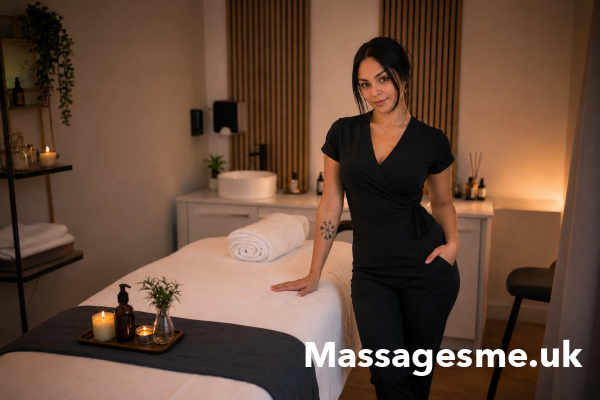
Aluna Massage & Body Therapy...


Search all near London
Advertise with Massages Me and Grow Your Business!
We are the leading massage platform for massage therapists in London and across the UK covering all of England, Scotland, Wales and Northern Ireland. Our aim is to promote individual therapists and venues in the UK, and help professional and casual body workers providing therapeutic and relaxing massages to expand their businesses and build desirable client base.
We provide a friendly and reliable online advertising platform for qualified Masseuses, students, and salons to connect with potential clients looking for relaxing and therapeutic massages - onsite and offsite mobile services across the UK.
Are you looking to meet more customers? Get your profile listed and start getting bookings today!