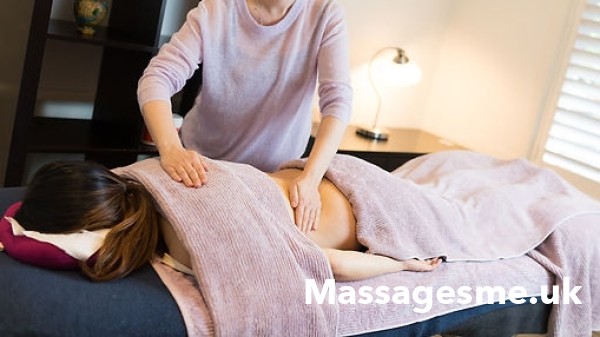
Chinese massage, commonly known as Tui Na or Tuina, is a traditional Chinese bodywork style that combines pressing, pushing, kneading, rolling, grasping and other manual techniques. Unlike a typical oil-based relaxation massage, Tui Na may be performed through clothing and can include focused pressure, joint movement, and work on specific areas of the body.
The treatment is closely associated with Traditional Chinese Medicine, where practitioners may explain techniques using concepts such as qi, meridians and acupoints. These form part of the traditional framework of Tui Na rather than established anatomical structures in conventional medicine.
For clients, the practical difference is easier to understand: Chinese massage can feel more active, structured and varied than Swedish massage. A therapist may move quickly between broad rubbing, rhythmic rolling, thumb pressure, compression and gentle mobilisation rather than using continuous flowing strokes throughout the appointment.
What Is Chinese Tui Na Massage?
Tui Na is a form of Chinese manual bodywork. The name is commonly translated from two characteristic actions: tui, meaning to push, and na, meaning to grasp or lift.
Those two movements are only part of the treatment. A practitioner may also use pressing, rolling, rubbing, kneading, shaking, compression and supported joint movement during the same session.
This variety makes Tui Na difficult to describe as simply a relaxing massage or a deep tissue treatment. Some sessions are relatively gentle, while others can be brisk and firm.
Chinese Massage and Tui Na
"Chinese massage" is a broad term and may be used by different providers to refer to several massage approaches. If you specifically want traditional Tui Na, check that the therapist actually offers Tui Na rather than a conventional oil massage provided at a Chinese massage centre.
How Is Tui Na Connected to Traditional Chinese Medicine?
Tui Na developed within the wider Traditional Chinese Medicine system. Practitioners trained in that tradition may refer to meridians, acupoints and the movement of qi when selecting techniques and areas of focus.
Traditional theory also uses broader concepts such as yin and yang when describing balance within the body.
These concepts are important for understanding the historical and traditional context of Tui Na, but they should not be presented as scientifically established anatomical pathways or as a way to diagnose medical disease through massage alone.
What Happens During a Chinese Massage?
The appointment should normally begin with a discussion about what you want from the treatment, areas you would like the therapist to focus on and relevant injuries or health concerns.
The exact format varies considerably between practitioners.
Clothed or Oil-Based Treatment
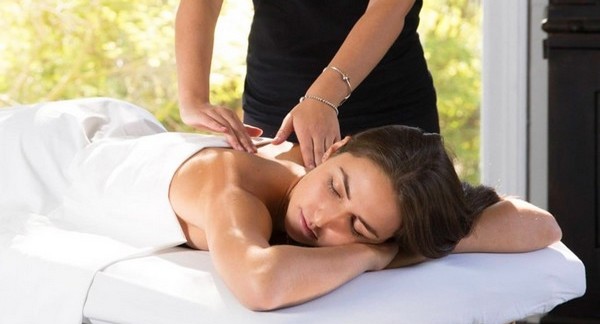
Traditional Tui Na is often performed through light clothing or with a cloth between therapist and client. This allows the practitioner to use pushing, grasping and movement-based techniques without relying on massage oil.
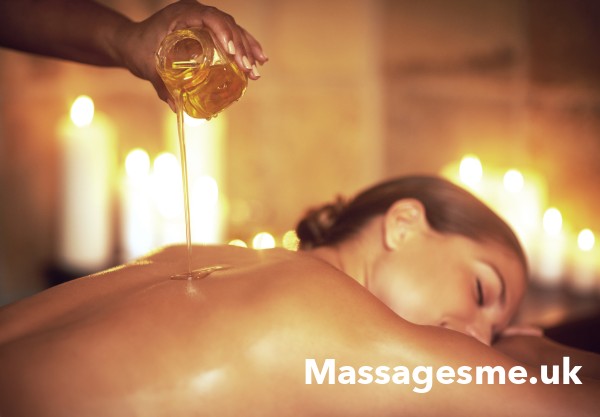
Some modern Chinese massage providers also incorporate oil-based work, particularly when combining Tui Na techniques with a more conventional massage.
Positioning
You may lie face down or face up on a massage table, sit for particular techniques or change position during the session.
The therapist may also move an arm, leg or joint through a comfortable range where mobilisation forms part of their treatment.
Pressure
Tui Na can range from relatively light to quite firm. Some techniques are applied rapidly or repeatedly, while others involve sustained pressure.
Pressure should remain appropriate for you. Tell the therapist if anything feels excessively painful, sharp or uncomfortable.
How Long Does Chinese Massage Last?
Tui Na sessions vary in length. A focused treatment may be relatively short, while broader appointments commonly last around 60 minutes or longer. Check whether the provider offers full-body Tui Na or a treatment concentrated on selected areas.
Techniques Used in Tui Na Massage
One of the defining characteristics of Tui Na is its wide vocabulary of manual techniques. Different practitioners may emphasise different methods depending on their training.
Pushing
The therapist uses the fingers, palm or another part of the hand to apply repeated directional movements across an area.
Grasping
Soft tissue may be gently lifted, squeezed and released using the fingers and hand.
Rolling
Rhythmic rolling movements can be applied using the back or side of the hand across larger muscular areas.
Pressing
Thumbs, fingers or palms may apply focused pressure to selected areas or traditional acupoints.
Kneading and Rubbing
Tui Na can include kneading similar to other massage traditions, alongside brisker rubbing or circular movements.
These techniques can make the session feel more dynamic than a massage based mainly on long gliding strokes.
Compression and Rhythmic Techniques
Broader compression may be applied using the palm or other parts of the hand. Some practitioners also incorporate shaking, vibration or light percussion.
Joint Movement and Stretching
Depending on the practitioner's training, Tui Na may include gentle mobilisation or supported movement around areas such as the shoulders, wrists, hips, knees or ankles.
These movements should remain controlled and within a comfortable range rather than being forced.
What Does Tui Na Massage Feel Like?
Tui Na often feels more varied and rhythmic than a Western relaxation massage.
The therapist might use rapid rolling over one area, follow it with focused thumb pressure and then move a nearby joint before returning to broader massage.
Some clients enjoy this variety because the treatment feels active and purposeful. Others who primarily want to switch off may prefer slower Swedish or relaxing massage.
Is Chinese Massage Painful?
Tui Na can involve relatively firm pressure, but it should not need to be excruciating.
Traditional or firm techniques sometimes produce a strong pressure sensation, particularly around areas that already feel sensitive. That does not mean severe pain is necessary or desirable.
Ask for less pressure if the massage becomes too intense. A professional therapist should be willing to adapt rather than insisting that pain proves the technique is working.
Why Do People Choose Chinese Massage?
People choose Tui Na for different reasons, including an interest in Traditional Chinese Medicine, a preference for pressure-based bodywork, or simply wanting something different from an oil-based relaxation massage.
It may particularly appeal if you:
- enjoy firm or focused manual pressure;
- prefer massage that can be performed through clothing;
- like varied techniques rather than continuous flowing strokes;
- want some joint movement or stretching within the session;
- are interested in traditional Chinese bodywork;
- prefer manual acupoint work without acupuncture needles.
Tui Na should still be treated as complementary bodywork rather than a substitute for diagnosis or necessary medical treatment.
Chinese Massage vs Acupressure
Acupressure and Tui Na overlap, but they are not identical.
Acupressure massage focuses particularly on targeted manual pressure at selected points.
Tui Na is broader. It may include acupressure alongside rolling, pushing, grasping, kneading, rubbing, compression and joint movement.
This makes acupressure one technique or influence that may appear within a Tui Na treatment rather than another name for the complete massage style.
Chinese Massage vs Acupuncture
Both are associated with Traditional Chinese Medicine, but the practical difference is substantial.
Tui Na is performed manually. Acupuncture uses fine needles inserted at selected points.
Some Traditional Chinese Medicine clinics offer both treatments, but being trained in Chinese massage does not automatically qualify someone to practise acupuncture.
Chinese Massage vs Swedish Massage
| Feature | Chinese Tui Na | Swedish Massage |
|---|---|---|
| Main approach | Varied manual techniques influenced by Traditional Chinese Medicine | Western massage using flowing and kneading techniques |
| Oil | Often performed without oil | Usually performed with oil or lotion |
| Clothing | May remain on | Treatment areas are usually uncovered and professionally draped |
| Pressure | Variable and often focused | Light to firm depending on preference |
| Joint movement | May form part of the treatment | Usually a smaller part of the session |
| Traditional framework | May use meridian and acupoint concepts | Does not use Traditional Chinese Medicine theory |
If your priority is slower, flowing oil massage, Swedish full-body massage with adjustable pressure may be a better match.
Chinese Massage vs Deep Tissue Massage
Tui Na can be firm, but firm Chinese massage is not automatically deep tissue massage.
Deep tissue massage generally uses slower, targeted pressure based around deeper muscular and connective tissues. Tui Na draws on a much wider collection of manipulations and may move more quickly between techniques.
If you specifically want sustained firm work on particular muscle groups, deep tissue massage may offer a more predictable treatment format.
Tui Na and Cupping
Chinese medicine practices may offer Tui Na alongside other traditional treatments such as cupping.
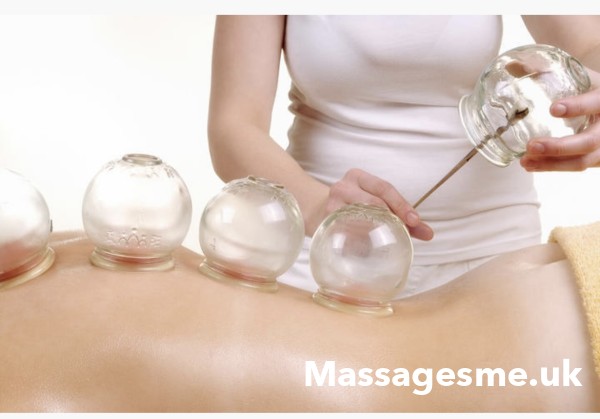
Cupping uses suction rather than manual pressure and may leave temporary circular marks on the skin. It should be treated as a separate technique rather than an automatic part of every Chinese massage.
If this combination interests you, compare Tui Na with traditional cupping therapy and massage before booking.
What Should You Wear for Chinese Massage?
If the practitioner provides clothed Tui Na, loose and flexible clothing is usually the most practical choice.
Avoid very thick fabrics or restrictive clothing that makes movement difficult. Some providers may supply suitable treatment clothing.
If oil-based massage forms part of the appointment, professional draping should be used in the same way as with other massage treatments.
Can Chinese Massage Be Provided at Home?
Tui Na can be particularly suitable for mobile treatment because traditional versions may require relatively little equipment and can often be performed through clothing.
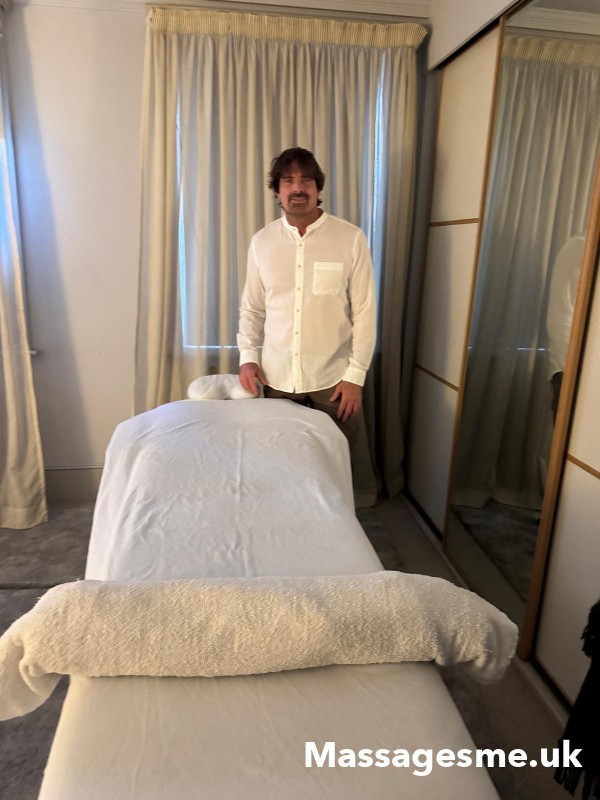
A therapist may still bring a portable massage table or other equipment depending on their approach.
Massages Me can help you find mobile Chinese massage and Tui Na therapists providing home visits across the UK and contact them about treatment style, equipment and travel areas.
Chinese Massage at TCM Clinics and Massage Centres
Chinese massage is commonly available at dedicated massage centres and Traditional Chinese Medicine practices.
One advantage of a specialist venue is that it may offer related services such as acupuncture, acupressure or cupping as separate treatments.
However, the name of the venue alone does not tell you how a particular practitioner is trained. Ask specifically whether they provide Tui Na and what their treatment involves.
You can browse UK massage centres, wellness venues and spas offering Chinese massage treatments and compare services before arranging an appointment.
How Much Does Chinese Massage Cost in the UK?
There is no standard national price for Tui Na or Chinese massage.
Fees vary according to location, appointment duration, therapist experience, treatment setting and whether the practitioner travels to you.
| Pricing Factor | Why It Matters |
|---|---|
| Session length | Focused treatments and longer appointments have different pricing. |
| Practitioner training | Specialist Tui Na or broader Traditional Chinese Medicine training may influence fees. |
| UK location | Massage prices differ between London, larger cities and regional areas. |
| Treatment setting | Dedicated TCM clinics, massage centres and independent practitioners may charge differently. |
| Mobile appointment | Travel time, distance and parking may affect home-visit pricing. |
Is Chinese Massage Safe?
Tui Na is suitable for many people, but vigorous pressure, joint movement and other techniques are not appropriate in every situation.
The practitioner should adapt the treatment according to your health information rather than applying the same routine to everybody.
Tell the Practitioner Before Treatment If You Have:
- a recent fracture, significant injury or operation;
- significant osteoporosis or bone fragility;
- a history of blood clots or relevant circulation problems;
- open wounds, significant bruising or active skin conditions;
- an acute infection, fever or illness;
- pregnancy or possible pregnancy;
- a condition affecting sensation, mobility or joint stability;
- persistent, severe or unexplained pain.
If a symptom requires medical assessment, Chinese massage should not be used as a substitute for appropriate healthcare.
Chinese Massage During Pregnancy
Pregnancy requires additional consideration because some Tui Na techniques involve firm pressure or movement and traditional practice identifies certain acupoints as unsuitable during pregnancy.
Tell the therapist before booking and choose a practitioner with appropriate pregnancy massage experience if Tui Na is being considered.
If your pregnancy is high risk or complicated, ask an appropriate healthcare professional whether massage is suitable before making an appointment.
How Often Should You Have Tui Na Massage?
There is no universal treatment schedule.
Some people book Chinese massage occasionally because they enjoy the treatment, while others prefer more regular sessions as part of their general wellbeing routine.
A practitioner should not pressure you into a fixed course of appointments by claiming that a specific number is necessary to correct an unverified internal imbalance.
Frequency should reflect your preferences, budget, response to treatment and any appropriate professional advice relevant to your circumstances.
Choosing a Chinese Massage Therapist
The term "Chinese massage" can describe quite different treatments, so practitioner selection matters.
Questions Worth Asking
- Do you specifically provide Tui Na massage?
- What Tui Na or Chinese massage training have you completed?
- Is the treatment performed through clothing or with oil?
- How firm is the pressure normally used?
- Do you include stretching or joint mobilisation?
- Is acupressure part of the treatment?
- How long is the actual massage?
- Do you hold appropriate professional insurance?
Massages Me allows you to compare Chinese massage and Tui Na practitioners offering professional treatments throughout the UK, review individual services and contact providers directly before booking.
Preparing for a Tui Na Massage
Preparation depends mainly on whether the treatment is clothed or oil-based.
- Wear loose, comfortable clothing if the massage will be performed clothed.
- Tell the practitioner about relevant injuries and health conditions.
- Explain whether you prefer gentle, medium or firm pressure.
- Mention areas you do not want moved or stretched.
- Tell the therapist immediately if a technique causes sharp pain or discomfort.
After an uncomplicated session, there is usually no need for special detoxification routines or strict aftercare rules. Continue your normal activities according to how you feel.
Related Traditional and Pressure-Based Treatments
Finding Chinese Tui Na Massage Near You in the UK
Chinese massage is widely available in the UK, particularly in larger towns and cities, but not every service advertised under that name is traditional Tui Na.
Before booking, check whether the practitioner provides authentic Tui Na techniques, whether the treatment is clothed or oil-based, what pressure is used and whether joint movement or acupressure forms part of the session.
Choosing according to the actual treatment description is more useful than relying on the words "Chinese massage" alone.
Looking for Chinese Massage or Tui Na in the UK?
Compare professional massage practitioners, home-visit providers and treatment venues on Massages Me, then contact therapists directly about Tui Na techniques, pressure, clothing, appointment lengths and availability near you.